VLADIMIR DUTHIERS:
00:04:38
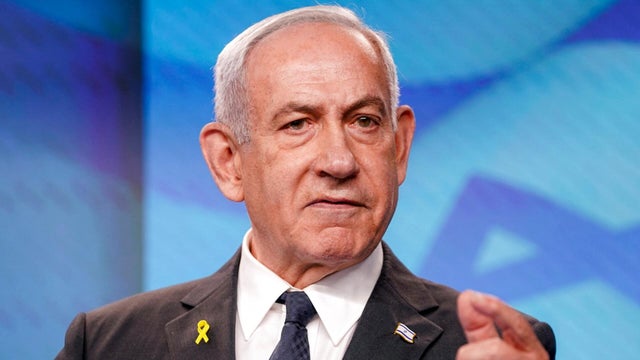
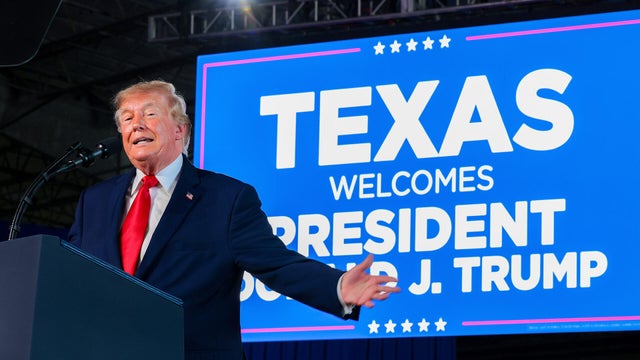
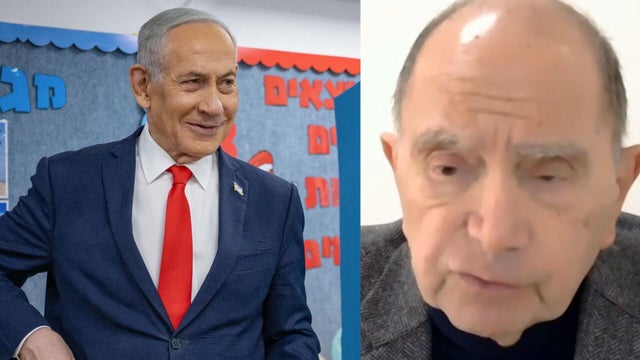
Yeah. And finally, Haley, before I let you go, one quick question. People are asking me-- we know that there are some 48 hostages still in captivity. We know that 20 are still alive. They'll be released, as you say, in the next 72 hours. People are wondering why those who are not are also not going to be released within that same time frame. Can you explain that? I mean, there's an issue as well with just locating and preparing people's remains. There's also a sense of a hostage that is alive, there would probably, perhaps, be more of an awareness of their location, and so it would be easier to bring all those people together and to get them all out in one go. And because they are still living, there's an urgency there. Obviously, it's still very important that the remains of the hostages still be brought out, but that just may take more time just because of how intense this conflict has been and getting together those remains and preparing to send them home. Yeah, 734 days of conflict, and, finally, there is light at the end of the tunnel. Haley, thank you very much. As always, my friend, stay safe. We appreciate you. All right, for more on this, let's bring in CBS News correspondent Natalie Brand, who is at the White House. Of course, we know now, Natalie, that the president is headed to the Middle East on Sunday. Walk us through what will happen when he does travel, and just break down the involvement that the president personally had in securing this deal. We know, of course, that his son-in-law, Jared Kushner, and the Middle East envoy, Steve Witkoff, played a huge role, but I'm also seeing reports that the president himself was able to wrangle all the parties to get them to this point. Yeah, Vlad, well, to begin with that travel, the president is expected to visit Egypt and Israel. He said that he wants to be there, hopes to be there as hostages start getting released. We also know that he's going to be in attendance for a ceremonial signing of this peace deal that he and his team helped to broker, and he's been invited to address Israel's parliament, the Knesset. And, as well, hostage families have said that they want to meet with him. To give some more background on how this all kind of unfolded, senior administration officials talking about the closeness of the relationship between President Trump and Israeli Prime Minister Benjamin Netanyahu but also all the Arab partners as well who helped play a role in this. And you mentioned Jared Kushner. He became a top negotiator in this, along with Middle East Special Envoy Steve Witkoff. They actually gave the presentation to Israel's cabinet before this deal was approved. And you may remember during the first Trump administration, Kushner served as a Mideast advisor and really helped to negotiate the Abraham Accords, which sought to try to normalize relationships between Israel and several Arab states. So this has kind of been years in the making for Kushner and others within President Trump's team here. But all kind of came to a head with different events happening. The timing right for a deal to be brokered. And just to give you a sense of how important it is for the White House that this plays out as planned, this phase one, we've learned that 200 US personnel with CENTCOM will be on the ground helping to monitor implementation, Vlad.