VLADIMIR DUTHIERS:
00:00:54
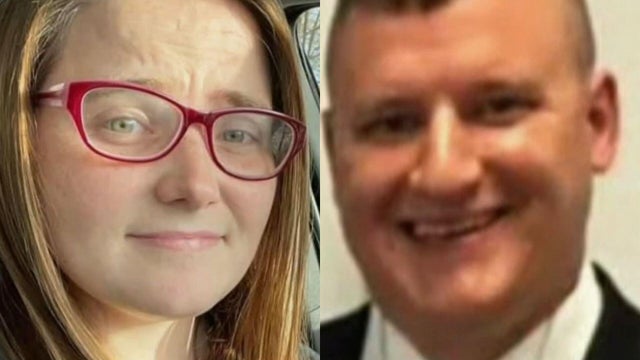
Didn't I see a report from Lana Zak where she interviewed the man who was responsible for transferring prisoners to ICE say to her that in every situation where they have asked him to do so, he has done it, and in situations where they haven't even asked him to do it, he's transferred those prisoners? Yes and no. The state did cooperate with ICE previously on transferring serious offenders to ICE who are also in the country illegally, but the cooperation between the counties at the more local level variated by different degrees. And so some counties did not cooperate with ICE. Now, Homan is saying that because of increased cooperation, that massive federal force that has garnered a lot of controversy, domestically and globally, can now withdraw and return to their respective sectors. Let's take a listen to what he said this morning. I'm also pleased to report that we're seeing a notable decrease in unlawful agitator activity here in Minneapolis and overall throughout the state. With that and success that has been made arresting public safety threats and other priorities since the surge operation began, as well as the unprecedented levels of coordination we have obtained from state officials and local law enforcement, I have proposed, and President Trump has concurred, that this surge operation conclude. We have to underscore, guys, that this amounts to a rare concession on its signature immigration policy by the Trump administration. In many ways, it amounts to a recognition that the federal immigration operation in Minneapolis and the controversy that it was garnering was becoming too politically toxic for the administration, especially after the killings of Renee Good and Alex Pretti, the two residents there who were killed by ICE and Border Patrol, respectively. So it is a significant concession. We'll see now if the administration tries to expand that crackdown to other places across the country. So Homan is saying this is over in Minnesota but that some ICE agents will actually still stay. How is that going to work? It's a good question. And, historically, ICE has operated in every single jurisdiction and state across the continental US and Alaska and Hawaii, so that's not changing. That's not necessarily new. There's an ICE field office in St. Paul that will continue to conduct regular immigration operations. What Homan is saying is that the administration will now try to prioritize people who are here illegally but who also have committed heinous and violent offenses, though our own reporting has shown that the people who have been arrested by ICE, for the most part, do not have violent criminal records. So we'll see how the actual pivot materializes, but Homan is striking a different tune, at least for now. So, Camilo, what is your understanding of how ICE decides which states, which communities and cities that they will target? Because we've seen operations in Chicago. We've seen them in California. We've seen them in Minneapolis. Haven't seen that many in Texas. Haven't seen that many in Florida or Arizona or Georgia or North Carolina, South Carolina, Tennessee, Oklahoma. Why are there no operations in those states? It's a good question. Local officials in those Democratic-- By the way, Texas, as you know, has the second-highest immigrant population after California. And I'm not saying that they should be targeted at all. I'm just trying to understand. And Florida is another state with a large people-- population, rather, of people who are in the country illegally. What the administration would say is that states like Florida, controlled by Republicans, cooperate with ICE and Border Patrol and that many county and local law-enforcement officials are actually deputized to enforce federal immigration law and are actively working with ICE and Border Patrol to help them, so they do not need to surge operations in those states. What local officials in places like Chicago, Charlotte, New Orleans, Los Angeles and now Minneapolis-- Memphis, I should point out, is in Tennessee, but there was an operation that you covered in Memphis. Yes. They would say that they're being targeted politically, that the administration is weaponizing and politicizing immigration enforcement specifically to punish states that, obviously, do not agree with the administration's immigration agenda.
SHANELLE KAUL:
00:04:45
Camilo, thank you so much.
VLADIMIR DUTHIERS:
00:04:47
Always great to have you, my friend. Thank you.