LINDSEY REISER:
00:00:00
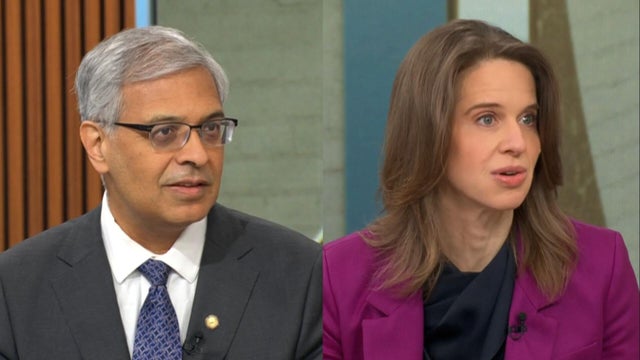
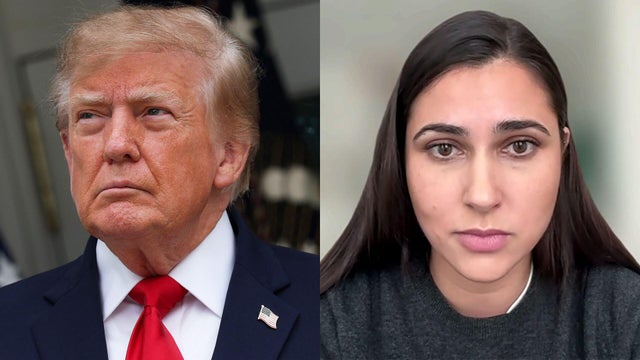
And President Trump is touting a preliminary agreement with Iran that would kick off 60 days of talks to negotiate a US-Iran agreement. While meeting with French President Emmanuel Macron on the sidelines of the G7 in Europe, the president said the memorandum of understanding is signed and the text of the agreement will be released pretty soon. Ian Bremmer joins me now. He's the founder and president of the Eurasia Group. He's also a Foreign Affairs columnist and editor at large at Time. So Ian, this tentative agreement is looming large over the summit. It's really only a commitment to keep talking. Although, President Trump says that the strait will open on Friday. The administration claims it's wiped out Iran's navy. We know they've killed former Supreme Leader Khamenei. Are we largely back where we started? What's changed since the war began? No, we're not back where we started. But certainly the single thing that the world needs fixed is getting the strait reopened and assuming that this MOU, that has been electronically signed by both sides-- we don't know exactly what's in it, but we know the Americans and Iranians have agreed to it. One thing that is clear is that it would reopen the strait. And so over time, which means once you've cleared the mines and once the ships that are stuck actually get cleared out, you will actually have goods and trade revert to the status quo [? ante. ?] And that matters, given the inflation, the higher gas prices, plastics, losing fertilizer for a growing cycle, all of those things. But the rest of the war, which is the nuclear file, the support for terrorist organizations around the region, the ballistic missile program, none of that is resolved. None of that is begun to be resolved. And so this is, so far, all of Trump's efforts and all of his war goals, we're falling very, very short of.
LINDSEY REISER:
00:01:55
Do you think, though, the other G7 leaders will feel relief over this MOU being signed? Is this the win that Trump wanted to go to the G7 with in his back pocket? No. I don't think it's a win. But they're relieved because they weren't involved in the decision to go to war, nor were they involved in the unilateral decision to leave the Iranian nuclear deal. The Europeans were signatories, in addition to the Russians and the Chinese. President Trump, in his first term, said, we're out. That ends up costing the Europeans. The European economy is suffering a lot more from a lower growth, efficiency, and productivity level than the US economy, suffering much more, as is the world economy, because the Americans and the Israelis decided to go to war. So they're clearly relieved that they will no longer be carrying that burden. Having said that, there are plenty of things the G7 is angry and anxious about, most importantly, the fact that the Americans just shut down with export controls, the most advanced artificial intelligence model from Anthropic, saying that no American allies get any access to it. That is the idea of a kill switch on core technologies. Every European I've spoken to finds this deeply urgent and concerning about the vulnerabilities they have with the Americans.
LINDSEY REISER:
00:03:14
Hmm. That's fascinating. All right. Ian Bremmer, thank you so much.