LINDSEY REISER:
00:00:00
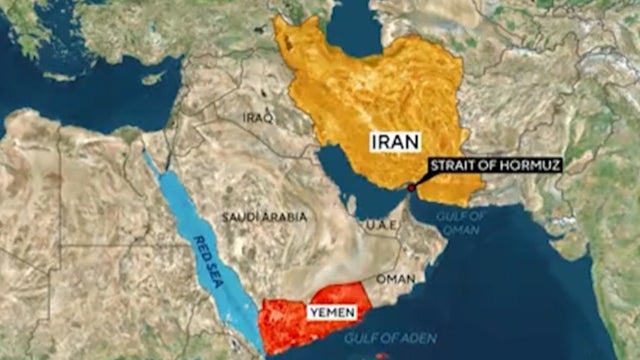
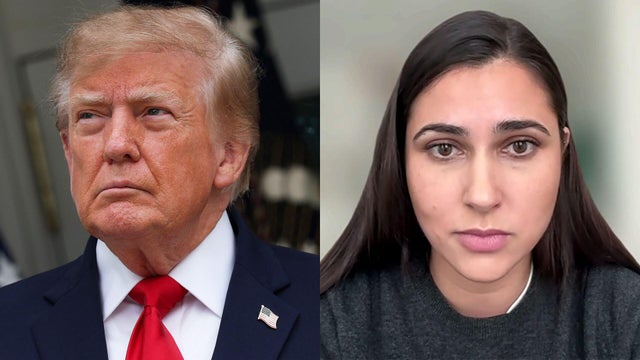
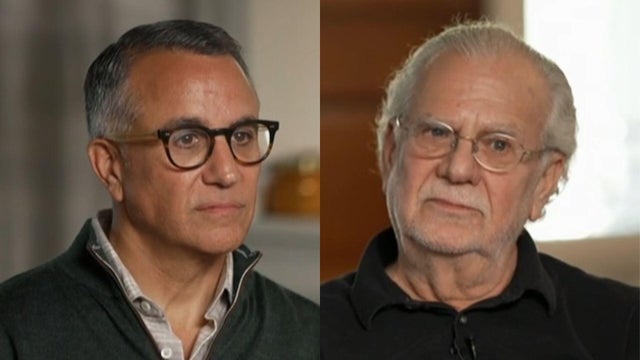
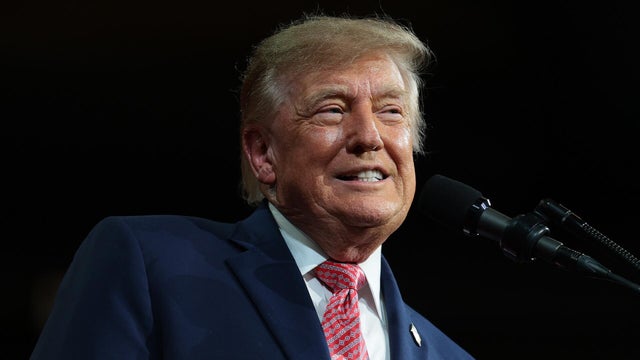
President Trump is urging Iranian anti-government demonstrators to keep protesting, promising, help is on the way, as thousands are feared dead in this violent crackdown. As the phone lines open back up, sources told CBS News, at least 12,000 people have been killed, but that number could be as high as 20,000. And the country is reportedly set to carry out its first execution of a protester as early as tomorrow. Meantime, some people in Iran are now able to call people outside the country, but there is an ongoing internet blackout, making it difficult to verify information from the inside. For more on this, Iulia Joja joins us now. She is a Senior Fellow at the Middle East Institute and an adjunct professor at Georgetown University. Thank you for being here. What are you hearing from people you have talked to about this, and how much worse could this get? Thanks for having me. It's really impossible to assess at the moment. The numbers that you're mentioning and that other media is mentioning is based on activist groups, based on NGOs, and so unverified. And so, as you've suggested, we have seen numbers from the hundreds to the thousands, even 10,000. What we know at this moment is that these protests are some of the biggest we've seen in recent years, but that we shouldn't be rushing towards conclusions because this would be one of many, many times when pundits and experts have predicted the end of the regime in Tehran, and that has so far not been the case. The protests are very violent. We know from reports that there's even shootings in hospitals and beyond. We know that the protests are now across the country. They've been lasting for several weeks now. But we do not know where this is leading. The unprecedented element here, I would say, is where the United States is weighing in. And we've seen, and you've quoted, President Trump mentioning support for protesters. That's something that we haven't seen here from Washington in a very long time.
LINDSEY REISER:
00:02:09
What more can you tell us about how difficult it has been to get information on what exactly is going on and paint the full picture? Well, the blackout is the most central problem here. And so that's also kind of a technical issue. When you try to reach people by phone that makes-- that puts people at risk in Iran because the government has expanded. It's also an important aspect over the last few years, its capabilities to monitor people and survey people with technology mainly provided by China and Russia, Iran's most steadfast and most powerful backers. And so calling people puts them at risk. There is an internet blackout going on almost entirely across the country for several days. And we've seen Elon Musk's Starlink intervening on behalf of protesters in Iran, in a similar manner as they have been helping in some contexts in Ukraine. But Starlink, for the first time in its history, has been blocked in this case by the Iranian regime, again aided with technology provided by China and Russia. And so, partially, it's impossible technically to reach people, and partially that's also something to take into account for us here trying to engage with Iran. It's putting people significantly at risk.
LINDSEY REISER:
00:03:45
All right, Iulia Joja, thank you for the update.