Watch CBS News

What could U.S. gain from Iran ceasefire?

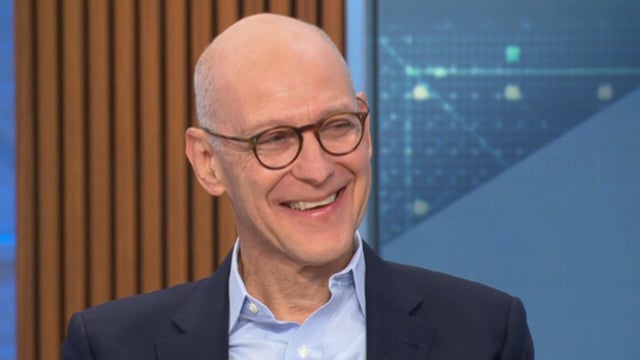
Vice President JD Vance will lead the first round of talks with Iran this weekend, the White House says. CBS News national security contributor Joe Zacks joins with analysis.
Apr 8 (04:24)

TRANSCRIPT FOR: “WHAT COULD THE U.S. GAIN FROM IRAN CEASEFIRE?”

REPORTER:
00:00:00

I want to bring in CBS News National Security Contributor and former Deputy Assistant Director for CIA Counterterrorism, Joe Zacks. Joe, thanks for being with us. So both Iran and Trump, both declaring victory. So is it? And what did we get from this ceasefire? So I think the question is, what will we get from this ceasefire? And the hard diplomatic work is about to start. The Iranians are masterful negotiators. And we can expect that the discussions will be intense and hopefully fruitful. But I think that this initial ceasefire-- and hopefully it will last-- is a positive step. But I think that what we will seek to get out of this, in terms of moving towards a formal conclusion to this conflict, will be really addressing and resolving the nuclear file question, especially the status of the close to 1,000 pounds of highly-enriched uranium, as well as addressing the ballistic missile threat from Iran and its support to proxies. And of course, the Strait of Hormuz and keeping it open and unfettered to international transit will be a vital part of these negotiations as well. Yeah, that leads to my next question. What does happen with the Strait of Hormuz right now? So we'll see. My understanding is that there were a number of vessels that were able to successfully transit the Strait of Hormuz. It is unclear to me whether they had to pay a toll, a so-called toll in order to transit today. I think this will be clearer in the coming days, as will some of the rhetoric that took place earlier today about whether Israel's continued operations in Lebanon would be a showstopper with respect to the safe passage of vessels through the Strait. But I would note that there's a lot going on behind the scenes. And I wouldn't get overly excited about every pronouncement, public pronouncement that is made. Understood. Why is Pakistan negotiating shooting for US and Iran? And what is their relationship with China? Well, first of all, Pakistan has done a good job, a very good job, in fact, in leading and helping get Iran to the negotiating table. Pakistan's stock in the US, especially with this administration, is high at the moment. And that started, really, at the beginning of this administration, when Pakistan delivered, shortly after the president was inaugurated, one of the masterminds of the Abbey Gate terrorist attack in Afghanistan and captured him and extradited him to the United States right around the time that the president gave his first State of the Union address, and the president recognized Pakistan for this. This was a goal of the president on taking office, that he would answer the calls of the Abbey Gate families, to bring to justice the perpetrators of that attack. And Pakistan delivered. And I think the president remembered that. He also remembered that they played a relatively constructive role in the discussions with the Taliban during his first administration. And Pakistan has a rich history in working with the US on complex issues. Think of the relations with China brokering for President Nixon an entree to China. And subsequently, they have been partners with us in many areas over the years. That doesn't mean we haven't had our disputes and conflicts with Pakistan over the years, but we've always had solid relations. And they have-- Pakistan is the second largest Shia population. They share a very long, contiguous border with Iran. And they have close relations with Iran. They really were regionally at the right place at the right time for this.

REPORTER:
00:04:20

Joe Zacks. Joe, thank you. Thank you.

View CBS News In
CBS News App Open
Chrome Safari Continue