ELIZABETH COOK:
00:00:02
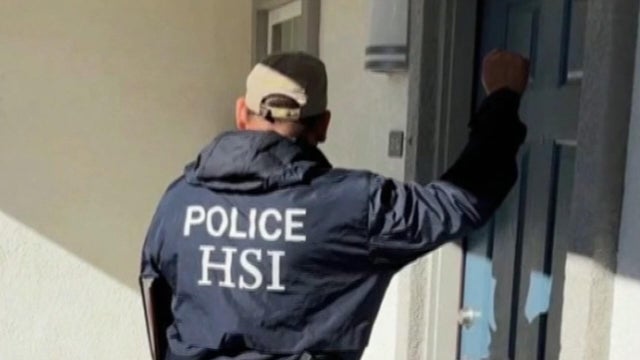
Somali World Cup referee Omar Artan is back home after being denied entry by the US. He was set to become the first Somali to officiate at the World Cup, but the Trump administration says he is a security threat. Let's bring in CBS News correspondent Camilo Montoya. Camilo, what is the claim here, and what does FIFA have to say about the situation? Hi, this is a highly unusual situation. The Trump administration is now saying, Liz, that Mr. Artan poses a national security threat to the country. According to Customs and Border Protection, he was denied entry in Miami over the weekend after the agency encountered what it called vetting concerns. And today, a Trump administration official is claiming that what CBP found was, quote, "derogatory information" that included, according to the agency, association with suspected members of terror organizations. Now, it's important to underscore that the administration has not offered any evidence of that alleged association or clarified the extent and nature of those links to alleged terror groups. And it's also important to note that Mr. Artan, who has since returned to Somalia, has said publicly that he had all the required paperwork and his visa to enter the country legally. But now, FIFA has confirmed that he will not be able to participate in the tournament, which of course, is being hosted by the US alongside Canada and Mexico. Importantly, it's important to note that he was one of only 52 referees selected by FIFA after that organization said it vetted and comprehensively screened applicants to participate as referees in that tournament for three years, Liz, three years. And switching gears to another headline-- I know you're following Camilo-- we're hearing about some changes to training for new hires by ICE. What can you tell us about that? Well, as you know, for months, ICE has been facing increased scrutiny over its tactics and operations as part of President Trump's dramatic crackdown on illegal immigration. And we have obtained an internal agency memo that shows that the agency is now extending the training program for new ICE deportation officers and importantly, also mandating additional follow-on training for the recruits that were onboarded over the past year who underwent the condensed Trump administration academy process. So to be more specific about that, the current training procedure will be extended from 42 days to 71 days, a much longer training period. And again, the people who underwent that 42-day academy process at the Federal Law Enforcement Academy in Georgia will now have to receive follow-up training in the field across the country. And of course, this comes after the fatal killings of Renee Good and Alex Pretti by Border Patrol and ICE agents in Minneapolis. That triggered a lot of backlash, including bipartisan criticism over the agency's training, conduct, and tactics. Now, we're seeing basically a recognition that the training procedures adopted by the Trump administration were inadequate.
ELIZABETH COOK:
00:03:22
Camilo Montoya Galvez, thank you so much.