Watch CBS News

U.S., Iran trade new round of strikes

President Trump said Wednesday on social media that Iran has "taken too long to negotiate a deal" and will "pay the price," as Iran said it launched new attacks on U.S. installations across the Middle East. CBS News' Charlie D'Agata and Olivia Rinaldi have more.

Jun 10 (07:15)

TRANSCRIPT FOR: “U.S. AND IRAN TRADE NEW ROUND OF STRIKES IN WAKE OF APACHE HELICOPTER ATTACK”

ADRIANA:
00:03:21

All right, Charlie D'Agata with so much important context, Charlie's military experience covering the military. So clear when you describe how the Apache helicopter is specifically designed to evade these kinds of attacks, Charlie, thank you so much.

VLAD:
00:03:34

Let's get straight to CBS News White House reporter Olivia Rinaldi, who joins us now from Washington. So, Olivia, how is the President responding to those retaliatory strikes from Iran and from the US overnight and what's the path forward? Hi. Good morning. It's good to see both of you. The president this morning is really losing his patience when it comes to Iran. Several times this morning on Truth Social and in an interview with Fox News, he said that he is willing to do more strikes. On Truth Social, he wrote that Iran has taken too long to negotiate and said that a deal would have been great for them, but now they're going to pay the price. Well, what is that price? He later had an interview with Fox News where he said he may keep going with the strikes. As Charlie just laid out, the strikes that the US took were largely retaliatory for taking down that Apache helicopter. Now we've seen Iran retaliate on those strikes. President Trump says he's looking at a variety of places where they could strike inside of Iran. He also told Fox News he's thinking about the power plants and bridges again. Remember when he made those threats about two months ago before this ceasefire started. The President is re-upping those threats. He also said that Iran has been tapping the United States along when it comes to the negotiation process. Remember just yesterday when we talked, we said that he keeps saying, a deal is close every two to three days. Every two to three days, they're getting close to potentially signing this potential deal. Well, it seems that the President is completely at the end of his rope when it comes to patience in these negotiations. The question now really is whether or not the ceasefire is fully dead. As Charlie also laid out, you're going to have these kinetic moments when you're having these two sides really in this stalemate, facing off against each other. But after two months of negotiations, talks that really haven't produced much in the way of progress and these renewed strikes, is it really a ceasefire at all? Can we even call it that? We certainly have a lot of questions into the White House this morning about what is the path forward and whether or not the President intends to keep having these negotiations at all with the Iranians, or if this ceasefire is dead.

ADRIANA:
00:05:44

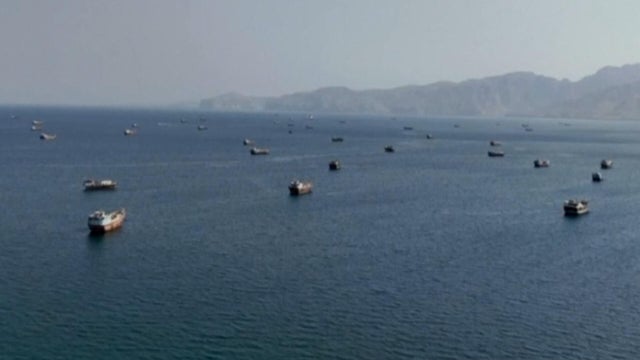
These are all questions a lot of people are asking, Olivia. And what are we hearing from Congress about these strikes? Several of them apparently said that they were briefed before the US retaliated. Tell us more. They were briefed. They were briefed yesterday ahead of the retaliatory strikes that did end up happening. There seems to be a bit of consensus on Capitol Hill between Republicans and Democrats that retaliation was the right move. It would have been seen as weakness had the White House not reacted to the downing of an Apache jet, even though the Iranians say it was an accident. It was an issue with the drone. But take a listen to Speaker Johnson and Chris Coons, a Democrat here, both talking about these retaliatory strikes yesterday. Iran struck US assets and personnel. We can't allow that. And so we're going to have to take care of this business. It is a reminder that the Strait of Hormuz is still an active combat area, and that Iran still has ballistic missiles and drones that they are willing and able to use against our partners and allies in the region. Now, Congress obviously still has a lot of questions when it comes to the war. As a reminder, they have not fully authorized any action in the Strait of Hormuz, especially against Iran, given the fact that they have not approved a War Powers Resolution. So we'll be waiting to see any more details that perhaps come out about future strikes, if there are more briefings today that they are potentially expecting ahead of whatever action the President may be willing to take.

VLAD:
00:07:10

All right. Olivia Rinaldi reporting from Washington. Thank you as always.

View CBS News In
CBS News App Open
Chrome Safari Continue