WOMAN:
00:00:32
Come on. Come on. After several years of losing money on cattle, Verlin and Pete Wilbetter were looking forward to turning a profit. They also grow corn and soy, those sales devastated by the ongoing trade war with China. How important is it to you that you have cattle when soy and corn is going so poorly? Well, it's going to depend on the year, but this year, it is the one thing that is going to make any money for us.
LANA ZAK:
00:00:59
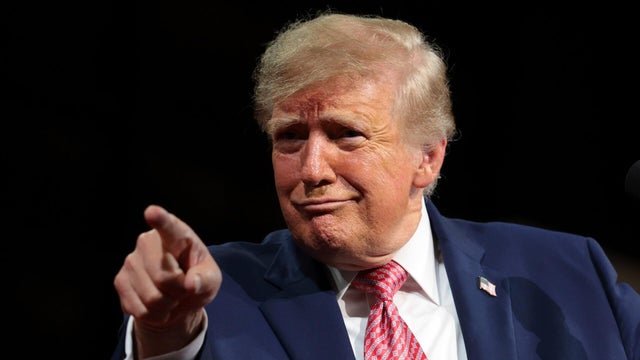
So the Wilbetters were astounded when President Trump announced he wanted to quadruple beef imports from another country. If we do that, that will bring our beef prices down. It would help Argentina, which we consider a very good country, a very good ally.
LANA ZAK:
00:01:13
His words sent wholesale cattle prices plummeting. In the supermarket, the price for meat has skyrocketed over the past year, ground beef up nearly 13%, stake up 16%. You have to look at the total supply chain.
LANA ZAK:
00:01:27
Brian Whelan is the CEO of the Iowa Cattlemen's Association. He says Americans won't really see grocery savings from increasing beef imports.
BRIAN WHELAN:
00:01:36
It really only is going to be about 2.5% of our total beef supply. It's really not going to make a substantial difference.
LANA ZAK:
00:01:43
The Wilbetters and their neighbors say they're disappointed that the president's America-first trade agenda doesn't include them. The whole point of tariff was to bring production back home. So we are producing beef here, and now he is trying to do something to destroy that production. We're being used and abused as producers. It feels like being a pawn in a game we're not going to win. Now, the White House press secretary says President Trump, quote, "loves ranchers" but that increasing the beef supply is the best way to bring down prices. Meanwhile, all farmers are still waiting on the details of that promised aid package that has been put on hold because of the government shutdown. Jericka.
JERICKA DUNCAN:
00:02:25
All right, Lana Zak for us tonight, thank you.