Watch CBS News

Sonya Massey's family speaks out

A jury in Peoria, Illinois, found former Sangamon County deputy Sean Grayson guilty of second-degree murder, this past Wednesday, for the fatal police shooting of mother of two and 36-year-old, Sonya Massey. Grayson was charged with three counts of first-degree murder in the 2024 deadly police shooting, and the jury was given the option of convicting him of second-degree murder. His sentencing date has been set for Jan. 29th in Sangamon County court. CBS News national correspondent Jericka Duncan sat down with family friend Teresa Haley, Massey's father James Wilburn and Massey's cousin Sontae Massey.
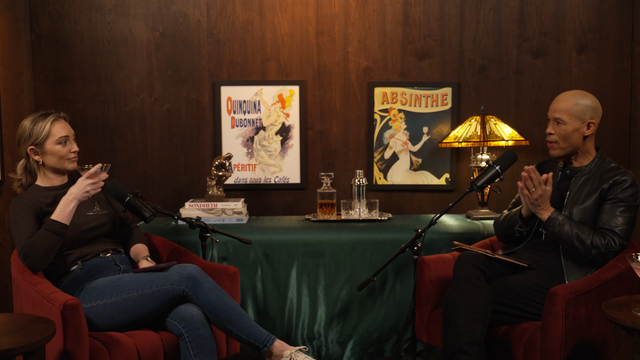
Nov 2, 2025 (12:29)

TRANSCRIPT FOR: “SONYA MASSEY'S FAMILY SPEAKS OUT AFTER SEAN GRAYSON'S CONVICTION, CALLING IT "PARTIAL JUSTICE"”

JERICKA DUNCAN:
00:01:58

Summer. --Summer-- she became inconsolable. I have to watch my mother, my Aunt Donna-- they're devastated, and I'm devastated for them. I just think that we have a long couple of days ahead of us. To the Grayson family, what do you say to them? They were in the courtroom. You all obviously made eye contact at times. What's your message to them? I feel sorry for them. The mother came over and apologized, and she said, we did not raise him that way, and I'm really sorry for your family. My heart goes out to them. We lost Sonya, but they lost a son. And what he did for Sonya, he has to pay, and they realize that. You're saying Grayson's mother came up to you during the trial? During the trial, and apologized not only to me, but to the entire family, especially Sonya's mother. Wow. What was that like? That's not something you, I would imagine, were expecting. We did not expect it. But we had been with this family on the other side, watching us, looking at us for months after months after month. And they would mumble, I'm so sorry, but to actually come over and touch us and tell us that they were sorry. There was one point that we didn't think we were going to be able to get in the courtroom. It didn't look like I was going to get in. And guess what. Grayson's mom said, you can come in on our list. Because they didn't have anybody over there. But because she felt sorry for the family, and they wanted to offer some types of condolences. Knowing how divided this case has been for so many people, is there anything to be gained? Just at the fact that they're human as well. And we raise our children, but we don't know how they're going to turn out. And this is the worst case example of how a child can turn out. A monster is what he is. I have to speak with Summer and Malachi, Sonya's children, and I have to explain to them that there are hiccups in the justice system. But what we need to do, and what we in particular aim to do, is deconstruct what we can deconstruct and rebuild anew justice system. We have to, or else things like this are going to keep on happening. By that, do you mean changing the law? Because I know you all spoke at the news conference about something in between first-degree murder and second-degree murder that you feel may have felt a little bit more weighted, a little bit more fair, and possibly easier for jury to discern the facts of the case. And I'll let you speak on that, but you talked about it at the news conference. I think that because Illinois has been the leader in passing the Sonya Massey bill, that bill says that this job hopping that many, many counties, cities do-- they take a person who's already certified and they allow them to resign rather than fire them so that they can get a job in the next police department and the next police department. I think that those departments that allowed a person who was kicked out of the military-- he had two DWIs. Here's a man who never should have had a badge and a gun. He never should have been able to lord over any citizen in this United States. And he did exactly what he said he would do. He told my child he would shoot her in the effing face, and he did it. And all we got was a second-degree murder conviction out of this? There has to be some middle point between first degree and second degree. I think this was a compromised verdict. And people are saying, well, you got something. But we didn't get complete justice. And until we get complete justice for people all over the United States, it's not going to be enough for me. I think that that Sonya Massey bill needs to go across all the other 49 states in this country. The defense said that Sonya escalated the situation. The defense said that the pot of boiling water she had was the threat and justified Grayson's actions. As her father, what was that for you, listening to someone say that your daughter escalated the situation? I knew that there were going to be all kind of lies, and I thought that I had prepared myself for those lies. I think the defense here did a job in muddying up the waters. And they threw enough lies and supposedly made up reasonable doubt. They threw things against the wall to see if they would stick. And I think that caused enough of some consternation in that jury room that they settled on this compromised verdict. But we don't feel that we got justice here. I said that we're in the home of Richard Pryor. And Richard Pryor said years ago that when we go into the court system, we come out not justice, but just us. And how fitting is it that we're in Peoria?

TERESA HALEY:
00:08:05

Mhm. What is your overall message to people who feel as though justice, to some extent, was served with this verdict? What is your message? Let me start. Justice, it felt like it was just us in the courtroom when the verdict was read. Again, I was devastated. I was so disappointed. Sonya's daughter grabbed me and just started shaking and said, what does that mean? What does that mean? And I said, baby girl, we'll talk about it later. Because people called me on the phone and said, congratulations, and I said, congratulations for what? A young Black woman is dead. Her children are still suffering. And they're going to be suffering even more because justice was not served. And we want full justice. ? So that means that we'll have to continue the fight and fight even harder to change the laws in America. I think that people all over the world are hurt. I know where I live in, Pine Bluff, Arkansas, I felt like Sonya was all of our child. As I walked through my city and my hometown and my county, there is this hurt. And it's like the elephant in the room. Nobody knows how to bring it up and how to talk to me about it. I have a bias. Sonya was my little sister. I have heard people say, Sean Grayson did what was right. And I hear a lot of people say, justice for Sonya. I think that it's a tale of two different mindsets. Some people see Sonya as having a mental health issue. What I saw from the videos, she was very afraid. That's two different interpretations that we need to meet in the middle, if you ask me. It has encouraged me to want to fight more. I think that we need to change the law in every county of every state in these United States. I don't care if I have to become a congressman, a senator, a mayor, a governor. I'm going to fight for the rest of my life to become the change that this country needs. How much do you all think race played in this case? There was a jury of eight women, four men, one Black man. I think it played a lot. I think it was the deciding factor. They said a jury of your peers. Who's peers? They weren't Sonya's peers. Grayson's peers, maybe? I think it played a lot. If you could give me your last thoughts or anything that you want people to know as your family continues to heal. I continue to think that sometimes I've cried my last tear. But on those days when it's hard for me, and Sonya's sisters, too, and Sonya's aunts and cousins and so many people, it's like throwing a rock in a pond, Jericka. It goes out, and it keeps going out. And the waves keep going out. And it's the kind of hurt that no one can understand. As I sat and I listened to other families that were equally suited and going through this kind of hurt, I never thought it would happen to me until it did. But it, I think, gave me a purpose to keep living, to keep fighting for the kind of change that's necessary in our country so that there truly will be one day equality. I gotta keep fighting.

JERICKA DUNCAN:
00:12:22

Thank you guys so much for your time. Thank you.

Videos
View CBS News In
CBS News App Open
Chrome Safari Continue