NIKOLE KILLION:
00:00:53
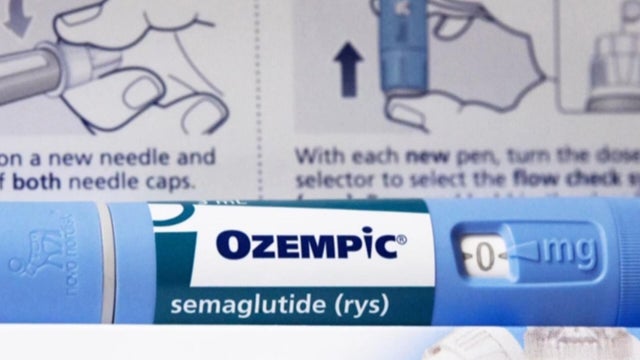
Well, it's a little bit of both. I mean, this is kind of the best of, right? We have seen this package in so many iterations over the past year or so. And so this is kind of now what, at least, Leader Schumer and Senator Manchin were able to agree on, and what they hope will be palatable to the rest of Democrats. In fact, there was a meeting just this morning of Senate Democrats, many of them emerging feeling quite optimistic about this particular measure, which, as you see, would reduce carbon emissions by 2030, expand the Affordable Care Act by expanding subsidies under that program for the next three years to lower premiums. A 15% corporate minimum tax would be one of the ways to fund this particular measure. And then of course, this makes a $300 billion investment in deficit reduction, which is really a critical part of this bill because, as you know, one of the main sticking points for Senator Joe Manchin was, will this bill deal with the issue of inflation? He insists that it will, that it has been vetted by the proper economic entities to ensure that it will address inflation. And just talking to lawmakers this morning about that, they feel that this will lower cost on a number of fronts, particularly on the issue of prescription drugs by allowing Medicare to come in, and start negotiating prescription drug prices that will bring costs down for families. A lot of these climate proposals, they hope, will eventually drive down some of those energy costs, although that relief may not be as immediate. - And so Nikole, looking at sort of the political machinations behind the scenes, we know Democrats have been negotiating with Manchin for months. But he kept shutting proposals down, and he seemed kind of finished with the whole thing. So politically, what changed here behind the scenes?
NIKOLE KILLION:
00:02:32
Well, he just wrapped up a Zoom call with reporters because he is still suffering from COVID. He was diagnosed earlier this week. But he did insist that he never walked away from the process. And while there was that period about a week or two ago, where he and Senator Schumer kind of came to loggerheads over this issue. And it did appear that any prospects of a deal were dead. He said that he and his team continued to keep working on the legislation and trying to fine-tune it to the point where a couple of days later, he said he bumped into Leader Schumer, and they kind of let those grudges go in terms of whatever issues they had at the time. So he insists that he is always been at the table. And quite frankly he and Leader Schumer have been negotiating pretty quietly on this for the better part of several months, he said. Really, these negotiations kind of really picked up in earnest back in April. And he said they were able to seal the deal earlier this week, this past Tuesday, where they were able to finally put their pens down. They finalized the text Wednesday. And of course, that's when we got that big announcement last night. - All right, well, without getting too ahead of our skis here, what do we think the potential timeline for this package would be to get to the president's desk? And are there any big hurdles that still need to be cleared that stand out to you as potential deal breakers?
NIKOLE KILLION:
00:03:55
Well, optimistically, in terms of a time frame, I mean, look, the Senate would like to have this wrapped up next week. And that was part of why this agreement came to the floor yesterday because Senator Manchin acknowledged look, we're out of town August 6. And so in order to get this moving, we had to get it done by yesterday in order to get the ball rolling. And so now of course, this will have to be vetted through the Senate parliamentarian to see if it meets the marks for this strict budget process called reconciliation. We do expect this will be a measure that will fall strictly on party lines, where it will require all Democrats to be in support of it. Certainly, one cliffhanger is whether or not Senator Sinema will be on board. We understand she was not at this caucus meeting earlier this morning, and has also been kind of very critical in the overall package as it's kind of gone through its various iterations. The other thing, I mean, let's be Frank, is this issue of COVID. We just learned that Senator Durbin is the latest to test positive for COVID. As I mentioned, Senator Manchin is out. And so Democrats are going to need every single vote possible. So that's one of those things where we can't predict if that might have an impact on the numbers in terms of some of the senators we talked to this morning, they said that they hope that won't be an issue, but they understand that every vote is critical. And then also, you've got this issue of even if everything goes according to plan here in the Senate, this has to also clear the House. And House progressives in particular have said, not so fast. We want to take a look at this. They haven't completely signed off yet. Speaker Pelosi told reporters a short time ago she doesn't seem overly concerned about whether or not there may be some pushback or resistance among some factions of the party, even some moderates who wanted to see some other provisions in there with respect to the issue of SALT, state and local taxes. So that being said, this does have more hurdles to clear. Will it all get done in a week? Not so sure, but maybe a few more weeks after that. That's probably our best hope. But again, we'll have to see because, as you know, anything is possible here on Capitol Hill. - That's right. A week does sound like a tall order, though. Nikole Killion on Capitol Hill, thank you so much.
NIKOLE KILLION:
00:06:05
You bet.