Watch CBS News

Expert weighs in on U.S. redistricting fight

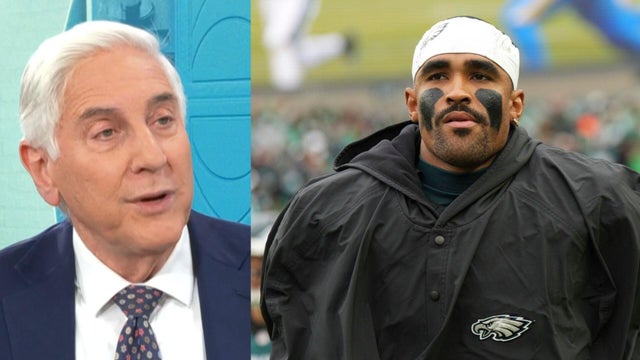
David Daley, a senior fellow at FairVote, joins CBS News 24/7 to break down the current redistricting efforts by Republicans and Democrats ahead of the 2026 midterms.
May 11 (04:36)

TRANSCRIPT FOR: “REPUBLICANS HAVE BEEN "MUCH MORE STRATEGIC" IN REDISTRICTING EFFORTS, EXPERT SAYS”

BROADCASTER:
00:01:31

So I was just looking at that map that we put up that shows the gains for Democrats, at least potential gains for Democrats, as opposed to the potential gains for Republicans there. You see California, plus Utah, there's 6 for Dems. But then the numbers are much greater when you start to move east throughout the United States. So what's next for Democrats? Because these numbers are really the painful medicine going down today. They are very difficult for Democrats moving ahead. And there's not much that Democrats can do on the 2026 map. But looking ahead to 2028, I think we're going to see a real bloodbath. And both sides are going to do this. But Democrats are going to look probably to Illinois, where they could draw a 17-0 map. They're going to look to pick up three to four seats in New York. I imagine they will look to unravel the nonpartisan commission that currently draws lines in Colorado and try to give themselves an 8-0 map there. I think they might go back to California, ask voters once again to do an additional gerrymander, this time to go for a 52-0 map in California. Republicans won't stop there. They have seats still on the table. They didn't take this time in Kansas, in Kentucky, maybe in New Hampshire. They'll go back to Indiana, where just last week, Donald Trump's preferred candidates won state legislative primaries over candidates that stopped redistricting earlier this year. And the advantages from the Callaiscase that the Supreme Court handed down on the Voting Rights Act will continue to rebound to Republicans in 2028, as they probably go back into Texas, into Georgia, perhaps even Missouri. There's about 19 seats overall that Republicans could pick up.
BROADCASTER:
00:03:20

So take us 24, 48 hours, even 72 hours after the midterms. Given all of those metrics, all of the things that you're looking at as you look at the map, do you see a win for Republicans that's larger than Democrats, who were thought to have quite a bit of successful wind at their back, going into the midterms? This is going to be a big advantage for Republicans heading towards the midterms. Republicans already have a three-seat edge in the House as they approach November. They will likely pick up somewhere between 9 to 12 seats as a result of mid-decade redistricting. That means Democrats are going to have to pick up somewhere in the ballpark of 15 seats if they want to take back the House. That gets harder and harder on these maps, because there are fewer and fewer competitive districts. There were only 37 of them back in 2024. And a lot of those have been drawn off the map. In the meantime, Democrats still have the advantage of an unpopular president in a midterm year in which the party that's on the outs usually gains seats. But with a shrinking map, the road has gotten much tougher in the last 10 days.

BROADCASTER:
00:04:32

All right, Dave Daley, thank you so much for the conversation. We appreciate it.

View CBS News In
CBS News App Open
Chrome Safari Continue