LINDSEY REISER:
00:01:51
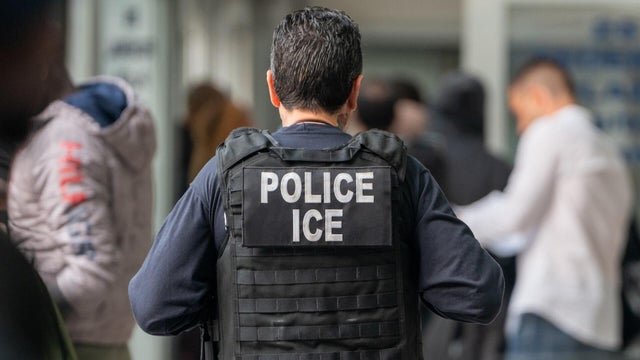
Homeland Security Correspondent Nicole Sganga joins us now from Minneapolis. So, Nicole, you have been there for several days, both preceding this event and seeing the aftermath throughout. We're learning more about the driver, Renee Good. We're learning more about the ICE officer. We know that tensions are very high where you are. Schools are closed. What's the atmosphere like in the city? Yeah, absolutely. Well, look, I mean, we noticed that tensions were high in the city of Minneapolis even before this shooting happened. When we embedded with federal law enforcement earlier this week, it was very clear that anywhere there was a presence of ICE agents, there was a crowd that would surround. Protesters got close to seeing some clashes even before what happened on Wednesday played out. Then, of course, Wednesday was kind of like the tinderbox ignited. And in the hours after that fatal shooting, we saw agents deploying tear gas. We saw, on the ground, violent protesters, angry protesters trying to physically confront law enforcement there on the ground. Now, later last night, we saw a settling of some of the demonstrations, and it was much more of a vigil atmosphere. But truly an enormous number of people who flooded to the scene of the crime, hundreds and hundreds of them to lay flowers, to take a moment to say prayers, to sing songs, to remember Renee Nicole Good, the 37-year-old woman who was fatally shot during this incident. As for today, there have been some isolated altercations, we're told, outside the Whipple Federal Building nearby but a much calmer environment. Still, it really does feel like perhaps Minneapolis is bracing, waiting for the next shoe to drop.
LINDSEY REISER:
00:03:57
Nicole, if you can hear me, I want to ask you about, in terms of deadly force and the protocol for Homeland Security because their protocol states that "a law-enforcement officer shall only use the force that is objectively reasonable in light of the facts and circumstances confronting him or her at the time the force is applied." Was there-- was this-- I guess my question is, is there room for doubt here whether this officer followed protocol?
NICOLE SGANGA:
00:04:27
Yeah, I mean, I think this question is twofold. And I've spoken with countless federal agents yesterday, today to sort of hear their perspective on this, and what they have told me is no one really knows whether or not there was a feeling of imminent threat on the part of the federal law-enforcement agent, aside from that ICE agent who was responding in that moment. Of course, there are lots of people weighing in and speculating on this video, whether or not the car was pulling out to avoid the agents or driving toward them. What has been made clear to me in discussions with several law-enforcement agents, however, is that the positioning of the agent in this case, the way in which he approached the car, approached that red SUV from the front really cuts against every DHS protocol and also what someone with this individual's training would have been taught to do. I mean, CBS News has reported that the agent involved in the shooting was not new to the job, had 10 years experience, was based in the Minneapolis area, and was a member of the special response team. So a lot of questions regarding if the agent followed protocol when he first approached that vehicle. The FBI is looking into this and is now leading the investigation to get to the bottom of exactly what protocols might have been missed here.
LINDSEY REISER:
00:05:49
Nicole Sganga, thank you.