Watch CBS News

Pentagon report: Signal chat violated rules

An internal Pentagon watchdog review found Defense Secretary Pete Hegseth's March Signal chat violated regulations and could've endangered troops, sources say. CBS News Pentagon reporter Eleanor Watson has the details.
Dec 3, 2025 (07:20)

TRANSCRIPT FOR: “PENTAGON "SIGNALGATE" REPORT FINDS HEGSETH VIOLATED DEFENSE DEPARTMENT REGULATIONS, SOURCES SAY”

LINDSEY REISER:
00:02:20

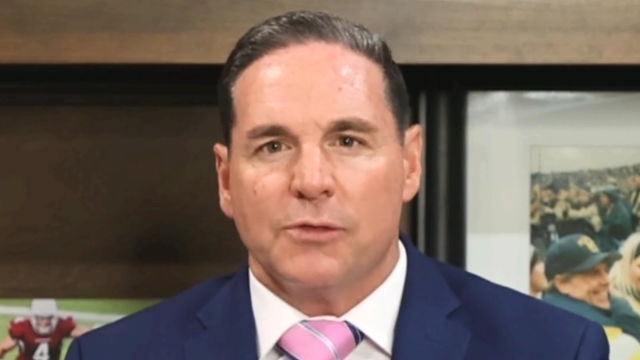
OK, I want to get back to Hegseth in a second. But the person who inadvertently added Goldberg to the message was, at the time, National Security Advisor Mike Waltz, right? He's now the UN ambassador. Does this report, will this report address that part at all? As far as we know, the investigation scope was about the secretary's use of commercial apps like Signal. What we may find in the unredacted version tomorrow is more than just the messages that were posted by TheAtlantic. But what we learned in March about the messages is that Hegseth was the one who shared sensitive details, even though Mike Waltz was the one who inadvertently added him to the messages. One other thing, Lindsey, I want to note about what the sources tell us the report says is that the details that Hegseth shared in Signal were transmitted to him, shared with him by US Central Command, which is the combatant command overseeing those operations against the Houthis. And the report, according to our sources, did find that US Central Command shared those details with the appropriate secret NOFORN classification before they were shared in that group chat.

LINDSEY REISER:
00:03:34

OK, let's talk about whether these details were classified or not prior to the defense secretary sharing it. What do we know about that? And why is that piece of the puzzle significant? Well, Lindsey, as I said, the Central Command commander shared those details marked secret, NOFORN. So that's classified information. That is, if it gets out, could cause damage to the mission and endanger troops. What the IG, according to our sources, did not release a concluding-- find a definitive conclusion on is whether or not Hegseth, as the declassification authority, declassified those details before they were shared in the chat.

LINDSEY REISER:
00:04:17

What else has stuck out to you about what you're reporting right now? Well, I think going back to March, there has been a denial that these messages were sensitive when they were first released, were very clearly timing type of platforms. Details like this are not shared even after mission. So the fact that they were shared during the missions was striking at the time. And it's been interesting to watch the Pentagon kind of try to push this narrative away, that nobody was texting war plans. What happens next here? Is there any accountability structure here for the defense secretary, if this review did, in fact, find, as you're reporting, that he violated rules and regulations of the Defense Department? Well, Lindsey, we'll see you tomorrow when the full report is released to the public what the IG recommends. But from what we know so far, the recommendations are that there definitely needs to be more training. There's already training about what is appropriate to communicate, but more training on when to use commercial apps and when to use personal phones. As far as Secretary Hegseth, the scrutiny of him over sharing these messages on Signal is unlikely to die down when this report is released tomorrow.

LINDSEY REISER:
00:05:39

I also want to ask you, real quick, before we let you go, remind people the nature of this Signal app. It doesn't have the encryption. It's not the proper channels. Just remind people why this was such a big deal at the time. The military has a way to communicate sensitive details, a specific network where they're supposed to communicate classified information, and information is not supposed to be taken out of that. Signal is on your phone. It's on personal phones. And so, in this instance, communicating classified information like this, not on the appropriate network, was what raised concerns from the get-go.

LINDSEY REISER:
00:06:19

And in the past, have administration officials been targets of foreign adversaries? Is it easier for them to potentially intercept messages when they're sent on an app like this?

ELEANOR WATSON:
00:06:30

I would not doubt that. In the past, officials have been targeted by adversaries. I do not know, Lindsey, of a specific instance where anything has come out or whether it's necessarily easier. But it's definitely easier than the classified network that the Pentagon is required to use. OK. Eleanor Watson, we really appreciate you jumping in front of the camera on this breaking news that you and our colleagues have broken. Thank you so much. Just to reiterate to everybody, the Pentagon's internal watchdog determining that Defense Secretary Pete Hegseth jeopardized sensitive military information and could have endangered American service members when he shared details about this US strike in Yemen in this private Signal group chat earlier this year. Looks like the public is going to get their hands on a redacted version tomorrow, but we'll continue to follow this story.

View CBS News In
CBS News App Open
Chrome Safari Continue