LINDSEY REISER:
00:00:43
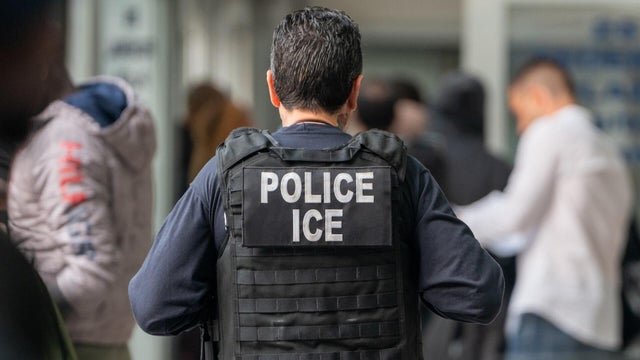
CBS News congressional correspondent Nikole Killion joins us. Nikole, what is the real-world impact of this shutdown? Well, just a short time ago, we heard from the White House press secretary, Karoline Leavitt, who posted a tweet, for instance, about a sewage spill that has occurred here in the nation's capital, in the Potomac River. She writes, "Add this to the long list of reasons Democrats need to get serious and fund the Department of Homeland Security." Because, obviously, the president, as she posted [? to ?] another post that the president put [? out, ?] basically where the president says he's directing FEMA to help in the response with respect to the cleanup. So that's one real world example right there. But look, in terms of FEMA, just last week, the official acting as administrator was here on Capitol Hill, along with the leaders of other critical agencies under DHS. And what he conveyed is that the Disaster Relief Fund for FEMA is sufficiently funded, that they can handle disasters. But, obviously, if something catastrophic happened, that would strain their resources. In terms of TSA, about 95% of their workers remain on the job without pay. In terms of the Coast Guard, you're looking at some 56,000 active-duty and civilian members of its workforce who are being impacted and will continue to work without pay. So it does have some real-world implications here. And even though maybe people out there might not be feeling the impacts immediately, certainly the longer this drags on, that could certainly change. The longer this drags on. What could that potentially look like? Where do negotiations stand? Yeah, well, I wish I had a crystal ball to tell you precisely when. But look, what we do know is that Democrats have not yet responded to the latest counteroffer from the White House. The White House put forth counteroffer the middle of last week, basically submitted some legislative texts to Democrats after the initial proposal that the White House put forth was deemed incomplete and insufficient by Democrats. So then the White House came back with a second offer. And that is what Democrats have yet to respond to. But as you pointed out, Democrats have been pushing for a number of reforms to, quote, "rein in" ICE in terms of the agency's conduct, whether that's prohibiting wearing masks, making sure agents properly identify themselves. Some of those things, though, however, are non-starters for the administration, although there does seem to be some bipartisan agreement around the use of body cameras. But keep in mind, Lindsey, that was already part of the original DHS funding bill, and some of those cameras are already starting to be deployed to agents, according to the Homeland Security secretary. So we'll see how things progress. But, as you know, Congress isn't here right now, so even if a deal is reached, lawmakers, it would take them some time to get back to vote on this.
LINDSEY REISER:
00:03:36
OK, Nikole Killion, thank you.