Watch CBS News

Parents speak out about domestic violence

The parents of a woman who was fatally shot in a domestic violence incident spoke with CBS News senior coordinating producer Anna Schecter to raise awareness about the pervasive crime plaguing the U.S.
Dec 9, 2025 (06:54)

TRANSCRIPT FOR: “PARENTS OF WOMAN KILLED IN DOMESTIC VIOLENCE INCIDENT SPEAK OUT: "I CAUGHT ON TO THE SIGNS"”

ANNA SCHECTER:
00:01:07

Lisa DeSort's daughter was killed on this very block in Manhattan three years ago. Immediately, I caught on to the signs. And I told her, you can't-- you can't be with this type of person.

ANNA SCHECTER:
00:01:20

Azhia Johnson's boyfriend was abusive and had beaten her when she was six months pregnant. After months of hiding at a nearby shelter, she agreed to allow him to meet their baby daughter. She was texting us. She noticed that he was wearing all black. And then we never heard from her again. The phone went dead.

ANNA SCHECTER:
00:01:40

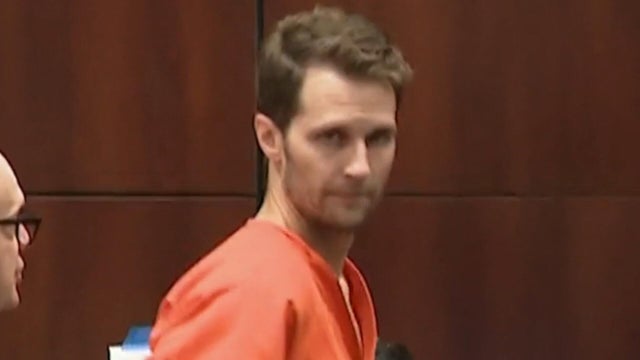
He's charged with her murder and has pleaded not guilty. So this is the tree right here. Yeah, this is it.

ANNA SCHECTER:
00:01:46

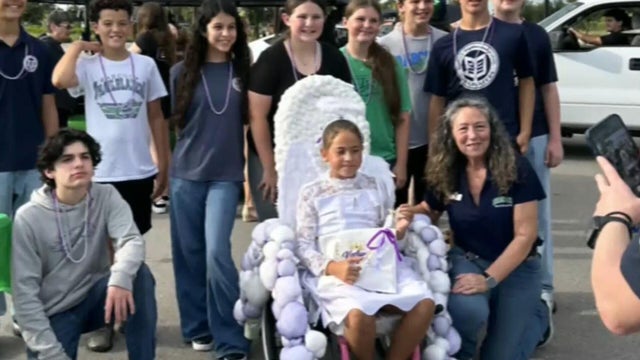
DeSort's daughter was one of the 700 women shot to death by an intimate partner every year in America. Not far from here, hundreds of women and men gather annually to call out one of the most common violent crimes in America. This is the annual bridal march. Hundreds of people have gathered here today to raise awareness about domestic violence. No more violence-- --against women. Stop, stop, stop the violence. The Brides' March is led by Lethy Liriano, whose aunt, Gladys Ricart, was shot by her ex-boyfriend 25 years ago. We can understand just how serious and prevalent and damaging this is to our community. By hearing each other's stories and understanding none of us are at fault for not knowing a horrific, violent event was going to come. She had finally moved on and was focusing on herself and began to flourish again. It's unthinkable, unthinkable as a parent, unthinkable as a human to have to endure something like that.

ANNA SCHECTER:
00:02:46

Manhattan District Attorney Alvin Bragg has led the charge in New York to prosecute cases of domestic violence. This is one of the most common charges in the borough of Manhattan, in the city of New York, and nationwide. And right now, you have 500 open cases that involve intimate partner violence. Is that right? Yes, more than 500.

ANNA SCHECTER:
00:03:07

Nathaniel Fields leads the Urban Resource Institute. By the end of today, this day, more than three women will have been murdered as a result of domestic violence. We don't talk about it enough. When it's in the news-- some celebrity, some high-profile person has committed domestic violence. How do we tackle such a pervasive issue? We need to increase awareness. What we learned in working with thousands of young people in high schools-- that we started too late. So we had to work with people in junior high schools.

ANNA SCHECTER:
00:03:34

Lisa DeSort, herself a victim of domestic violence, is devoting her life to awareness and prevention. I'm not going to stop fighting. I will not.

VLADIMIR DUTHIERS:
00:03:47

So it's some powerful reporting there. That's right. And, Vlad, more than 5 million Americans have reported being a victim of domestic violence over the last five years. So it is just so pervasive. So many Americans are struggling with this. So the thing that's hard, I think-- and it is a problem that has existed in this country for decades, which is that it's hard for a woman to leave. And if they are the victims of domestic violence and the police show up, oftentimes, if the woman doesn't want to leave, if she doesn't want to press charges, the police are hamstrung, right? Is there a way for the laws to change so that a police officer can make a decision if he thinks the woman's life is in danger? Well, that's what's happening here in New York City and in some other large cities in California. There have been new laws implemented where somebody can remove an alleged abuser from the home, even if they hadn't met that previous bar. So it's very slow moving. And it can be really frustrating for victims who say, we were calling. We were asking for help. And no one actually did anything. So I think, as a society, we also need to just shift our views and understand that violence that might be a little bit, that escalates, it can quickly devolve into something very serious. The other risk and danger for women, obviously, is that oftentimes, the signs are there. People know-- family, friends, even police officers, who are sometimes called to a domestic violence situation. But the woman is afraid of doing anything because she knows that that could further inflame the tensions and put her life in greater risk. And so, again, it goes back to the question for me of whether or not law enforcement is able to take a more active role in this situation and ensure that if the woman decides to leave, or if she decides to press charges, or if she decides to just give a statement to the police officers, that they can make a decision to remove that individual and keep the woman safe. It's such a great point. Some of this revolves around educating women about what is really going on. It is so complicated when there's financial dependence. Sometimes the woman has children with an abuser. It's extremely complex. We've been reporting on this for several months and talked to so many victims, survivors, and their families. Each case is a little bit different, but there are these telltale signs that are similar. These narratives play out-- that it occurs over time. But once a woman does leave, it's not that the cycle of abuse stops right there. It can be cyberstalking or following-- people get trackers put on them. It is so challenging to really get to the heart of this and solve it. It's such critical reporting that you're doing. And it's so important to highlight this. And it shouldn't just be around a particular event. It should be a common thing that we do where we talk about how dangerous it is just sometimes for women who are in these dire straits. Yeah. Anna Schechter, thank you very much. Really important work.

Videos
View CBS News In
CBS News App Open
Chrome Safari Continue