TOM HANSON:
00:00:34
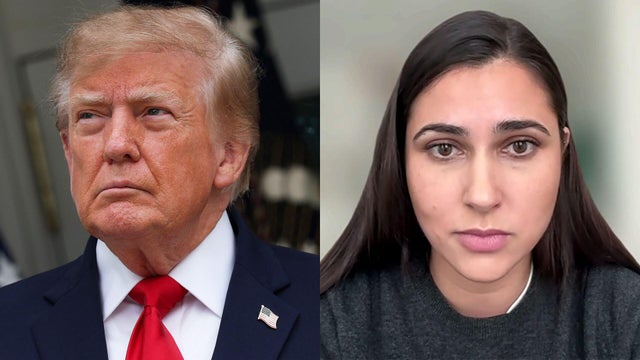
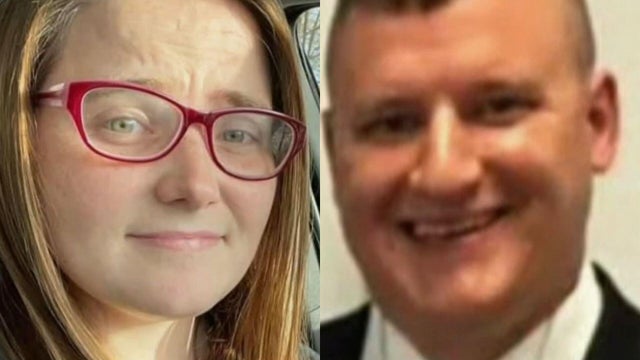
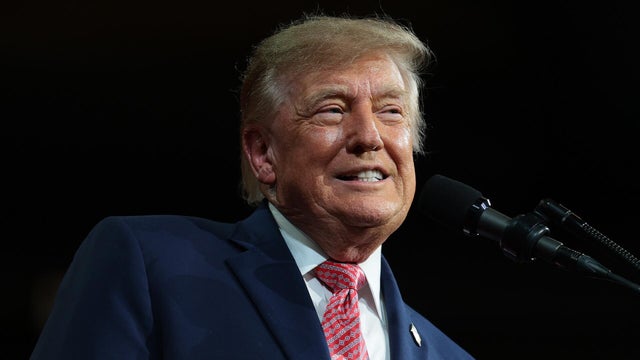
And take a look at this. CBS News has obtained this new photo of the suspect. It was apparently taken the day he entered the US. CBS News Homeland Security Correspondent Nicole Sganga joins us from Washington. Nicole, you've been following this. Get us up to speed on the latest developments. What are you learning? Yeah, Tom. Officials confirm that the suspect spent roughly eight years in a CIA-backed Zero Unit operation before fleeing Taliban threats in the eastern region of Afghanistan, a region known as Khost. His former badge reveals that the suspect was assigned to what's known as the Kandahar Strike Force, or 03 unit, the 03 unit that he was a part of. It's an intelligence-- Afghan intelligence unit and paramilitary force that worked with the CIA. And those units are often labeled by human rights groups as death squads. They see a tremendous amount of violence. The suspect later relocated to Kabul before entering the US in Washington State under Operation Allies Welcome. Now, the FBI has interviewed relatives, including his brother, the suspect's brother, in San Diego. All of the family has described themselves as stunned, according to sources that CBS News has been speaking with. The revolver that was used in the attack, according to US officials, was not registered to the suspect and was traced back to a deceased resident in Washington State. US intelligence teams, right now, the FBI, are trying to comb through the suspect's digital footprint for signs of any sort of foreign direction or radicalization. But so far, these sort of preliminary looks show no confirmed links to extremist groups or international handlers of any kind. Of course, this investigation is ongoing. We heard from former Afghan Special Operations commander Lieutenant General Sami Sadat, who told our CBS News colleagues in London that the suspect was known as a disciplined anti-Taliban operator. He had a clean record, but he did note that he struggled with PTSD. And Afghan officials and US officials who have been briefed on the investigation say the suspect was disturbed by some of the violence that he had witnessed throughout his career and the recent death of a friend overseas. Authorities are still examining why he traveled nearly 2,800 miles, driving-cross country, with only a few rounds, a detail they call really unusual and sort of unexplained so far. Sources say the suspect was initially uncooperative. He's now ventilated at a DC-area hospital, not very responsive, complicating some of the efforts to interview him, Tom. And officials have also identified some degree of paranoia that he had-- a fear of deportation. It's unclear if there were any red flags that would have prevented the suspect from entering into the United States, but US officials tell us that wartime vetting that the suspect would have undergone before working with the CIA was designed more specifically to prevent insider attacks on US troops and not serve as a sort of long-term clearinghouse for immigration. We know that Army Specialist Sarah Beckstrom did pass away yesterday, succumbing to her injuries. There was a procession in Washington, DC, last night, National Guard lining the streets from the hospital to the Office of the Chief Medical Examiner. And we do expect a funeral for her in the coming days. As you mentioned, Andrew Wolfe, 24-year-old member of West Virginia's National Guard, remains in the hospital in critical condition. And as the US attorney mentioned there, a lot of prayers going out to him. He's surrounded now by family and friends. Nicole Sganga with some new reporting there. Nicole, we appreciate it. Thank you. President Trump says tens of thousands of other Afghans who came to the US under the same program as the suspect will now be re-evaluated to see if they should be sent back. He claimed he's ready to expel anyone who is, quote, "not a net asset to the United States." And he threatened to end immigration from, quote, "all third-world countries." CBS News Senior White House correspondent Weijia Jiang is in West Palm Beach for us. Weijia, what more do we know about these announcements from the president? Well, Tom, other than what the president posted, we do not know many details. We have been asking the White House, as an example, for a list of what countries the president is talking about, how that would be different from the current travel ban that is already in effect. But, Tom, we should note that the president was extremely vocal when he did post these announcements and his ideas on Truth Social, and he really went on a tear, really, probably the most severe ones since he came into office as it relates to immigration. He said he would permanently pause migration from all third-world countries, as you mentioned, but also terminate all of the millions of Biden illegal admissions, including those signed by the former president's auto pen. And to your point about expelling people, he said that he would denaturalize migrants who undermine domestic tranquility and deport any foreign national who is a public charge or security risk. Now, the president also went on to express frustration about the 50 million or so residents in the US who were born in another country, saying that most of them are on welfare from failed nations or from prisons, mental institutions, gangs or drug cartels. And so, clearly, the president has a lot to unload about this. But we are waiting for more details when it comes to how he plans to implement any of these ideas, Tom. Weijia, we watched last night as the president held up images from the US troop withdrawal from Afghanistan, obviously, putting front and center the issue of vetting here for people being let into the country. The president is also facing those questions about the vetting of the suspect when he came to the US. What can you tell us about that? It's going to have to be a bipartisan effort to address how to prevent this sort of thing from happening, again, as it relates to people who come into the country, at least, because it was under two different administrations and two different presidents that this happened. As we talked about earlier, the suspect came in under the Biden administration as part of an effort to evacuate Afghans who were caught in the end of the war there. But, also, he was granted asylum under this administration. And our colleague, Chief White House Correspondent Nancy Cordes, actually asked President Trump about that. Take a listen.
NANCY CORDES:
00:07:19
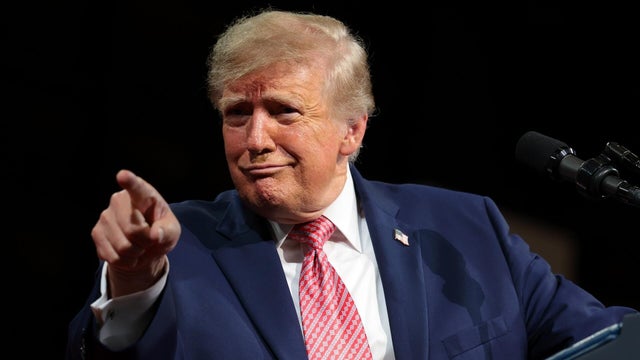
Your DOJ IG just reported this year that there was thorough vetting by DHS and by the FBI of these Afghans who were brought into the US. So why do you blame the Biden administration-- Because they let them in. Are you stupid? Are you a stupid person? Because they came in on a plane, along with thousands of other people that shouldn't be here. And you're just asking questions because you're a stupid person. And, Tom, after that, somebody else pressed the president about this, about the point that the suspect was granted asylum under his administration. And he acknowledged-- he said, once people are here, it's very difficult to remove them from the country. And so he didn't deny the fact that this person was allowed to stay here under the Trump administration. And it will be really interesting to see, Tom, what changes in policy result of this, because we know that the president is extremely frustrated today.