MEG OLIVER:
00:01:14
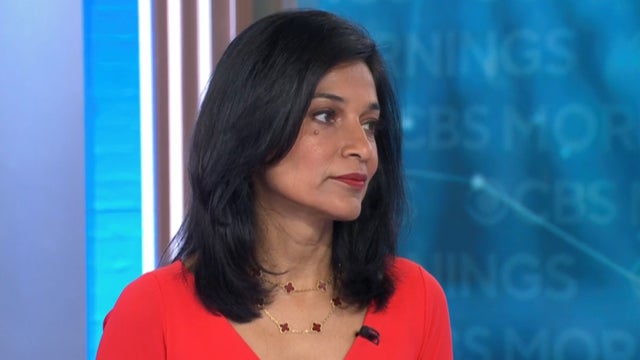
It sounds like COVID So COVID all over again, except for them in the DRC. The other key thing here is safe burials. So we saw a lot of transmission when people were basically washing the bodies to prepare them for burial rites. Those are super-spreader events for Ebola. And so having teams available to pick up people who have died, to test them, to safely bury them, that's actually a really important piece of the puzzle. So the last time the US had a major Ebola outbreak was 2014. Any chance this could reach the US? Well, we've made some decisions that make that more likely, right? We've pulled out of the World Health Organization. We haven't paid our dues. We also have essentially dismantled USAID. We do still have the CDC providing some technical expertise, with some limitations. But USAID was the real boots on the ground arm of the US government to respond in situations like this to provide the supplies, the staff, the spaces, like the Ebola treatment units, building that. So our Secretary Kennedy said he was going to put a pause on infectious diseases. Unfortunately, the world doesn't work that way. So if you are traveling anywhere in that near vicinity, what is your advice? I would avoid traveling. So specifically the places that have been affected so far in the DRC, near the South Sudanese border and also the border with Uganda. We've seen one case now in Kampala, which is the capital of Uganda. It's a major international hub. For sure we've had healthcare workers exposed, which means there's going to be many more cases. So I would avoid travel to that very specific region.
MEG OLIVER:
00:02:51
All right, Dr. Gounder, thank you so much.