Watch CBS News

Supreme Court considers redistricting case

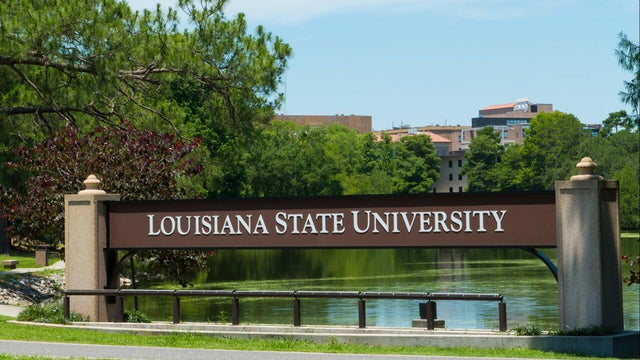
The Supreme Court is considering a case that could undermine the Voting Rights Act just ahead of the midterms. The case centers on whether race can be considered when redrawing Louisiana's congressional district lines. CBS News' Anthony Salvanto and Jessica Levinson have more.
Oct 15, 2025 (06:25)

TRANSCRIPT FOR: “EXPLAINING THE SUPREME COURT CASE THAT COULD UNDERMINE VOTING RIGHTS ACT”

NANCY CHEN:
00:02:40

Yeah, I mean, even looking ahead to the midterms, what kind of effect do you see this having, with less than 30 seconds here? This is really the place to watch. And it's in the South. It's where states could potentially draw new district lines, which would effectively draw these Democrats out of districts. And that would put more districts into Republican control, which would give them a real huge advantage going into the midterms, Nancy.

NANCY CHEN:
00:03:04

All right. Anthony Salvanto, thank you very much. And let's bring in now Jessica Levinson, our CBS News legal contributor and Loyola Law School professor. Jessica, very good to have you here with us. Let's talk more about this. Because this case deals with Section 2 of the VRA, the Voting Rights Act. Can you explain what that is and how it has been interpreted so far? Absolutely. So this is part of the landmark piece of Civil Rights era legislation. And it's really the only part of the Voting Rights Act that's still standing. And briefly, it prohibits voting practices and procedures that dilute the right to vote based on race, color, or membership in a language minority. And the way it's been interpreted has changed fairly recently. Back in 1982, Congress amended Section 2 and said that a violation of this section of the Voting Rights Act is not just based on intentional discrimination, but also based on effects. So even if you don't intend to dilute somebody's ability to vote based on race, if you have, for instance, district lines that have that effect, then you might still have a violation of Section 2. Right now, as I mentioned, Section 2 is really the only part of the Voting Rights Act that still stands, because back in 2013, the court essentially hobbled the other half, Section 5. So it's been doing a lot more work, arguably, than it used to.

NANCY CHEN:
00:04:35

So Jessica, what, then, is the legal argument that they're making for getting rid of Section 2? So the legal argument here is-- well, there's a number of different questions, but I think what they boil down to is, one, when do you figure out whether or not you have a Section 2 violation? And there's this case called Gingles that the court has relied on for a long time. And there is a question-- and the Department of Justice put this to the justices-- as to whether or not that particular test should be clarified or modified. And then, two, there's a question of, if there is a Section 2 violation, can you take race into account when you're drawing district lines that try and remedy that violation? And that's really the question at the heart of the Louisiana case. And that's what happened in this case, where a court said, we think it's likely there's a Section 2 violation. Louisiana redrew district lines. And then the challenge was you considered race too much when you drew those district lines. So Jessica, this is all happening as at least nine states have passed their own versions of the Voting Rights Act. If the Supreme Court changes this federal law, would this affect those individual states? So this is really about an interpretation of federal legislation. And it's really about when you are trying to remedy Section 2, as we talked about, do you bump up against the 14th Amendment Equal Protection Clause if you consider race either at all or too much? Could it have implications for how we later look at state versions of the Voting Rights Act? It could, but it really is about just looking at this piece of federal legislation and trying to figure out what it allows.

NANCY CHEN:
00:06:20

All right, Jessica Levinson, thanks for helping put some of this into context. We really appreciate it.

View CBS News In
CBS News App Open
Chrome Safari Continue