ANCHOR:
00:00:00
We begin this hour with new developments out of Afghanistan, where at least 800 people are dead and thousands are injured after a major 6.0 magnitude earthquake struck the country's East overnight. Yogita Limaye with our media partners at The BBC News has more on this from Afghanistan.
YOGITA LIMAYE:
00:00:18
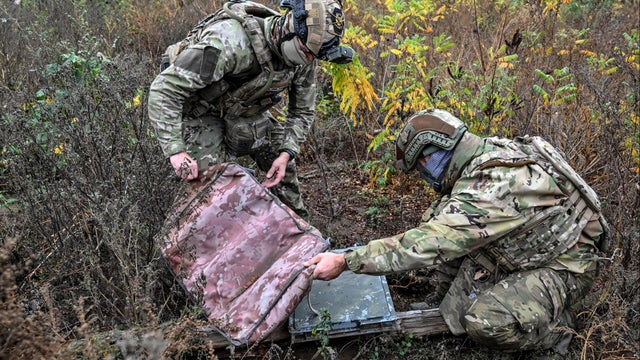
The area that is worst hit by the earthquake in the Kunar province is almost impossible to access by road, and that's why this has been a key lifeline today for the people in Afghanistan. These are helicopters that are being run by the Taliban government at the moment. What they're loading them with is tarpaulin bags. We've been told that they're being used as body bags to bring back bodies. They're also being used as stretchers to bring back the injured. And they've told us that they've done almost 100 flights today. Thankfully, the weather has been clear. And so they've been managed to fly these aircraft pretty much through the day today. We were actually trying to go to the worst affected area, and even we couldn't go beyond the point. First, there were landslides which had blocked the road. And after that, there were vehicles on a really narrow, tiny village road backed up for hours. So it's nearly impossible to get there by road. And so this is a really crucial operation here to bring back the injured and also to bring dead bodies back.
ANCHOR:
00:01:20
And for more on this, let's now bring in CBS News Senior Foreign Correspondent Elizabeth Palmer. Liz, what more are you hearing about what's happening on the ground in Afghanistan this hour?
ELIZABETH PALMER:
00:01:30
Well, as you mentioned, this was a moderately severe earthquake, 6 on the Richter scale, but it occurred in a very remote, very poor mountainous region in Eastern Afghanistan near the border with Pakistan. The houses and buildings in that area are made of mud brick. And so in a shake like this, they've simply collapsed. Furthermore, because the earthquake happened at midnight on Sunday, everybody was at home and in bed. So whole families were and are now trapped under the debris. The government said an hour or so ago that it thinks at least 800 people have died and 2,500 have been injured. But that for sure is going to rise over the coming hours as more people manage to get out. As you heard from the correspondent in Afghanistan, landslides are blocking the roads. They're not only blocking the roads for people getting out but also people getting in. Crucially, I just spoke to UNICEF. They are trying to get 15 mobile medical teams up into the mountain areas, into the worst hit areas, but they're having trouble getting through those bottlenecks of traffic, of people trying to come down to safety. So the numbers are going to rise over the next couple of days. And a very, very sad situation because the Taliban government, one of the poorest countries in the world, just doesn't have the equipment or the personnel to deal with a major disaster like this.
ANCHOR:
00:03:03
Such a desperate situation. Elizabeth, thank you.