Watch CBS News

Court keeps troops in Illinois federalized

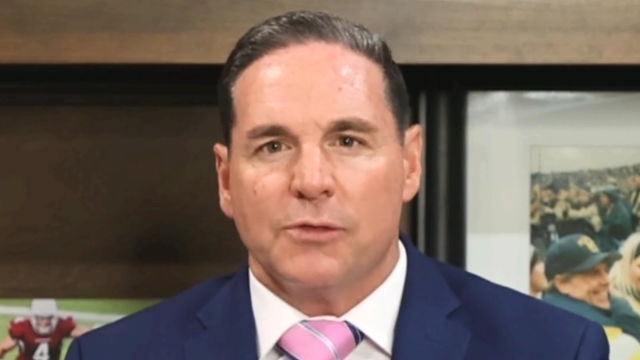
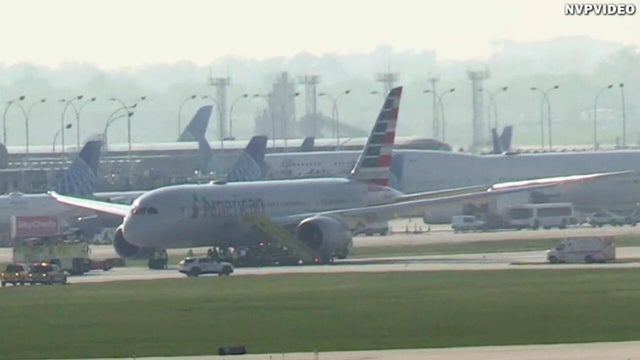
An appeals court over the weekend blocked President Trump's deployment of the National Guard in Chicago, but allowed the troops to remain under federal control for now. CBS News Homeland Security correspondent Nicole Sganga breaks down the ruling.
Oct 13, 2025 (03:16)

TRANSCRIPT FOR: “COURT KEEPS NATIONAL GUARD TROOPS IN ILLINOIS UNDER FEDERAL CONTROL FOR NOW”

NANCY CHEN:
00:00:25

Over the weekend, a federal appeals court blocked the deployment of the National Guard in Chicago. However, the court also said the troops can temporarily remain under federal control. Last week, the Illinois attorney general sued the Trump administration, claiming there are no legal justifications for that deployment. For more on this, let's bring in CBS News Homeland Security Correspondent Nicole Sganga. Nicole, very good to see you here. Can you explain what this ruling means with these troops in Chicago? What does the court mean when it says that troops are able to remain under federal control here? Yeah, Nancy, the court blocked the deployment of the Guard in Chicago. That means federal government can't send troops into the city or assign them operations like crowd control or federal facility protection. But it has allowed the troops to remain under the federal government's control. Well, what does that mean? Well, when the president federalizes the National Guard troops, he shifts their command and control from the state governor under title 32 to the federal chain of command under title 10, effectively placing them under the authority of the president and the secretary of defense. By allowing the troops to remain under federal control, the appeals court allows Guard members to be legally a part of the US armed forces, for now. They can continue training, staging, or standing by, but they can't be sent into the field or assigned to law enforcement or security duties in Chicago. And by the way, Nancy, we should point out these Guard members left, presumably, well-paying jobs, some of them in the state of Texas, some of them in Illinois. They are not being paid right now, given the government shutdown. And, Nicole, we also just heard Vice President Vance there saying that President Trump is still weighing all of his options when it comes to troop deployments in other US cities, which does include the potential use of the Insurrection Act. What would that look like, and do you know if it's ever been used in this kind of capacity before? Yeah, the Insurrection Act gives the president the authority to deploy US military forces domestically, active-duty troops, or federalized National Guard to restore order in cases of rebellion or widespread obstruction of federal law. It's essentially the legal exception to the Posse Comitatus Act, which otherwise bans the use of federal troops for policing. Now, if President Trump invoked it, it would allow him to deploy active-duty military forces within the US without a governor's consent. Practically, it could mean sending federal troops to city streets in Chicago or Portland to perform arrests, taking on duties that police normally do. It hasn't been used in more than 30 years. And, Nancy, it's never been used before over the objection of a state government in peacetime. That's why some legal experts say using it now would trigger some constitutional challenges.

NANCY CHEN:
00:03:12

I can imagine. Nicole Sganga, thank you very much.

Videos
View CBS News In
CBS News App Open
Chrome Safari Continue