Watch CBS News

Concerns about health care costs

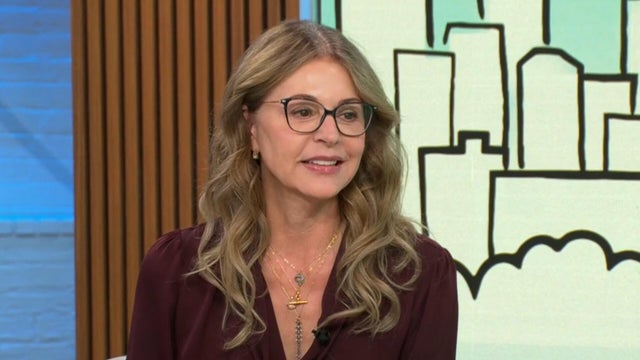
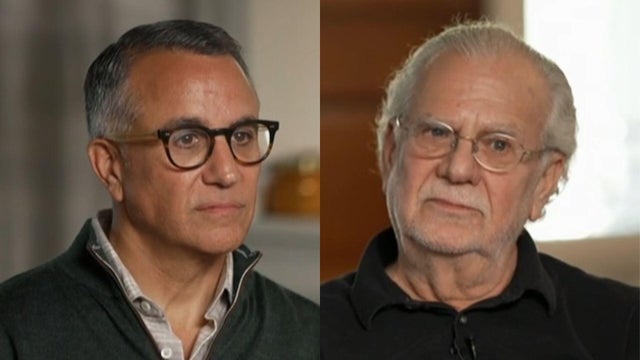
According to a recent KFF poll, two-thirds of those surveyed say they worry about not being able to afford health coverage and more than half say costs have gone up in the past year. Renuka Rayasam, senior correspondent at KFF Health News, joins CBS News to discuss.

Feb 5 (04:00)

TRANSCRIPT FOR: “CONCERNS ABOUT HEALTH CARE COSTS AFTER AFFORDABLE CARE ACT TAX CREDITS EXPIRE”

LINDSEY REISER:
00:01:15

Wow. Another woman in Tennessee said her premium for her ACA plan jumped tenfold, and she was gonna have to drop coverage altogether as well. And so a lot of folks are feeling the immediate cost of that. But health care costs overall are rising. And that's true for people, whether they're in Affordable Care Act plans or whether they have employer-sponsored coverage or whatever type of coverage they have. Health care costs have risen 26% this year. And that's due to a variety of factors. So a lot of people like to blame insurance executives. They get the brunt of the blame. But the reason costs are rising is that health care is just more expensive. So higher hospital costs. GLP-1 drugs like Ozempic are pricey and popular, and that's driving up costs in health care plans. And people are dropping insurance. And that's also driving up costs for the people who are left in these insurance pools.

LINDSEY REISER:
00:02:10

And so what can people do if they find themselves uninsured or unable to afford their premiums? So all of the analysts I talked to said, number one, do everything you can to find coverage, even if you have a plan that has a low premium and a high deductible. That means high out-of-pocket costs. Try to do that first. Because that will protect you in case you have a really, really big bill, something, a big emergency. OK, barring that, so you don't have insurance, you find yourself without coverage for the year, there are a few things you can do. Number one, talk to your doctor. A lot of people may be embarrassed to talk to their providers about the fact that they're paying out of pocket, but a lot of providers offer cheaper cash pay options. And they might shuffle around how they do your treatment plan. So they might order an ultrasound, which is less expensive, instead of an MRI. The doctors we've spoken to said they're not going to skimp on care, but they might just rethink what they do. If that doesn't work, if your doctor is not willing to budge there, then head to a place that is used to treating uninsured patients. So these are your federally qualified health centers, your community health centers, places like that that are used to this. Another thing to think about, if you get a prescription or you have a prescription, don't just head to your local pharmacy. Shop around. So it's easier to shop around for drugs than it is for doctors. You can go to your big-box retailers, like Walmart, Costco. A lot of these big-box places will offer generic versions of your prescription. Or there are sites that allow you to comparison shop. Or you can go to the drugmaker's website themselves and look for coupons and discounts. So there's a few different things you can do. That's just some of the options we've outlined in our story on this.

LINDSEY REISER:
00:03:54

A little bit of legwork, but we appreciate it. Renuka Rayasam, thank you so much. Thank you for having me.

View CBS News In
CBS News App Open
Chrome Safari Continue