Watch CBS News

Breaking down the Thailand-Cambodia conflict

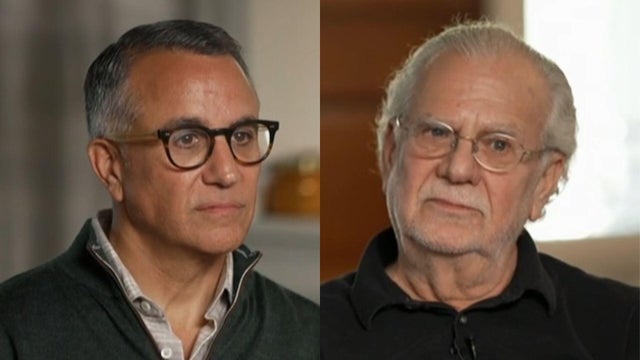
Deadly lashes continue at the Thailand-Cambodia border. Greg Poling, a senior fellow and the director of the Southeast Asia Program at the Center for Strategic and International Studies, joins CBS News with his analysis.
Dec 9, 2025 (04:56)

TRANSCRIPT FOR: “BREAKING DOWN THE THAILAND-CAMBODIA CONFLICT THAT TRUMP CLAIMS HE ENDED WITH CEASEFIRE”

VLADIMIR DUTHIERS:
00:01:30

So, Greg, can you just give our viewers the historical context here, why these two nations are trading-- why they are attacking each other over this disputed border area, which has a lot to do with colonial-era redrawing of maps and ancient and historical ties to the region for people on both sides of that border? That's right. This dates back more than a century. When France was the colonial power in Cambodia, they had somewhat imposed a border demarcation on the independent Kingdom of Siam, which became Thailand. The Thais have never really accepted that, and the maps that they prefer to use now are different. Cambodia prefers to use these old French maps. Thailand has its own set of maps, and they sometimes show the border hundreds of yards apart, which in a few key places means that very symbolically important temples and temple grounds are under dispute based on whose maps you look at.

VLADIMIR DUTHIERS:
00:02:27

And so then what about the people that live around and in this disputed area? We know that thousands are being displaced as both of these militaries fire upon each other. What are they doing? Where are they going? And sort of what's happening to them? Right. This is a humanitarian catastrophe for border communities on both sides. They've had to flee because of artillery fire, airstrikes, particularly from the Thai side into Cambodian territory. We've had dozens of civilians killed or injured since July, and many of them are living in temporary facilities, either run by Thailand or by Cambodia, with very little prospect of a safe return for the medium term.

VLADIMIR DUTHIERS:
00:03:12

So moments ago, the secretary of state, Marco Rubio, said in a new statement that the US is concerned about the fighting and the casualties, and he urged an immediate end to the hostilities and for both sides to return to their October 26 peace accord. I've also seen chatter on social media that seems to indicate that the Cambodians have even told their military-- the Cambodian government-- to try and maintain some level of discipline. But it does feel like it depends on where, if you are-- it depends on-- the perspective of this story depends on which side of the border you're on. Obviously, the Thais are accusing the Cambodians of laying those mines. The Cambodians are saying aggression is coming from Thailand. So just objectively speaking, how does one sort of parse what the two sides are saying to find the ultimate truth? So from the outside, I'll be honest, it's all but impossible to know what exactly provoked any given round of fighting since July. The one thing we can say is that the Thais have called in foreign observers and shown them these landmines that are obviously new, which contests the Cambodian claim that all of these things are decades old and Thailand is hyping it. So that's one thing we do know. The US role is complicated by the fact that Cambodia really wants the US role here, and Cambodia is the one that nominated President Trump for the Nobel Peace Prize. The Thais do not want a US role here.

VLADIMIR DUTHIERS:
00:04:34

Really interesting. Greg, thank you so much for coming on to talk to us about this. I think this is sort of a story that hasn't been covered all that much in the national media, and I definitely wanted to shed a light because of what you indicated, that humanitarian crisis that is happening in that area, people who now have nowhere to go because of the fighting. Thank you very much for joining us. Thank you.

View CBS News In
CBS News App Open
Chrome Safari Continue