NEWS ANCHOR:
00:00:02
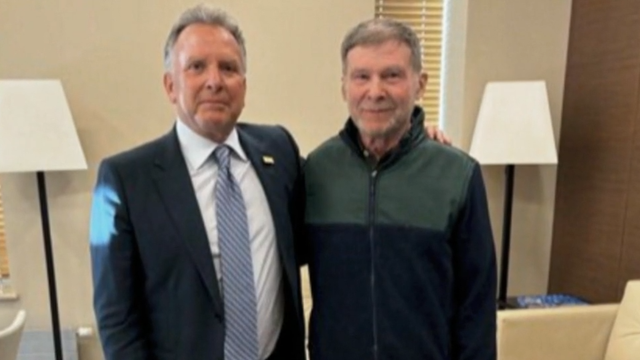
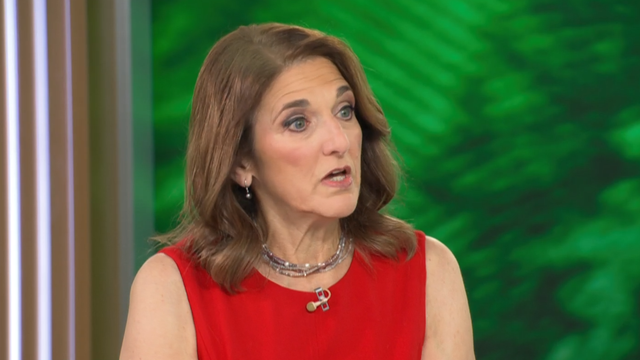
One day after two researchers warned that AI could kill all humans, Anthropic reports that it blocked possible efforts to create biological weapons. The company says it disrupted several potential plots by scientists who used its AI to research the development of biological pathogens. Anthropic says it could not determine if the research was legitimate or malicious, but erred on the side of caution. I want to bring in Andy Weber, a senior fellow on the Council on Strategic Risks. Andy, you reviewed Anthropic's report. What did it reveal? Well, it showed scientists possibly associated with state biological weapons programs. Now, remember, biological weapons are banned by an international convention. But countries like Russia, North Korea, and China have illegal bioweapons programs. And so it appears that scientists associated perhaps with those programs were trying to evade the guardrails to make better biological weapons. So what could be done to mitigate this AI threat on biological weapons? Is it government regulations, more rules for different countries to break? Is it an alert system if that technology is being used to build those different types of weapons? What can be done here? Well, the leading Frontier Labs, the US companies developing AI at the cutting edge, have been very responsible. They have teams dedicated to threat intelligence, to ensuring safety, creating guardrails, and monitoring for misuse, which is in this case what they were able to discover was deliberate misuse. So also, these new tools enable us to increase our bio defense. We are terribly underinvested. The Department of Defense spends way too little money on developing new vaccines and therapeutics and biosurveillance for early detection of outbreaks. We should increase our investments in biodefense up to I've been calling for 1% of the United States defense budget and encourage our allies and partners to do the same. Yeah, it's important to remind our viewers that Anthropic identified this. It wasn't the government. It wasn't the FBI. So is it the company's responsibility to flag these different risks that are happening here? Well, they're acting in a very responsible way that shows that they're concerned about mitigating these risks and sharing these lessons. This is really the first time actual cases like this have been revealed in public. And I think it is very important. One problem we have, the US government could do a better job of regulating against misuse. But when President Trump meets President Xi from the People's Republic of China later this month, he should also raise this because the Chinese AI companies are less sensitive about the risks. And they're not putting the same guardrails on their "open weight" models. So in an ideal world, would you think that there should be global rules and regulations when it comes to this type of technology, then? I do think so. It is so dangerous that we need to make sure that we have our eyes open about the risks of misuse, not just by illegal state programs like the Russian, Chinese, and North Korean biological weapons programs, but also by nonstate actors, by terrorist groups, or apocalyptic cults. So we need to be sensitive to the uplift that this provides to small groups and individuals, too. How realistic do you think that is, that that would actually happen? I think it's unfortunately chillingly realistic. Andy Weber, thank you so much. Thank you.