Watch CBS News

U.S. reading scores plummeting

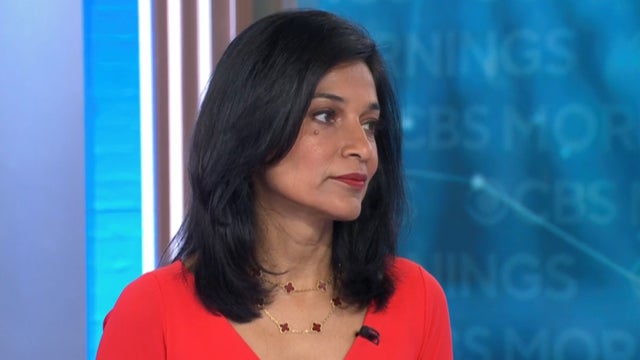
New data shows American students continue to fall behind their international peers in reading. The 2025 Program for International Assessment found that 15-year-old students' reading scores fell by 14 points since the last test in 2022. Lauren Lumpkin, national education reporter for the Washington Post, joins CBS News to discuss.

Sep 9 (04:00)

TRANSCRIPT FOR: “AMERICAN STUDENTS' READING SCORES FALLING BEHIND INTERNATIONAL PEERS”

ELIZABETH COOK:
00:00:00

New data shows American students continue to fall behind their peers in reading. The 2025 Program for International Assessment found that 15-year-old students' reading scores fell 14 points from the last time the test was administered in 2022. US math scores were also among the lowest since the tests began in 2000. Now, in every measure, American students are outperformed by students in Singapore and in parts of China. Lauren Lumpkin is the national education reporter for the Washington Post,and she joins us now. Lauren, thank you for being with us. We expected these numbers post COVID. Are students still recovering, though, or is there something else at play? Because the scores actually went down from 2022. It's interesting because there's so many different factors. The pandemic, of course, continues to affect students, even though we are six years out from the time when schools shuttered and everyone went into virtual learning. We're still seeing a lot of the consequences of those shutdowns and the disruptions from that learning. But there's also so many other things. I mean, when it comes to reading, for example, the way reading has traditionally been taught in this country is a factor. You look at devices and attention span and technology. There's so many, it's hard to pinpoint one single cause. There's definitely like a few different factors going on that are kind of contributing to these results. OK, so what's it going to take to get students back on track? You brought up a really couple of really interesting points here, the strategy on how we're actually teaching children how to read, but then also you brought in the tech component to that. Not only are people using their phones, especially teenagers, but there's also tools when it comes to learning that are on our phones and through AI and technology. So what can be done? So I think on the first part about how reading is taught, over the last several years, schools have been changing their approach. You probably have heard something about the science of reading, which is basically phonics and, really, research-backed methods of teaching reading that actually haven't historically been taught, but now a lot of schools have been gravitating towards that model. That's typically seen in younger grades. A lot of the reporting I've done, I've been looking at third-grade classroom, second-grade classrooms. So maybe in this most recent test, the PISA exam, 15-year-olds are taking it, so maybe we won't see exactly the effects of that quite yet in that age group. But definitely the younger kids, when you look at American standardized testing, you can see that there are some kind of bright spots, especially with younger students. And then on the technology piece, I mean, a lot of schools are-- I mean, cell-phone bans, that's one way to keep distractions out of the classroom. A lot of schools, of course, right now are trying to figure out how they want to manage tech and AI, and I think there's kind of a lot of trial and error right now. But I think the biggest thing kind of when I talk to teachers and superintendents and principals, it's really a focus on finding out-- using technology that actually works, not just using technology for the sake of using it but using it because the research indicates that it is actually benefiting students in a positive way. And what can parents do at home? One thing, I recently reported about this trend of novels not being taught as frequently in schools, and this kind came up on this PISA exam where there's instances-- they call it hasty reading-- had doubled since the last time the test was administered. And, basically, that means that students are kind of reading through a passage really quickly, but they're not answering questions accurately, which probably indicates there's a comprehension issue. And so one thing-- when I talk to experts about this, it's kind of like reading at home and encouraging your child to read because they may not be getting as much exposure in their classroom to novels. So something parents can do is carve out some time, Read with their kids and encourage their kids to read longer texts because that's not happening quite as often in the classroom. Lauren Lumpkin, thank you so much. Thanks for having me.

View CBS News In
CBS News App Open
Chrome Safari Continue