Watch CBS News

9/11 responder recounts rescue efforts

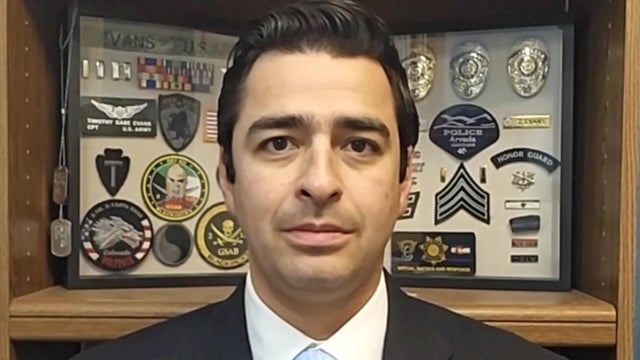
Richard Palmer, a retired warden at the New York City Corrections Department who assisted with evacuation efforts on 9/11, joins "The Daily Report" to tell his story as NYC Mayor Zohran Mamdani says residents were misled about air quality in the aftermath of the attacks.
Sep 8 (05:41)

TRANSCRIPT FOR: “9/11 RESPONDER RECOUNTS RESCUE AND RECOVERY EFFORTS, HEALTH STRUGGLES AFTER ATTACKS”

LINDSEY REISER:
00:00:44

Joining me now is Richard Palmer. He's a retired warden at the New York City Corrections Department. On 9/11, he raced to the scene and helped evacuate people from the World Trade Center and was sickened by toxic dust. Before we get into the health issues that you and your friends have been experiencing, what did you see and do on September 11 that a lot of people may not realize the unsung heroes, including corrections officers, who responded? So that day, I responded to the street after the first plane hit the tower. I was working at 60 Hudson Street, which was the Correction Department headquarters-- myself and about 40 other staff members assisted NYPD in the street, keeping people out from getting hit by vehicles. And we did that for a while until the second plane came from behind while we were in the street and blew out the second tower. And then we continued-- now you have both buildings on fire, and we continued evacuating people out of the street. And then we witnessed people jumping out of the towers. I didn't go down to ground zero until later on after the towers collapsed. So I didn't rescue anybody down at ground zero. But the commissioner called us and told us to get out of the street because there was a possibility the towers were going to come down. We went upstairs, back to our offices, and we witnessed both towers imploding. And Manhattan turned into nighttime. And then that's when Correction Department kicked into gear and we started thinking we had to lock down Rikers and start getting materials ready to bring down there. We called in all emergency service staff and started evacuating, getting supplies together to bring down on a convoy. And that's what we did. So when commissioner and my staff got down to ground zero about an hour later after they imploded, there was no lights. There was going to be nothing down there that night. So we called Rikers. We had 80 generators put on trucks. We had the five gallon bottles of water loaded to the trucks. We had food, we had blankets, we had towels, we had washcloths, you name it. And then we had a convoy of vehicles and stuff going down to ground zero. But in the meantime, Stuyvesant High School was now the command center. And our Corrections Department got Stuyvesant High School up and running-- our maintenance staff, our telecommunications, got the phone lines and fax machines up and running. They put temporary generators outside. But then we were tasked with the morgue operation, 24 hours a day, seven days a week. So we had correction officers, captains, assistant deputy warden, and deputy warden in command, who was the commanding officer-- we had the correction officers union there. We had the captains union. Everybody helped out. So we were tasked with the morgue 24 hours a day. So anybody that was found, any parts that were found, put into body bags. And correction also brought the first 500 body bags down to ground zero. Being that correction, Rikers Island, is by LaGuardia Airport, we did that. But then we were tasked with putting a team of emergency service guys at the landfill where all the debris was taken. So we had guys there from 7:00 in the morning to 7:00 at night that were trained in emergency service. What has the fight been like to get health care and just the fight against these illnesses that we're seeing? So I got sick in 2006 and started fighting with Congress and the Senate, along with a team from the FealGood Foundation and my correction guys, we went to DC for 12 years fighting for the health care. I myself made over 100 trips, had over 1,300 meetings, along with two of my captains, Phil Rizzo and Montu, another captain friend of mine. We made a lot of trips. And we rotated different correction guys, but we had a core of 60 uniformed civilian widows that went down. And we started it in 2010. We got the first bill passed, and it was good for five years. And then we had to go back again in 2015 fighting the same battle. But now we had evidence to show that the cancers are coming out. So we finally got cancers added.

LINDSEY REISER:
00:04:48

What still needs to be done? Well, I think with all the studies they do, I think there's additional illnesses that need to be added, and cardiac being one of them. Cardiac neuropathy, a lot of guys are getting dementia. There's a lot of studies being done, a lot of money being spent that's not being added to the bill. And I'm a cardiac patient. I have severe cardiac-- I had a quadruple bypass. I have eight stents in my heart after that, along with other breathing issues from 9/11. And I just think there's too many young guys that have heart issues and that aren't covered. And it's affecting-- there's enough studies out there between the fire department and the World Trade Center to show that this should be added to the bill.

LINDSEY REISER:
00:05:36

Please keep us posted. Thank you so much for coming on. OK. Thank you.

Videos
View CBS News In
CBS News App Open
Chrome Safari Continue