Venezuela's vast oil reserves draw interest, but benefits remain unclear

While former Venezuelan President Nicolás Maduro's criminal charges play out in federal court, the oil industry has its sights squarely set on accessing Venezuela's oil supply — but who stands to benefit from that access?
One expert says there isn't a quick answer to that.
There is no 100% guarantee that Venezuela's oil reserves are completely accessible. Figuring that out, experts say, will be step one in figuring out who will benefit and when.
What "oil reserves" really mean
First things first, when we talk about oil reserves: we're talking about an estimated amount of crude oil that can technically be extracted from the earth, not refined barrels already stored somewhere for safekeeping.
Venezuela is said to have the largest amount of these reserves in the world, estimated at about 300 billion known barrels beneath the surface of what is known as the Orinoco belt.
"How much of that is accessible, what kind of shape their infrastructure is in," said Brude Bullock, the director of the Maguire Energy Institute at SMU in Dallas. "Those are all questions that are going to need to be answered in the coming weeks."
Bullock says it's a little too early to tell how much of that oil the U.S. can get on the market or how easy or expensive it might be.
Role of U.S. oil and engineering companies
The job to figure out the amount of accessible oil will be on American companies that previously had leases with Venezuela over those reserves and had those agreements terminated because of geopolitical reasons.
Re-establishing agreements, mobilizing crews and experts, and rebuilding the hardware to get the work done won't be easy, according to Bullock.
"A lot of that work will not just be done by U.S. oil companies," he said. "A lot of it will be done by contractors, companies like Halliburton, Bechtel, any number of other types of engineering companies that actually come in and repair that kind of infrastructure."
That is a sentiment echoed by CBS News business analyst Jill Schlesinger
"This is a country that has reserves," Schlesinger said. "They are expensive to get out of the ground, and it's a long haul to make that into a money-making venture for U.S. companies."
Venezuelans may benefit first
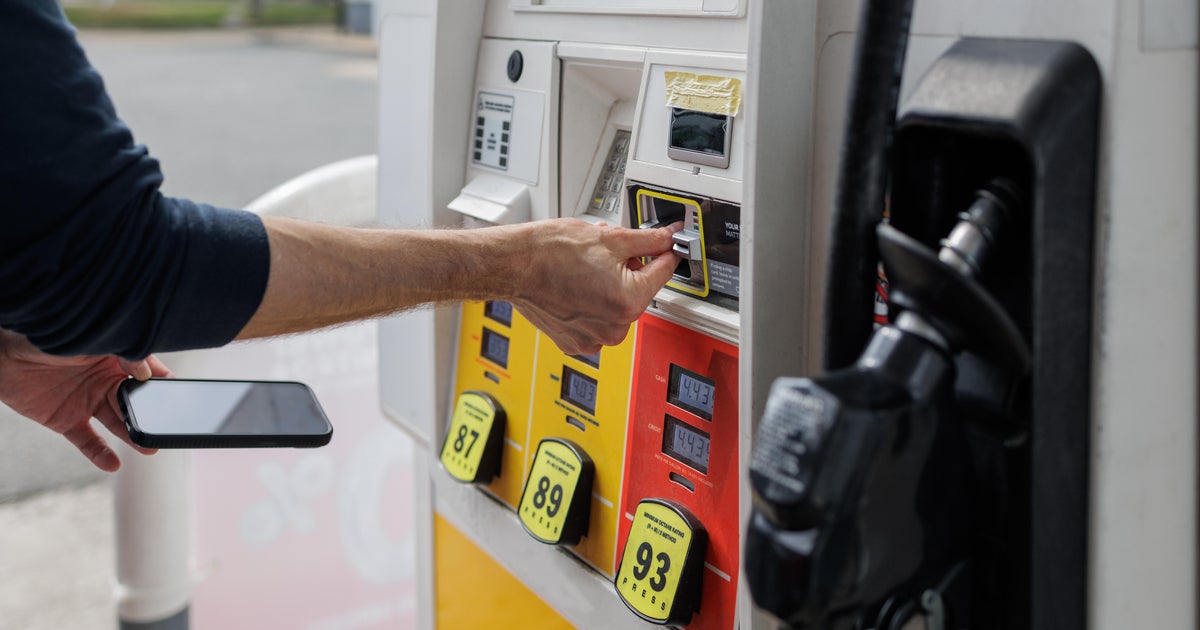
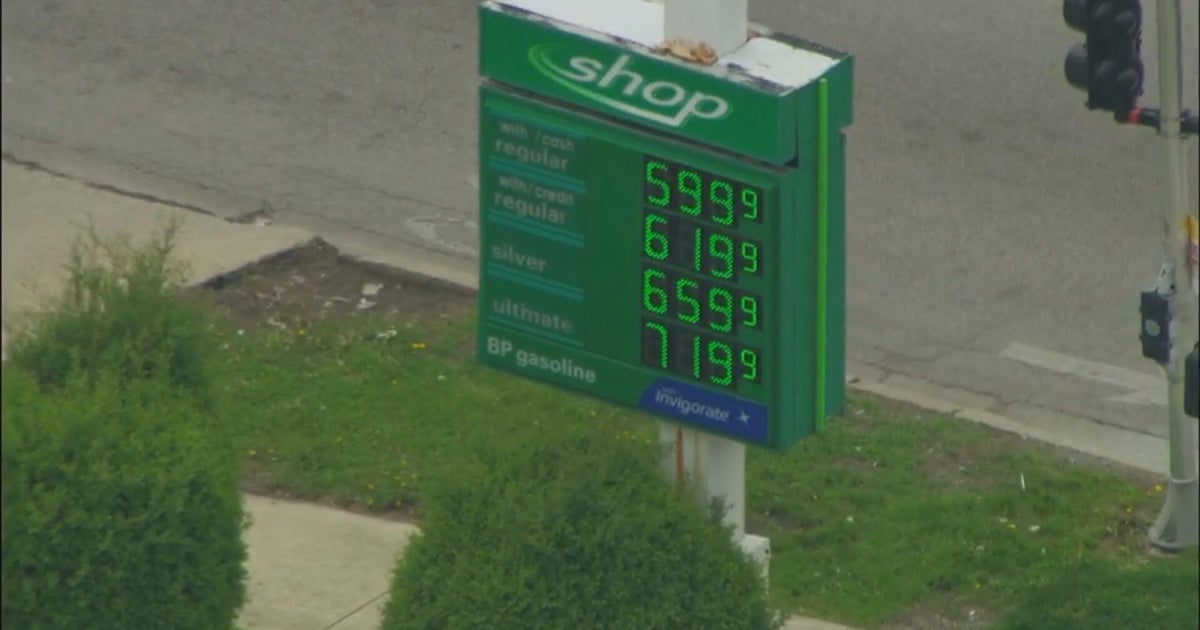
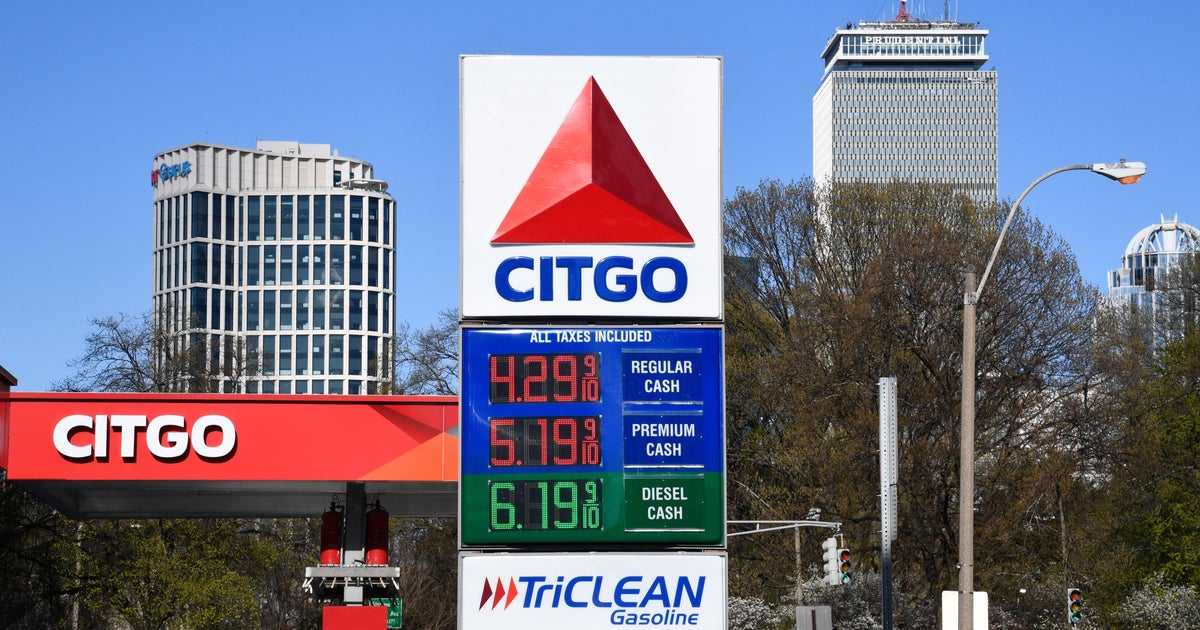
In the meantime, experts say don't expect cheaper gas prices at the pump in the U.S., and if, in fact, oil production flourishes again, it will be Venezuelans who stand to see the impact first by way of a jump start to their current economy.
It's important to point out that some experts estimate Venezuela used to produce 3 million barrels of oil a day, some 25 years ago, before sanctions and restrictions.
Currently, it's down to just 1 million barrels a day.