North Texas dad survives sudden heart attack; now urges others to listen to warning signs during holidays
It's the Christmas surprise that no one wants to unwrap: a heart attack, and it happens more often than you may realize.
According to the American Heart Association, more people die of heart attacks on Dec. 25 than on any other day of the year.
"People tend to deviate from their routine, traveling, forgetting to take their medications that they're supposed to," said Bentley Heart cardiologist Dr. Fahmi Farah.
And then there's the typical holiday temptation to overindulge.
"Food tends to be a little bit unhealthier: high salt content, drinking a lot of alcohol," Farah said. "All of those can play a role, as well as stress. People tend to be very stressed out during this time of the year."
And who wants to interrupt Christmas dinner to go to the hospital? But ignoring those symptoms carries a serious risk: just ask Kyle Riggs of Fort Worth.
A Fort Worth survivor's warning signs
"No family history of heart disease. Nonsmoker. [I] worked out quite a bit, all those things," said Riggs. "I had no reason to be worried about a heart attack."
Until it happened to a healthy, active, thirty-something.
That was 6 years ago. Looking back, Riggs can now admit that his body had been warning him all day.
"I thought maybe I was just dehydrated because I was working outside, you know, sweat too much and maybe pulled a muscle or something like that," he said. "So, I just kind of ignored it and powered through the day."
With his family waiting in the car, Riggs even ran into a grocery store on the way out to dinner to buy aspirin.
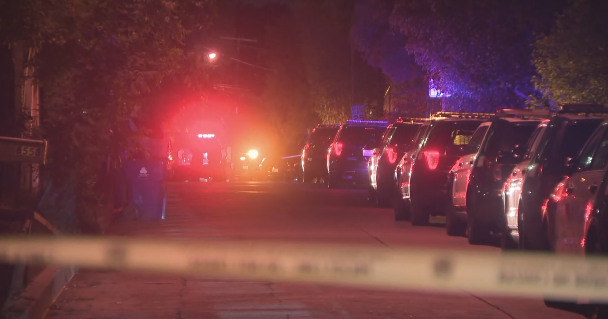
"Got to the pharmacy aisle and just collapsed face down in cardiac arrest," Riggs said.
Some quick-thinking customers began CPR, and fortunately for Riggs, there was a fire station just across the street.
He spent three days in a medically induced coma but was able to make a full recovery. Now, he says he wants to share his sudden heart attack story to warn others.
"My wife and I, we feel like there's a reason I'm still here today. And part of that reason is to help spread awareness of the importance of listening to your body and not ignoring symptoms, like I did," says Riggs, "And the importance of learning CPR and how it's truly a lifesaving, lifesaving process."
The warning from Riggs is especially timely as we head into the holidays. Not only is Christmas Day the deadliest for cardiac arrest, but the next busiest day is also the day after: Dec. 26, followed by New Year's Day.
So let the dinner wait.
When to stop celebrating and seek help
"When it comes to heart attack, time is life," said Farah, who treats patients in Dallas, Fort Worth and Argyle. "So, if you're having signs and symptoms, even though you don't want to be the person to interrupt dinner, it's very vital that you do seek help when you need to."
Along with recognizing and acting on symptoms, the American Heart Association also suggests that everyone learn hands-only CPR, celebrate in moderation, and work to reduce the holiday stress, whether the source is difficult family gatherings, financial strain or overscheduling.
Other AHA tips include remembering to take prescribed medication and stay active, and that could be as simple as a family walk.
"I know everybody gets involved with their families on the holidays and is having fun, but it's just you cannot ignore it like I did," said Riggs, "or it can catch up with you in a very bad way."