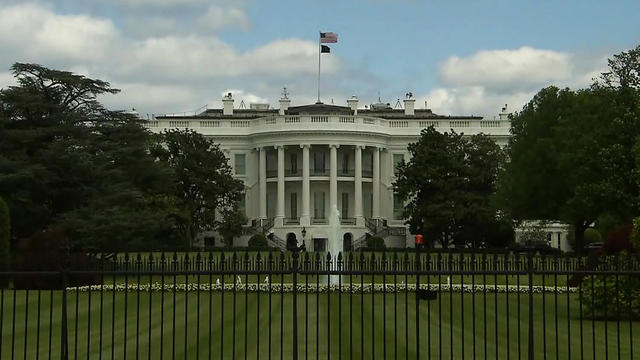
Why we refer to the president as "Mr."
We often get asked about the way we identify the president…
Watch CBS News
We often get asked about the way we identify the president…
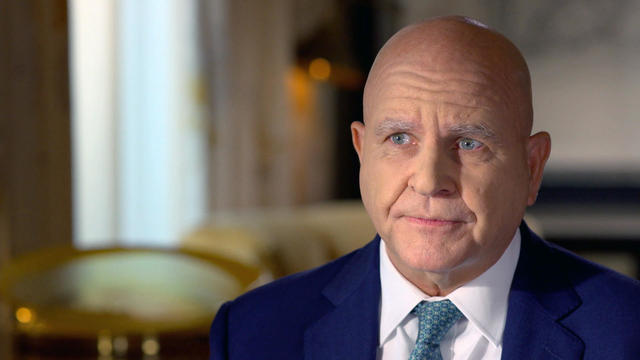
The former national security adviser speaks with Scott Pelley about China, Russia, his decision to serve under President Trump and a host of other topics in a wide-ranging interview.
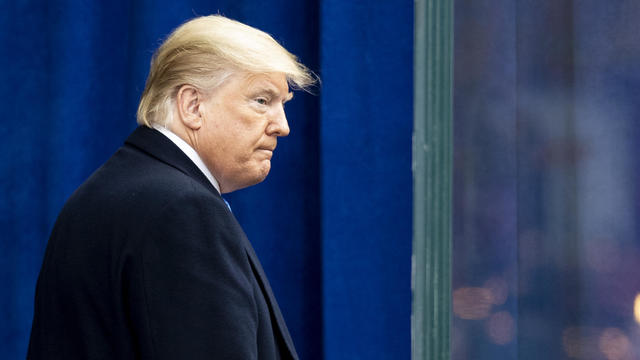
In taped conversations with a Washington Post journalist, President Trump said he wanted to downplay the severity of the coronavirus. And the recordings reveal the President's view on how close the United States came to nuclear war with North Korea. Scott Pelley reports.

St. Nicholas Greek Orthodox Church and the iconography it housed were destroyed in the attack on the World Trade Center. After almost two decades, the church is rising again with new iconography from a monastery on Mt. Athos.
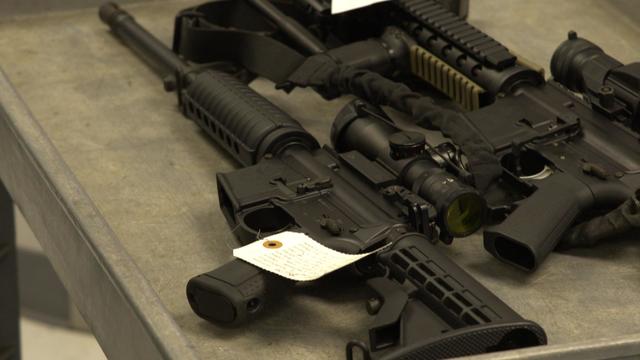
Red Flag gun laws allow temporary confiscation of firearms if a gun owner displays dangerous or threatening behavior. The laws have been adopted in 19 states and the District of Columbia, but in Colorado, there's been fierce controversy

Scientists and veterinarians from China and America are working together to restore the giant panda population.

In the northern highlands of Ethiopia stand 11 churches that the Ethiopian Orthodox Church says were built by angels.
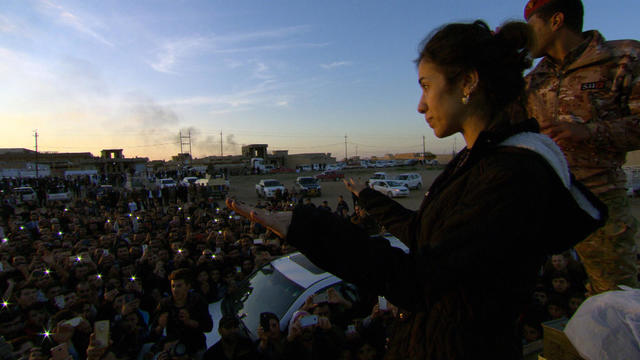
The 2018 Nobel Peace Prize recipient tells "60 Minutes" why she and her lawyer, Amal Clooney, want ISIS tried for war crimes and genocide.

In 2014, 298 people on a passenger jet were killed when an anti-aircraft missile targeted them as they passed over Ukraine. Scott Pelley reports on the details of the flight and the investigation that's followed.

In 1921, a thriving black neighborhood in Tulsa, Oklahoma, burned, leaving hundreds dead.
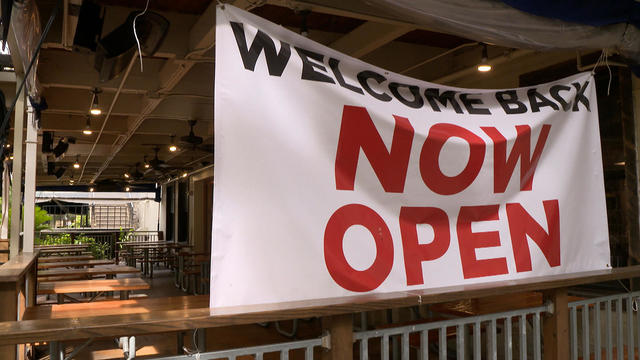
States across the country are reopening businesses after months of lockdown due to the coronavirus pandemic. San Antonio, with the rest of Texas, began reopening in May and could provide a snapshot of what's to come for other American cities.
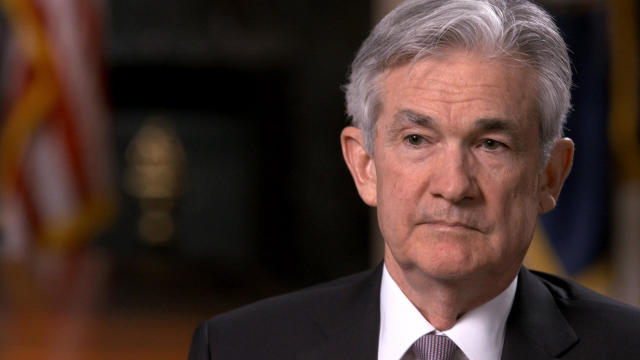
The head of the U.S. central banking system tells Scott Pelley how high he thinks unemployment will go, what tools the Fed still has to breathe life into the economy and what outcomes he's trying to avoid on the road to economic recovery.
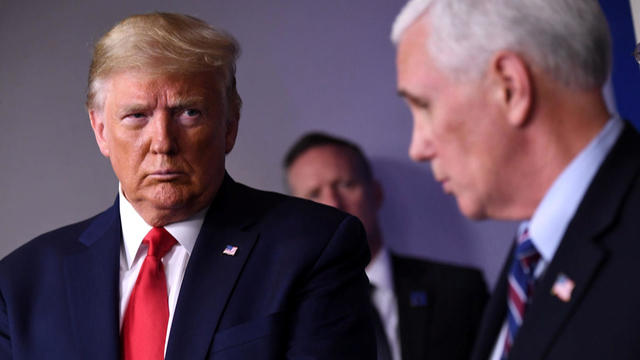
An American scientist who collaborates with the Wuhan Institute of Virology had his grant terminated in the wake of unsubstantiated claims that COVID-19 is either manmade or leaked out of a Chinese government lab.
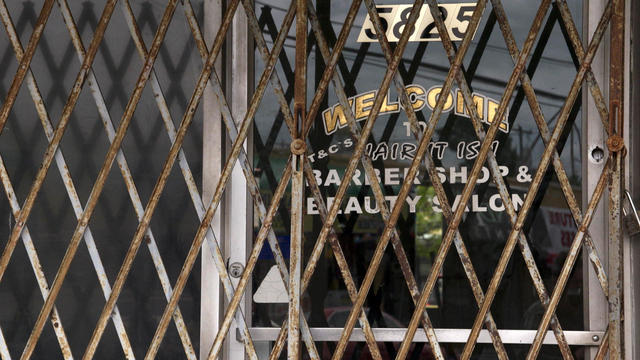
30 million Americans filed for unemployment in the last six weeks, as the pandemic ground the U.S. economy to a halt. Scott Pelley met a few of the many who are trying to get back on their feet.

Refrigerated trailers are housing the dead as makeshift morgues in New York City, but antibodies in the blood of those who've recovered from COVID-19 may help bring relief to the pandemic.