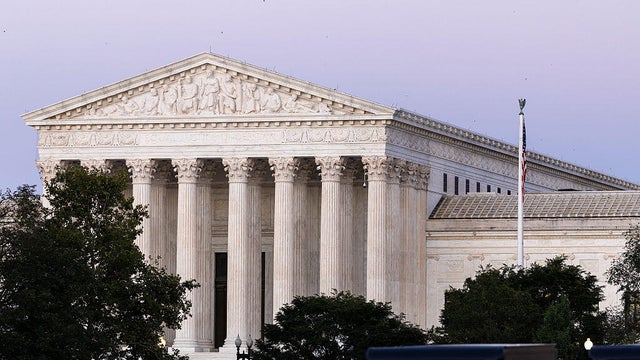
Supreme Court lets Trump administration use SAVE database for now
In a 6-3 decision, the Supreme Court sided with the Trump administration in its push to use a controversial database to review state voter rolls for potential noncitizens.
Watch CBS News
In a 6-3 decision, the Supreme Court sided with the Trump administration in its push to use a controversial database to review state voter rolls for potential noncitizens.

The Trump administration urged the Supreme Court to revive its policy of deporting some migrants to places other than their country of birth.
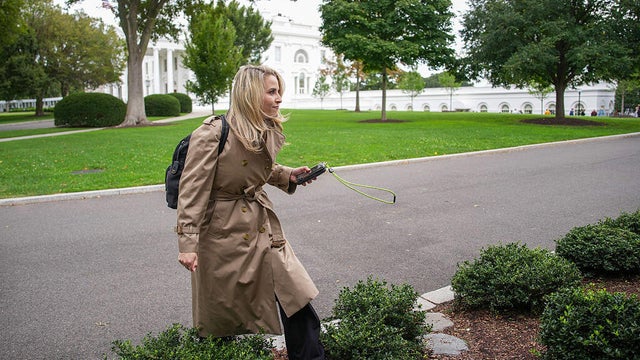
Reporters whose White House access was revoked were allowed to enter the complex again, hours after a judge ordered the Trump administration to restore their press credentials.

A federal judge signaled he is skeptical of President Trump's ban on CNN, MS NOW and Politico from White House grounds.
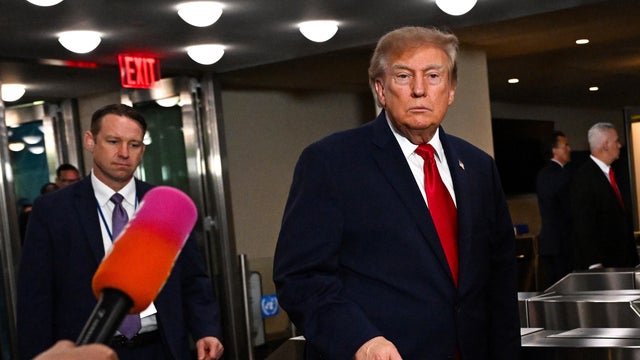
The Justice Department claimed that reporting from CNN, MS NOW and Politico raises national security concerns and accused their journalists of failing to act with "professionalism and decorum."
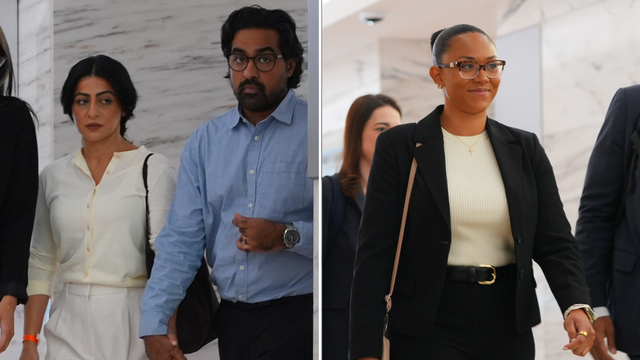
Justice Elena Kagan declined a request from a surrogate to intervene in a custody dispute with a California couple.
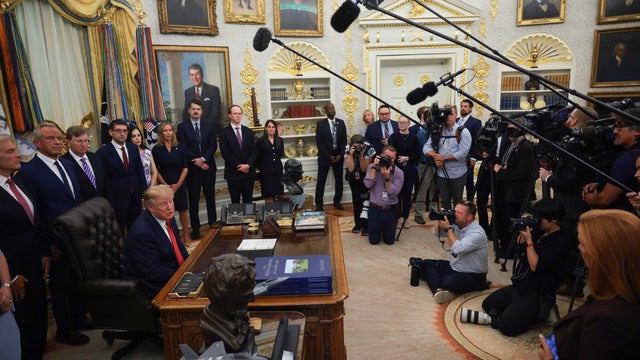
President Trump's move to ban CNN, MS NOW and Politico from the White House has highlighted the role of the press pool.
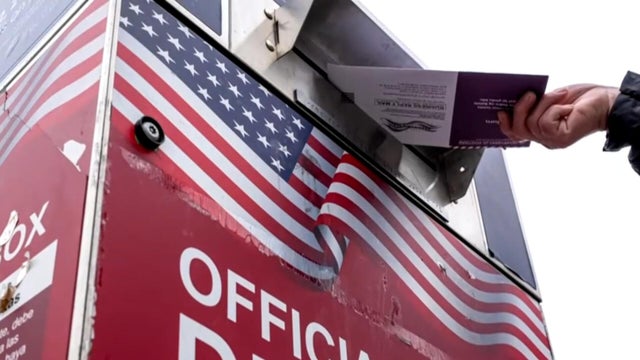
The Supreme Court left intact a ruling that blocked the U.S. Postal Service from enforcing new regulations for mail voting, rejecting the Trump administration's effort to move forward with the rules in the midterms.
A federal judge extended her block on the U.S. Postal Service's new requirements for mail voting, as states prepare to begin sending mail ballots to voters for the November midterm elections.
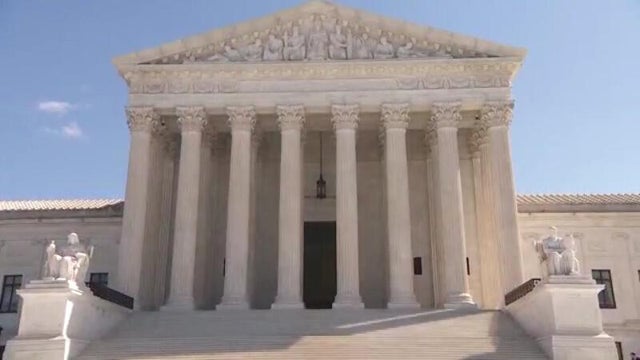
The Supreme Court left in place guidance from the Federal Communications Commission that allows political parties and committees access to cheaper rates for political ads.
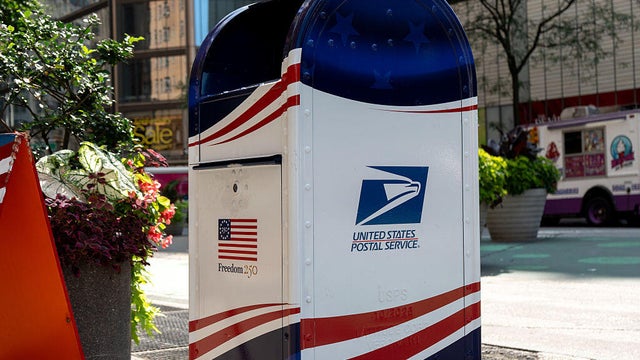
The Justice Department asked the Supreme Court to intervene in an ongoing legal battle over U.S. Postal Service rules for mail ballots just weeks before the November midterm elections.

One official in California said that scanning individual ballots for every voter in the state would take roughly 43 years based on the Postal Service's estimates.
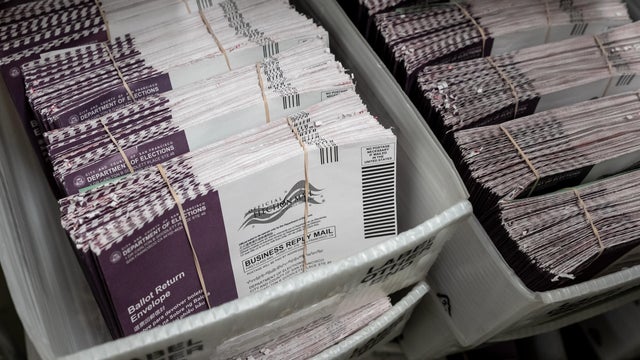
A federal judge is considering whether to continue blocking a U.S. Postal Service rule imposing new requirements for mail voting.
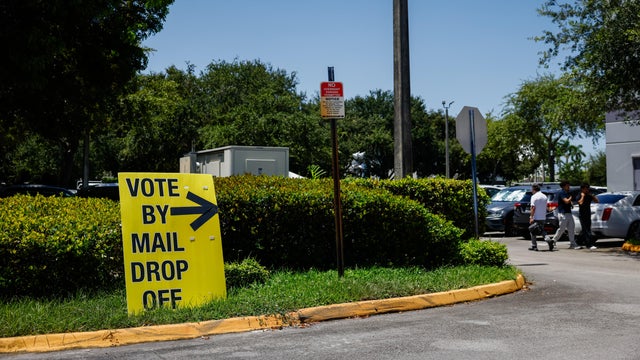
The whistleblower, described by lawyers as a federal official, disclosed information about the Postal Service's new mail-voting procedures to Democratic Sen. Richard Blumenthal of Connecticut.

The Supreme Court divided 5-4 in allowing construction of the new White House ballroom to continue.