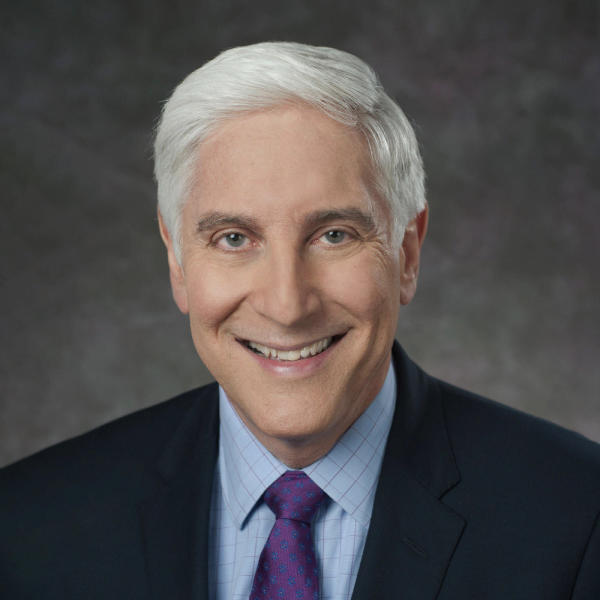
Jon LaPook, M.D. is the award-winning chief medical correspondent for CBS News, where his reporting is featured on all CBS News platforms and programs.
Since joining CBS News in 2006, LaPook has delivered more than 1,500 in-depth reports on a wide range of health and medical stories, from breaking news to emerging trends. His reporting extends to coverage of music, lifestyle, and high-profile figures in entertainment. LaPook's work has been featured across all CBS News platforms, including "CBS News Sunday Morning," the "CBS Evening News," 60 Minutes, "CBS Mornings," "Face The Nation," and CBS News Radio.
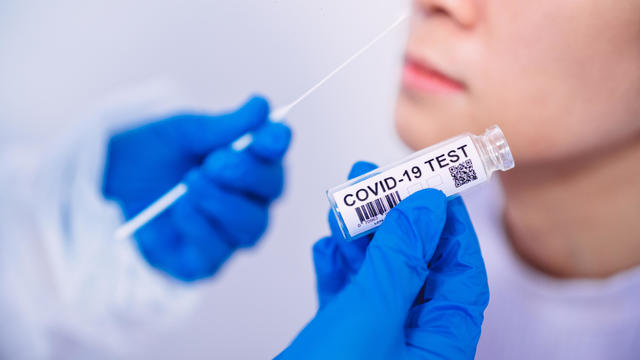
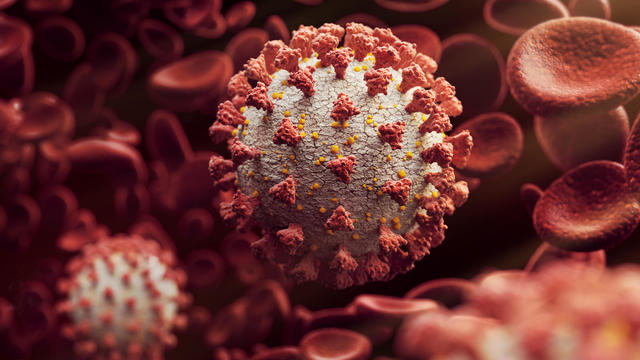
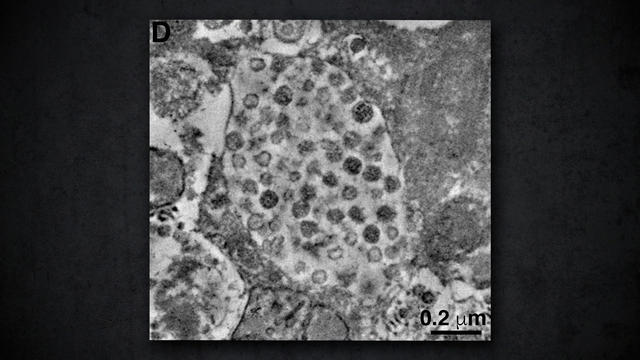
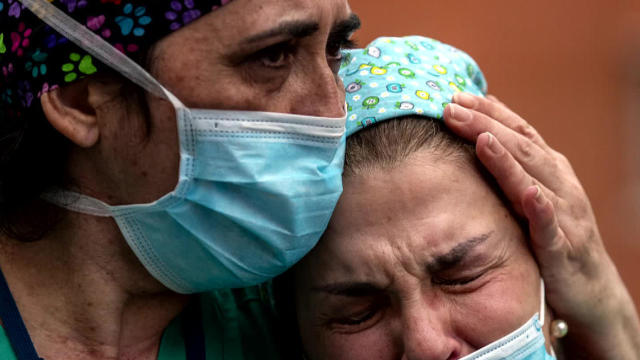
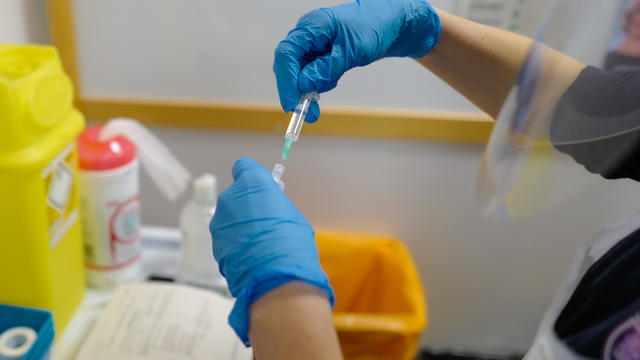
LaPook reported extensively on COVID-19, delivering near-daily updates at the height of the pandemic. Over the years, he has covered a wide range of national and international health issues - including the devastating 2010 Haiti earthquake and the ensuing cholera outbreak, the Ebola and Zika outbreaks, as well as the aftermath of Hurricane Maria in Puerto Rico. His reporting includes a wide range of health topics, including Alzheimer's and Parkinson's diseases, cancer, cardiovascular conditions, substance use, obesity, mental health, gun violence, vaccine hesitancy, AIDS, traumatic brain injury, sickle cell anemia, and inequities in healthcare.
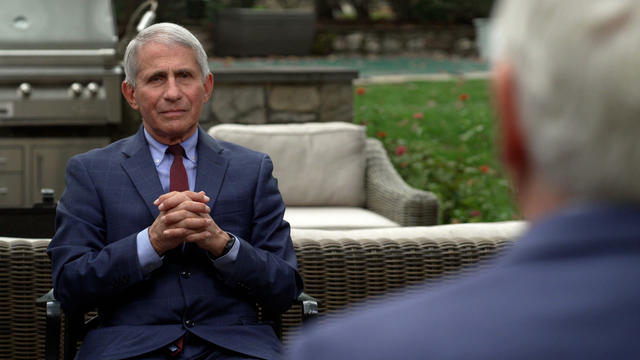
His interviews include leading voices in public life and medicine, including President Jimmy Carter about his global health work; President Barack Obama on healthcare reform; Aly Raisman on the USA Gymnastics sexual abuse scandal; Director of NIAID Dr. Anthony Fauci; HHS Secretary Robert F. Kennedy Jr.; FDA Commissioner Dr. Marty Makary; CDC Director Dr. Rochelle Walensky, and NIH Director Dr. Francis Collins on a range of public health issues. For more than a decade, he chronicled a couple's journey dealing with Alzheimer's disease. In addition, he has produced multiple segments profiling health challenges affecting public figures, including Ryan Reynolds, Angelina Jolie, Gilda Radner, Bob Saget, Alan Alda, and Marcia Cross. His profile work includes Phil Rosenthal, Ray Romano, Richard Kind, John Mulaney, Delia Ephron, Noah Wyle, and his father-in-law, Norman Lear.
Dr. LaPook also serves as a Professor of Medicine at NYU Grossman School of Medicine and is an internist and gastroenterologist at NYU Langone Health. In 2013, LaPook founded The Empathy Project at NYU Langone Health to promote a culture of empathy in medicine. In May 2022, he delivered the commencement address for the classes of 2020 and 2021 at the Harvard T.H. Chan School of Public Health, emphasizing the importance of empathy in healthcare. In September 2025, LaPook gave the keynote address and received the Lifetime Achievement Award from the Stoneygate Centre for Empathic Healthcare.
Dr. LaPook has won five Emmy Awards: in 2012 for coverage of the national drug shortage; in 2013 for team coverage of the Boston Marathon bombings; in 2019 and 2020 for "Sunday Morning" (Outstanding Program); and in 2021 for "CBS Mornings"/"CBS This Morning" (Outstanding Live News Program). In 2018, he was named a George Foster Peabody Award finalist and received a Gracie Award from the Alliance for Women in Media for two 60 Minutes investigations into the USA Gymnastics sexual abuse scandal. In 2024, he earned two honors for investigative reporting on how private equity executives profited at patients' expense, including an award from the New York Press Club. LaPook also won two Edward R. Murrow Awards for Best Broadcast (2007 and 2013) and a 2015 New York Press Club Award for "Eye on Ebola," a WCBS-AM News Team special. In 2020, he received a Drama Desk Award for his work as a medical contributor to "Stars in the House," helping to keep the entertainment community informed during the coronavirus pandemic. Earlier, in 2010, he was recognized by the Webby Awards for his documentary series Doc Dot Com.
LaPook has worked extensively in medical computing, including developing a medical practice management software system that he sold in 1999 to a company later acquired by Emdeon Corporation, the parent company of WebMD.
He was born in Mineola, New York, graduated with honors from Yale University, and received his M.D. from Columbia University's College of Physicians and Surgeons, where he was elected to Alpha Omega Alpha, the national medical honor society. He completed his residency in Internal Medicine, along with fellowships in Gastroenterology and Medical Informatics, at New York-Presbyterian Hospital in New York City.