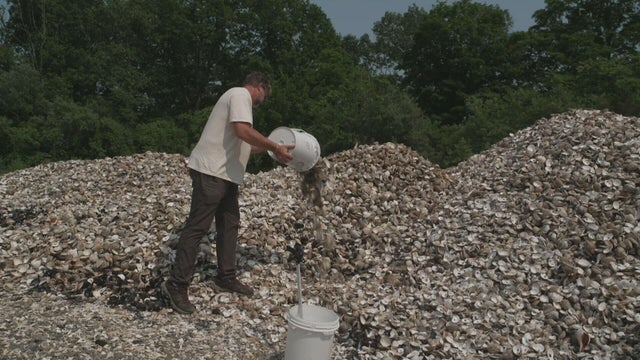
Michigan-Ohio State rivalry now includes who handles trash better
An annual challenge has campuses nationwide competing to see who can recycle and compost the most waste generated at home football games.
Watch CBS News
David Schechter serves as CBS News National Environmental Correspondent, delivering in-depth reporting on the human impacts of our changing environment and climate.
His work frequently blends cinematic visuals, expert insights, and personal narratives to make complex stories accessible and engaging.
Before joining CBS in 2022, Schechter worked in local journalism across stations in Dallas (WFAA), Minneapolis (WCCO), Kansas City, Youngstown, and Dubuque. In Dallas, he co-created the docuseries Verify Road Trip, taking skeptical viewers on the road to report stories with him and reach their own conclusions.
Schechter's achievements include a 2021 Alfred I. duPont-Columbia University Silver Baton for climate coverage, three Edward R. Murrow Awards for documentaries, two Scripps Howard National Journalism Awards, the Walter Cronkite Award for Excellence in Political Reporting, and a James Beard Finalist Award. He is a graduate of the University of Michigan.

An annual challenge has campuses nationwide competing to see who can recycle and compost the most waste generated at home football games.
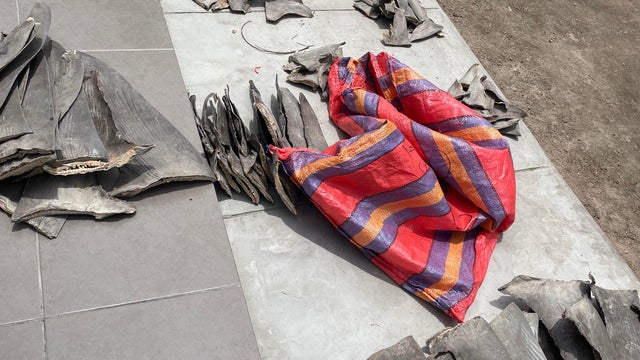
The bust, in the port outside of Peru's capital, Lima, led to the arrest of three men tied to a transnational criminal network involved in illegal fishing and wildlife smuggling, according to the U.S. Fish and Wildlife Service.
Customers send their telescopes to Starfront Observatories, where amateur stargazers can view the night sky unencumbered by artificial light.
For decades, Bill Gates has warned of climate disaster — but his tone meaningfully shifted as he cautioned against taking a "doomsday view" on the planet's future.
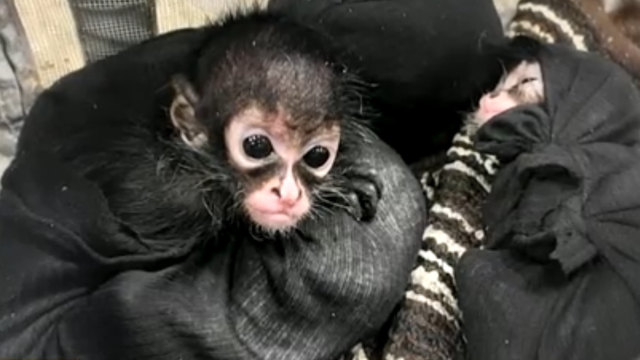
Poachers are killing spider monkeys, kidnapping their babies and selling them on social media.
Smithsonian biologists are using heart monitors designed for humans to study how high stress levels in animals can hinder their ability to thrive.
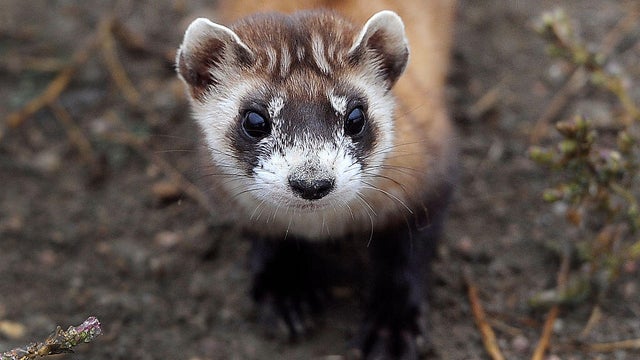
With biologists from the U.S. Fish and Wildlife Service furloughed because of the shutdown, a critical release of 400 captive-bred ferrets is at risk.
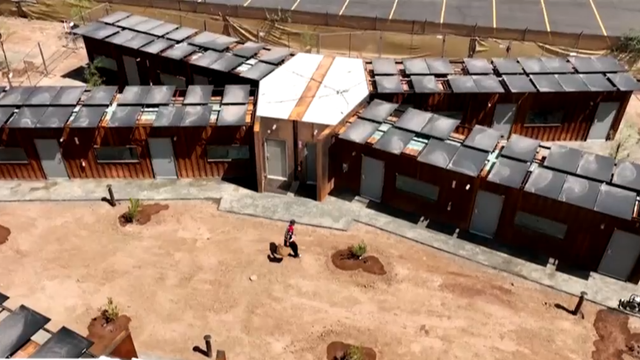
Architect Brian Stark wants to tackle the country's affordable housing crisis — one shipping container at a time.
President Trump's budget proposal for the 2026 fiscal year would eliminate the Low Income Home Energy Assistance Program, which serves more than six million Americans.
An analysis that reviewed 16 years of data found contact burn injuries surged as summer temperatures rose.
Oyster beds are critical to a healthy ocean, because they filter water, prevent erosion and provide a home for an estimated 300 different species.
In April, the Trump administration gave 68 plants a two-year exemption from complying with federal regulations intended to lower mercury emissions, a powerful toxin that can affect the brain.
The "ice battery" system freezes water at night when the cost of electricity is low. Then, during the day, when the price is high, the building is cooled with the previous night's ice instead of using expensive electricity.
Charles David Keeling first documented how the gas buildup in the atmosphere contributes to the warming planet. His son says proposed cuts to NOAA threaten critical scientific research.
California is one of the top fly-fishing destinations of the nation, especially when it comes to wild trout. But as climate change continues to warm our rivers, the pressure is growing on California's cold-water fish.