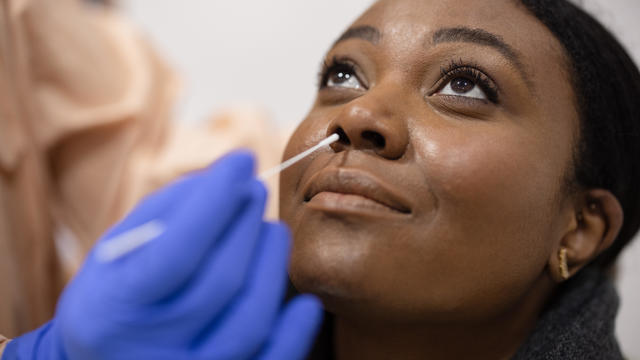
Why do COVID PCR and antigen tests produce different results?
Many factors can affect how likely a COVID-19 test is to correctly spot an infection.
Watch CBS News
Many factors can affect how likely a COVID-19 test is to correctly spot an infection.
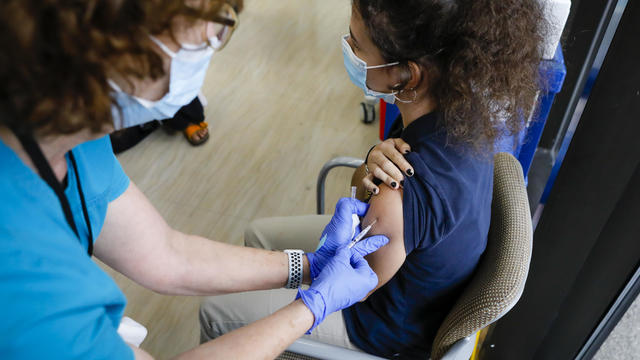
The move follows the FDA's authorization earlier this week and an hours-long meeting of the CDC's outside advisers.
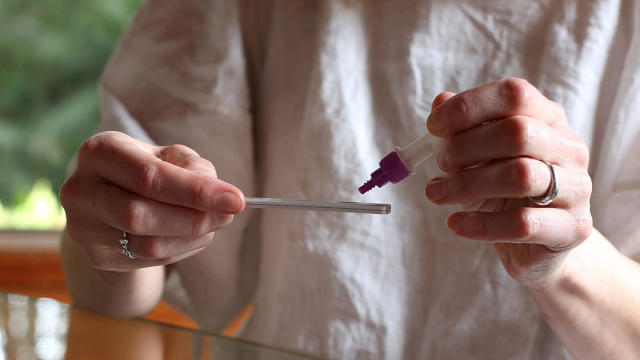
Some public health experts had criticized the agency for not requiring testing at the end of a shortened isolation.
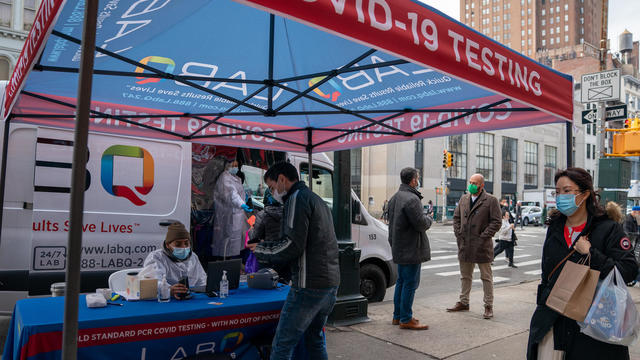
The once-dominant Delta variant now makes up only a small fraction of cases around the country.
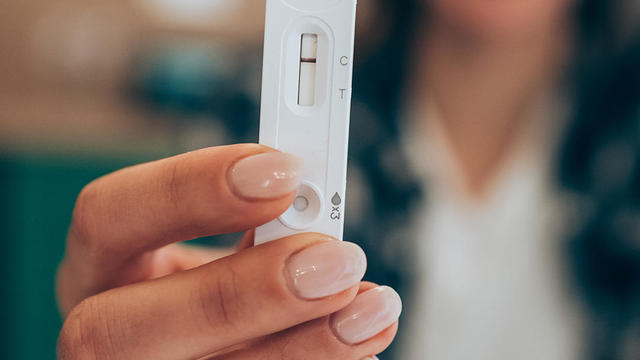
The FDA said some of the rapid at-home tests may have "reduced sensitivity" in detecting Omicron cases, but real-world results are still coming in.
The agency says science shows the majority of transmission "occurs early in the course of illness."
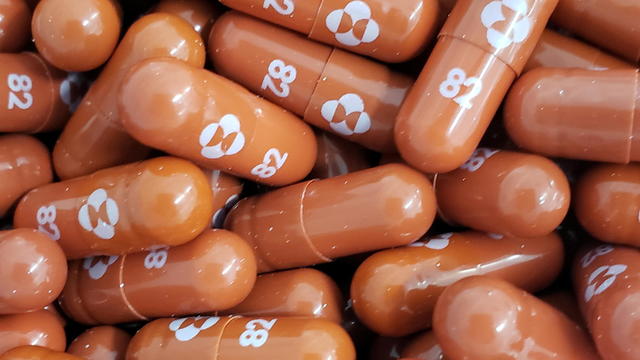
The White House expects millions of courses of the drug from Merck and Ridgeback Biotherapeutics by the end of January.

Thousands of courses of Pfizer's pills could be available this month.
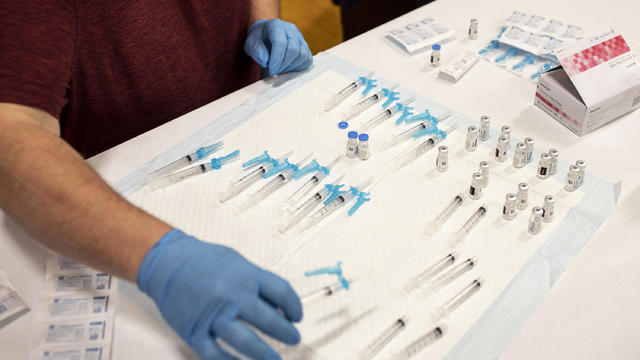
A rare side effect is linked to nine deaths out of more than 16 million people vaccinated with the J&J shot.

Fauci pointed to early lab data showing that "our booster vaccine regimens work against Omicron."

The Kaiser Family Foundation estimated COVID-19's avoidable toll since June, when vaccines became widely available.

Early data from the company's experiments suggest the pill will be effective against all variants, including Omicron.
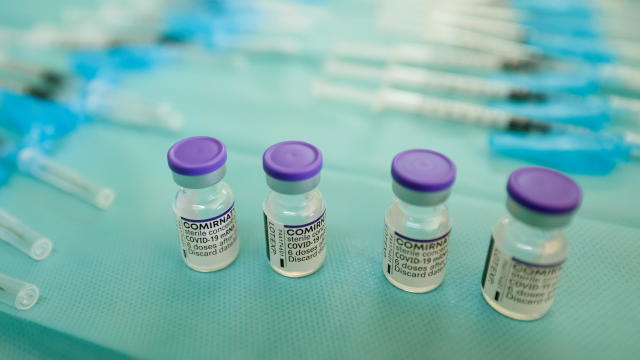
Less than a third of Americans 16 to 17 years old will initially be eligible to receive the additional dose.
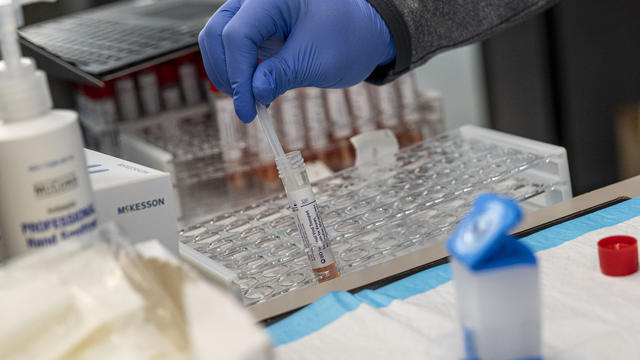
Officials say boosters are needed to shore up protection against the highly contagious variant.

Officials say the Omicron variant is driving a "steep rise" of cases across the country.