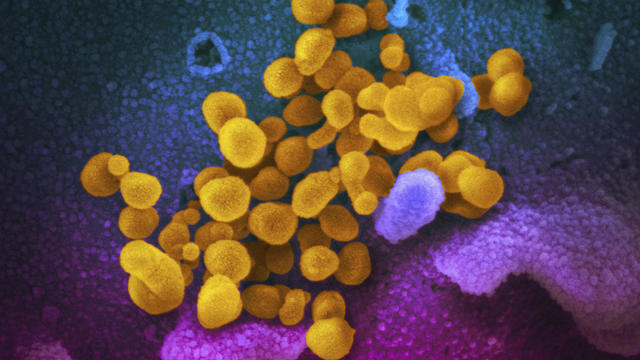
NIH investigates Boston University COVID experiments amid controversy
Boston University says its research with "chimeric recombinant" viruses did not lead to a "gain of function."
Watch CBS News
Boston University says its research with "chimeric recombinant" viruses did not lead to a "gain of function."
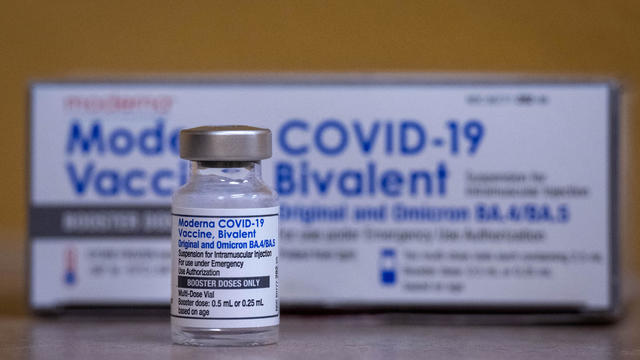
The daily pace of new shots administered is once again slowing, following an uptick last month.
The CDC said BQ.1 and one of its descendants, BQ.1.1, represent "a small but fast-growing subset of the Omicron variant."
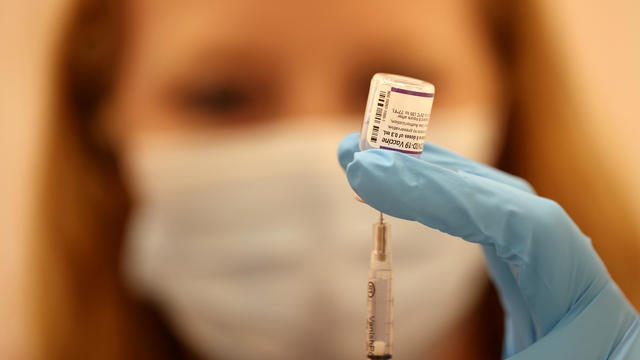
New findings are the first released from human clinical trials examining the bivalent booster shots that have been rolled out across the country.
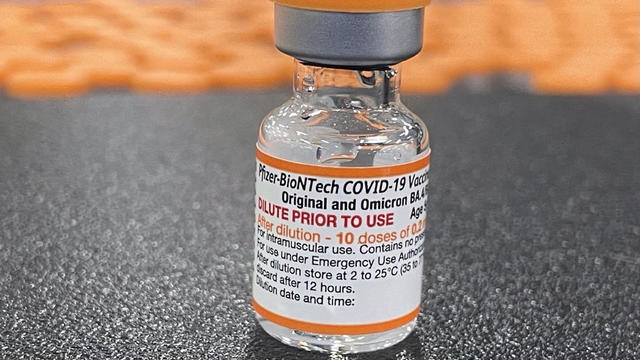
The decision by federal health officials expands access to the updated shots for younger children.
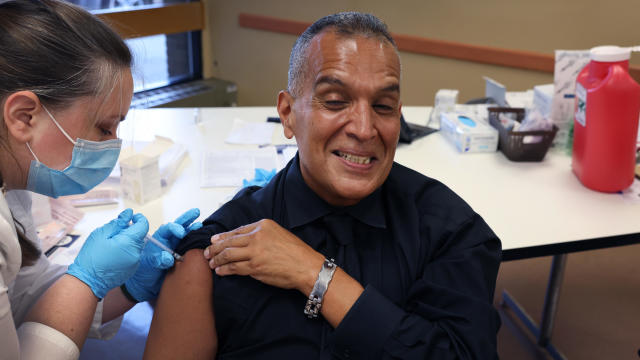
The White House defended its decision not to release specific goals for the fall booster rollout.
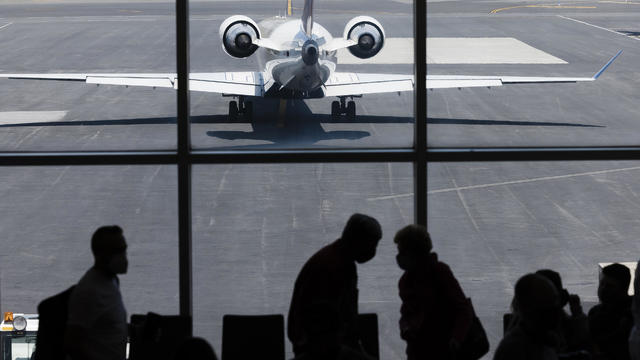
The CDC issued an alert urging doctors and authorities to immediately screen suspected Ebola cases for their travel history.
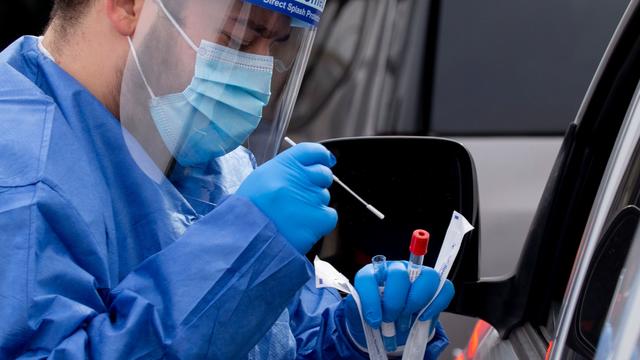
The shift comes as federal health officials are bracing for a renewed wave of COVID-19 infections this fall and winter.
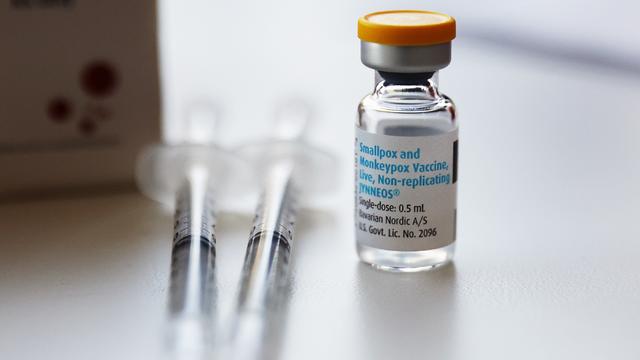
Early data, based on people who were eligible for the shots, found the unvaccinated are 14 times more likely to catch monkeypox.
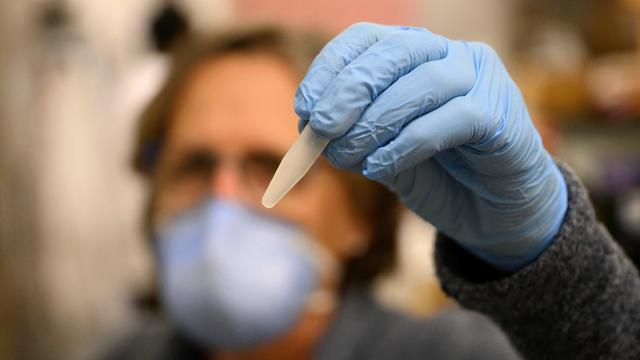
The CDC is working with health departments around the country to search for signs of poliovirus in wastewater.
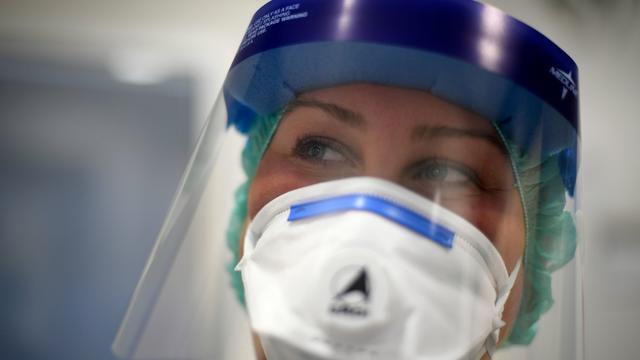
Masking is now urged only in communities seeing "high" transmission of the virus.
The BA.5 variant from the summer wave of cases has now fallen to 81.3% of new infections.

Providers have reported delays in shipments of Moderna's new shots, which make up some 20% of doses around the country.
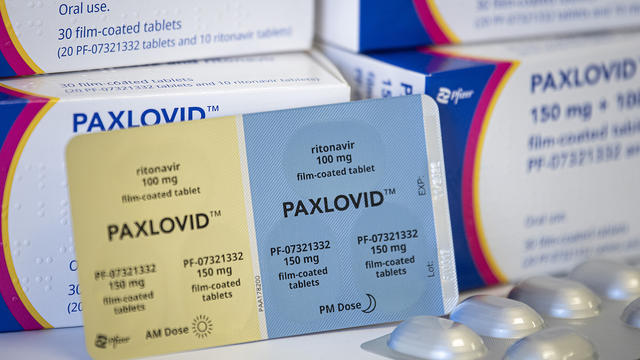
In an animal study, federal scientists found that combining Paxlovid and the antiviral Lagevrio could be safe and more effective.
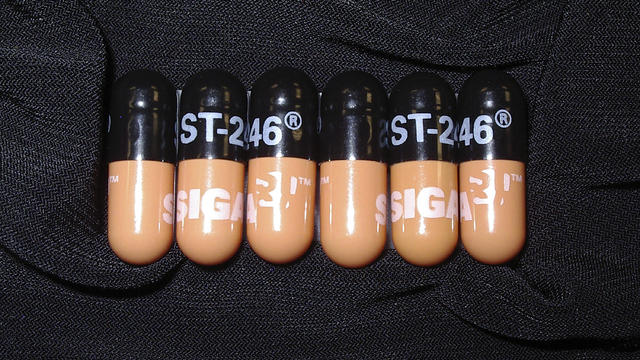
The FDA said the monkeypox virus needs "only a single amino acid change" to evade the treatment.