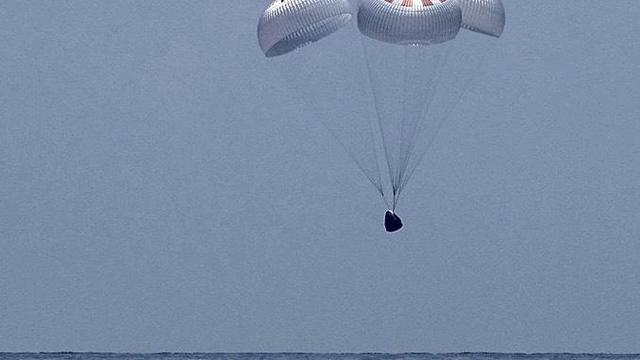
Astronauts describe thrilling SpaceX splashdown
With a piloted test flight complete, NASA hopes to certify the SpaceX capsule for operational missions.
Watch CBS News
With a piloted test flight complete, NASA hopes to certify the SpaceX capsule for operational missions.
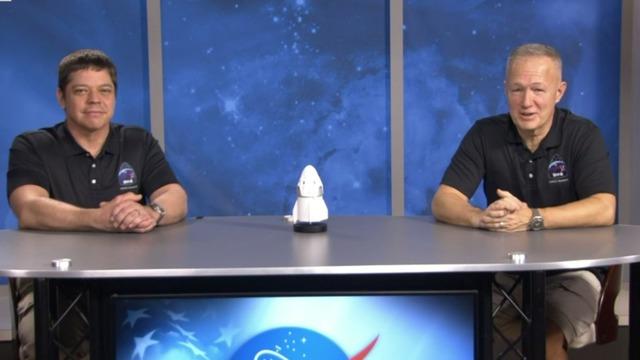
NASA astronauts Bob Behnken and Doug Hurley held a news conference after their return from the International Space Station aboard the SpaceX Crew Dragon, the first commercial spacecraft to carry astronauts into orbit. Watch a portion of their remarks.
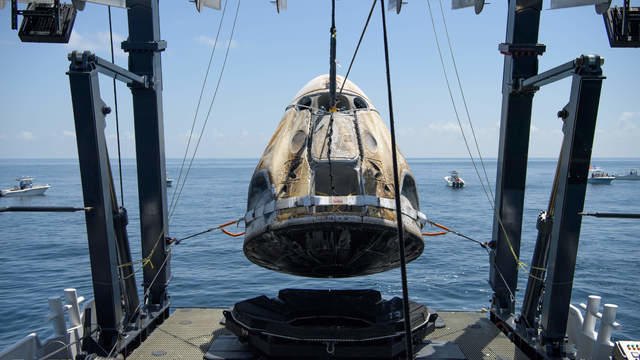
When the SpaceX "Endeavour" capsule splashed down in the Gulf of Mexico Sunday afternoon, it marked the successful end of the first U.S. commercial manned space mission. CBS News space analyst Bill Harwood joins CBSN's Lana Zak with details on the historic day, which had been 10 years in the making.
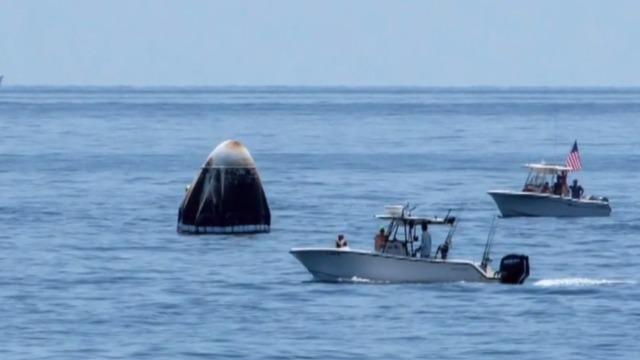
Two NASA astronauts are back home in Houston after a historic return to Earth. It was the first splashdown by U.S. astronauts in 45 years, and the first commercial mission to carry a crew to and from the International Space Station. Mark Strassmann reports.
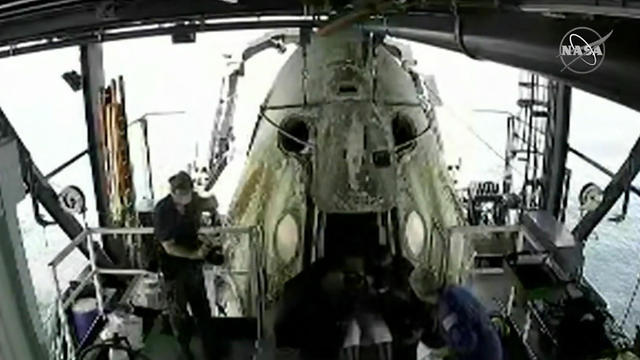
SpaceX's Crew Dragon capsule safely returned to Earth on Sunday afternoon, splashing down in the Gulf of Mexico with two astronauts on board. NASA administrator Jim Bridenstine joined CBSN to discuss the historic mission.
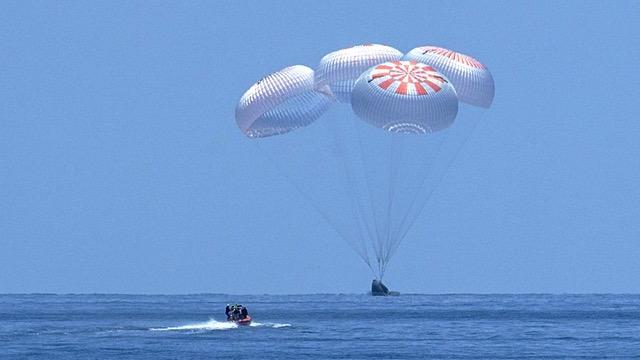
Sunday's splashdown was the first by U.S. astronauts in 45 years, with the first commercially built and operated spacecraft to carry people to and from orbit.
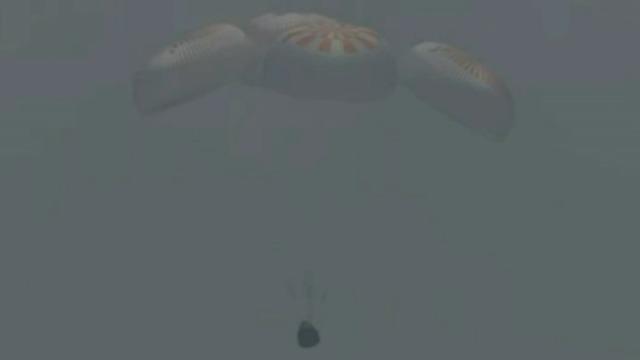
Doug Hurley and Bob Behnken, two NASA astronauts, returned to Earth in a dramatic, retro-style splashdown, their capsule parachuting into the Gulf of Mexico to close out an unprecedented test flight by Elon Musk's SpaceX company. Watch their landing and and commentary from CBS News space analyst Bill Harwood and retired Air Force veteran Colonel Scott Caine.
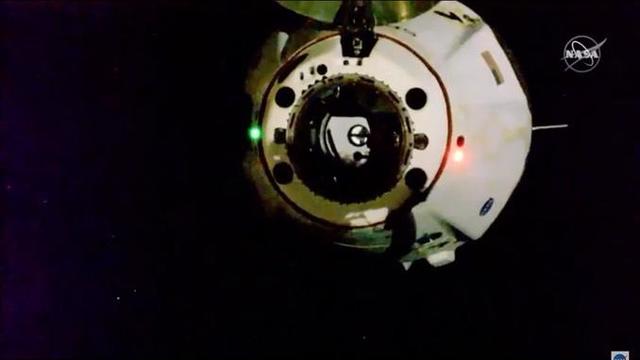
Splashdown will set the stage for operational Crew Dragon flights to begin later this year.
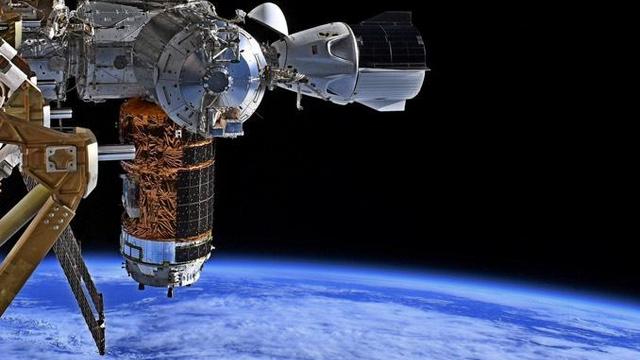
The Crew Dragon splashdown will be NASA's first astronaut water landing in 45 years.
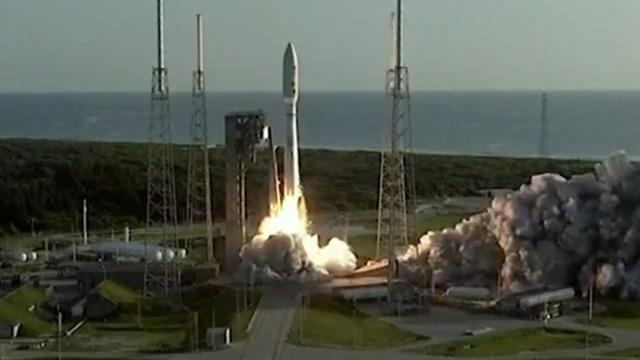
NASA launched its Perseverance rover on a seven-month journey to Mars, where it will search for signs of past life on the red planet. CBS News' Chris Martinez has more on the mission.
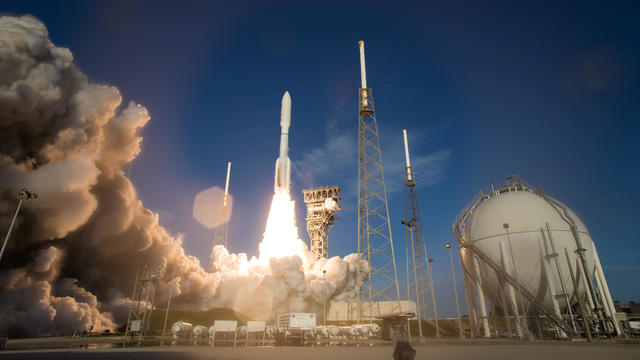
This is the first NASA mission explicitly designed to search for signs of life on another planet.
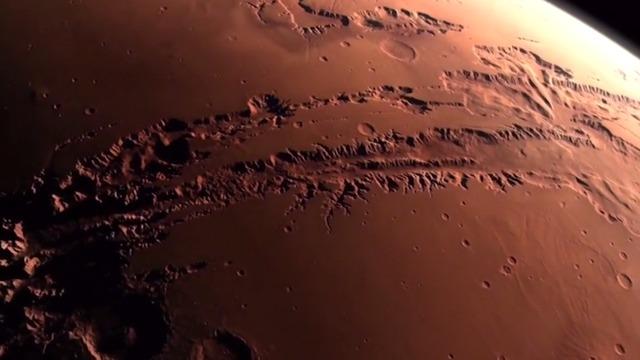
NASA's Perseverance rover is the first step in a decadelong effort to return Martian samples to Earth. Perseverance will travel almost 300 million miles and reach the red planet in February of 2021. Mark Strassmann reports.
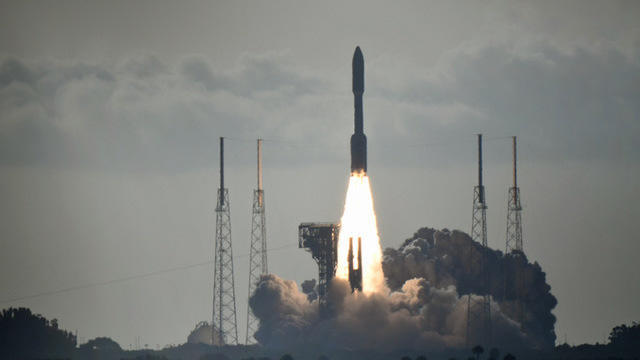
An Atlas 5 rocket carrying NASA's Perseverance rover blasted off from Cape Canaveral, Florida, on a seven-month journey to Mars. Watch CBSN's live coverage of the launch.
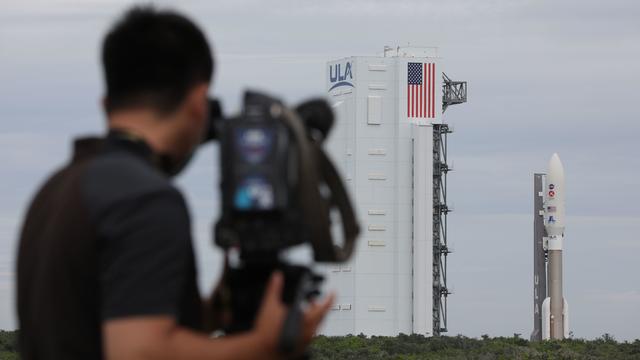
NASA's Perseverance rover is the first step in a decade-long program to bring martian rock samples back to Earth.

The helicopter, Ingenuity, will travel to Mars clutching the rover's belly and, a few months after touchdown, attempt to fly solo.
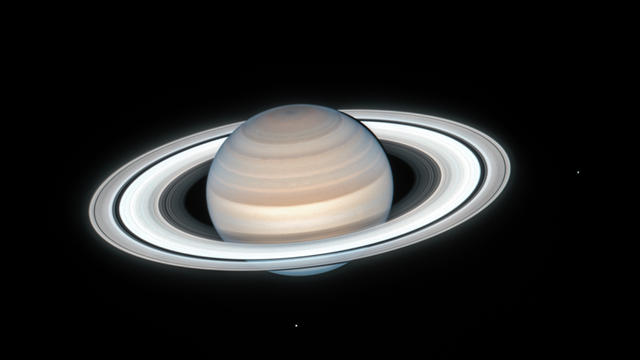
Visible in the image are the planet's icy rings in stunning detail — and its moon Enceladus, which could support life.
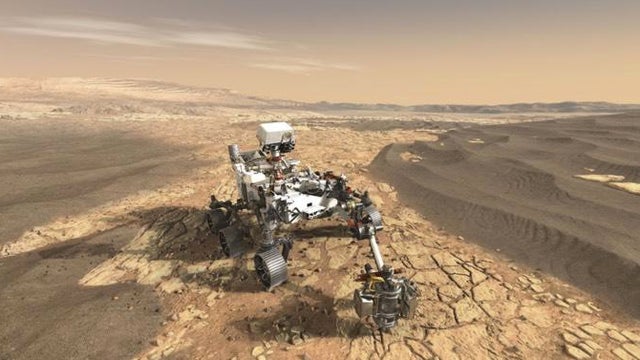
The most ambitious Mars mission yet aims to bring samples from the red planet back to Earth.
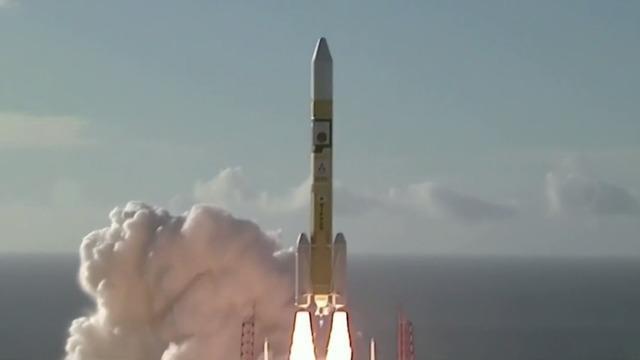
The United Arab Emirates launched an unmanned orbiter to Mars on Sunday, July 19. It's the first of three international Mars missions scheduled to get underway this month. CBS News foreign correspondent Holly Williams has details.
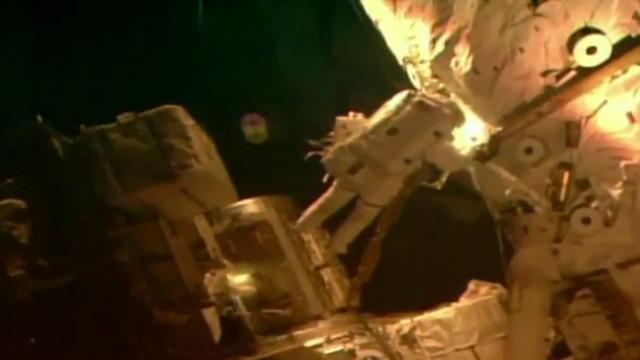
Two NASA astronauts conducted another in a series of spacewalks at the International Space Station on Tuesday. It's part of an ongoing process to upgrade the orbiting space lab. CBSN's Errol Barnett has details.
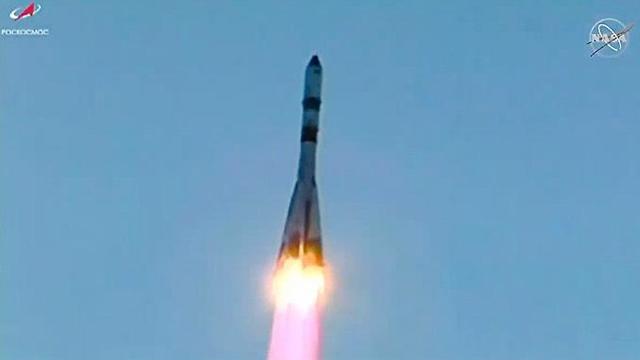
The Progress cargo ship docked at the International Space Station after a speedy two-orbit rendezvous.
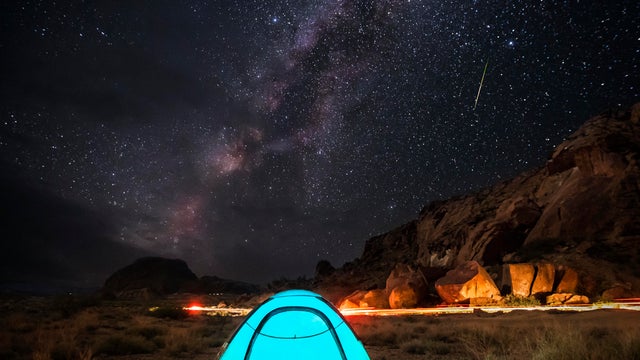
Two meteor showers are peaking at the same time next week.
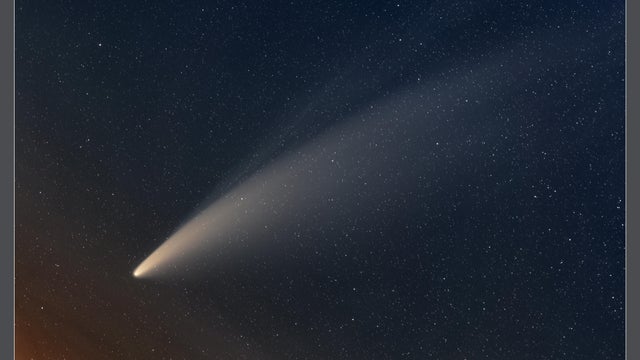
Skywatchers still have a chance to spot the spectacular comet before is disappears for 6,800 years.
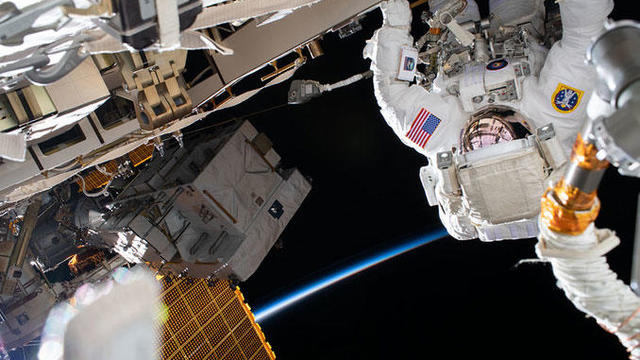
With their battery replacement work complete, two NASA spacewalkers focus on future upgrades.

UAE's Hope Mars mission is intended to collect world-class science while inspiring the youth of the Middle East.
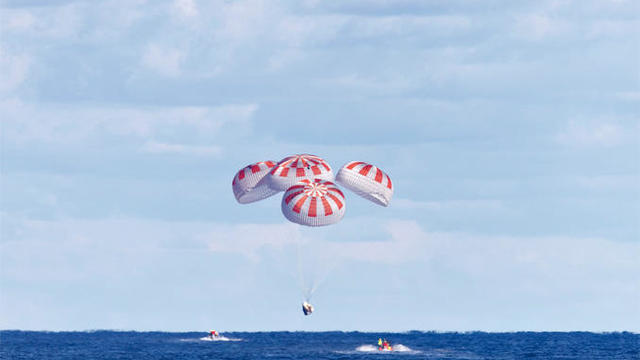
The splashdown will mark the first water landing for U.S. astronauts in 45 years.