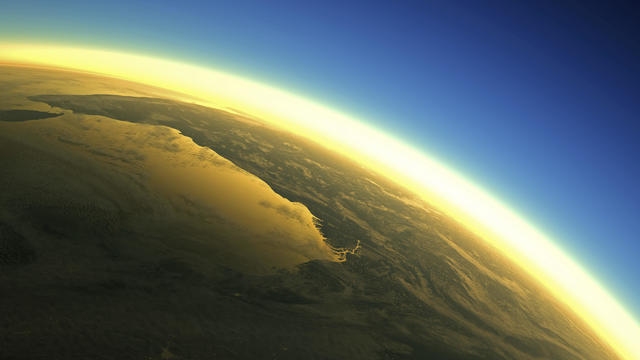
"Significant milestone" reached in ozone layer recovery
The harmful chemicals that have damaged Earth's shield against radiation are on the decline, according to new research.
Watch CBS News
The harmful chemicals that have damaged Earth's shield against radiation are on the decline, according to new research.
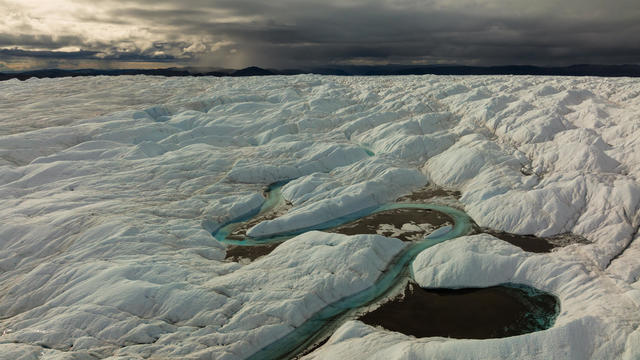
The study said collapse of key ice sheets, loss of tropical coral reefs and thawing of permafrost could be triggered at 1.5 degrees Celsius of warming.
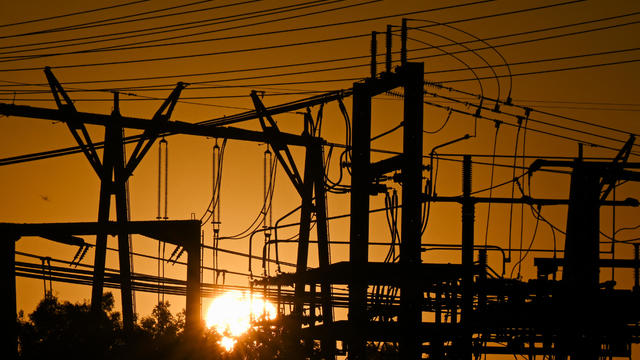
A record-setting heat wave is making life miserable in the West.
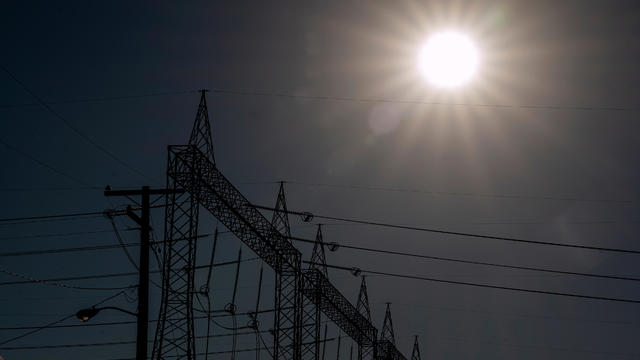
"This is about to get significantly more intense," utility official said as the mercury in some parts of the state hits 115 degrees.
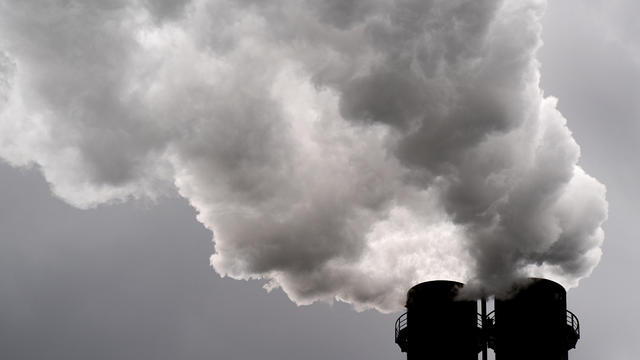
Considering the damage it causes, carbon should cost $185 a ton, more than triple U.S. price, researchers conclude.
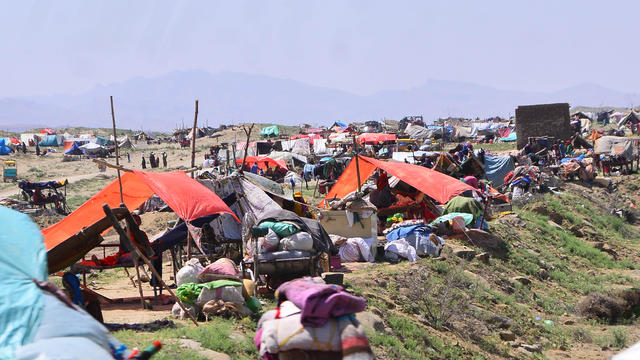
The U.N. children's agency said more than 3 million children were in need of humanitarian assistance and stood at heightened risk of diseases, drowning and malnutrition.

With the closing of the AES coal plant this week, Hawaii becomes the first state to fully implement a ban on coal.

Four families have filed a lawsuit, saying the Navy "harbored toxic secrets" when jet fuel contaminated drinking water for 93,000 military members and civilians in Hawaii.

Researchers in California and Utah found that dams made by beavers can help create drought- and fire-resistant landscapes.

Large buildings are a significant source of greenhouse gas emissions. But as CBS News' Natalie Brand shows us, future architects at Howard University in Washington D.C. hope to shrink the size of those carbon footprints.
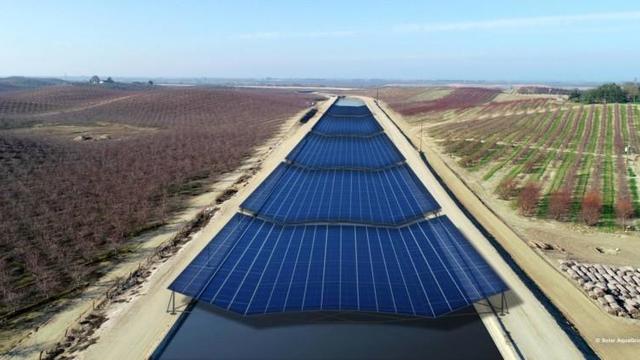
California will be the first state in the nation to install solar panel canopies over canals to combat drought and climate change.
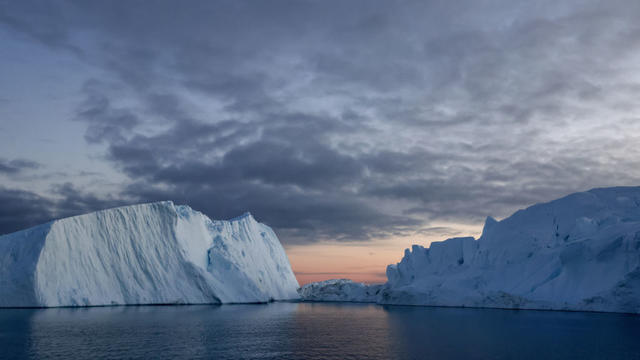
A new study finds that more than 120 trillion tons of ice in Greenland is no longer being fed by glaciers and is destined to melt away.

Over the next decade teams will digitize DNA of the 1.8 million named species on Earth.
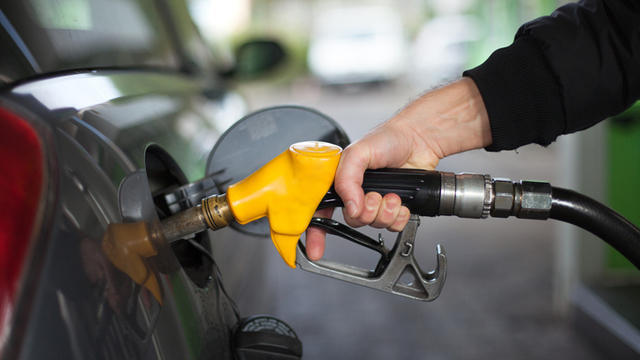
The California Air Resources Board voted Thursday in favor of a plan to ban the sale of new gas-powered vehicles by 2035. Margo Oge, former director of the EPA's Office of Transportation and Air Quality, discussed what this means for California.

The nuclear power plant in the middle of the fighting in Ukraine was temporarily cut off from the electrical grid because of fire damage.

CBS News' Kris Van Cleave visits Carmel, Indiana, which is turning all its intersections into roundabouts. Officials say it's making roads safer while cutting down on gas costs and helping the environment.

As record-high temperatures continue to impact economies as well as the health of individuals, officials are working to find new ways to address the problem. Enrique Acevedo speaks to local officials in Spain and Florida on their plans.
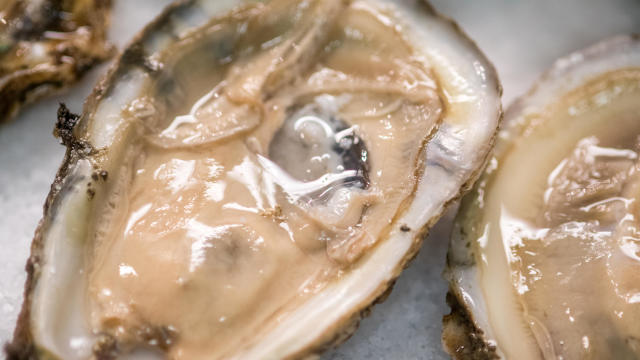
A restaurant customer in Fort Lauderdale has died of a bacterial infection after eating raw oysters.
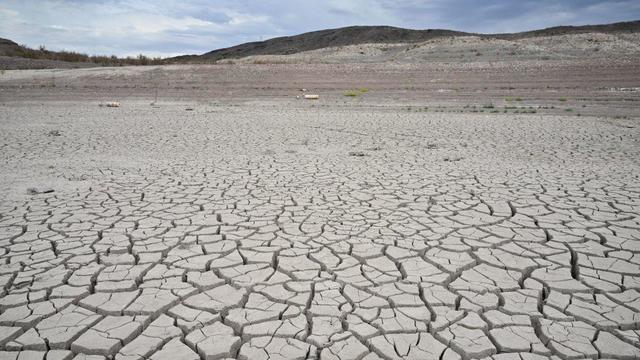
The latest discovery marked the fifth time authorities discovered skeletal remains in the reservoir, which is drying up amid an ongoing drought.

President Biden on Tuesday signed the Inflation Reduction Act into law. It marks a major victory for the Biden administration's domestic agenda ahead of the midterm elections. Sean Sullivan, Washington Post deputy politics editor, joins CBS News to discuss the significance of the legislation.
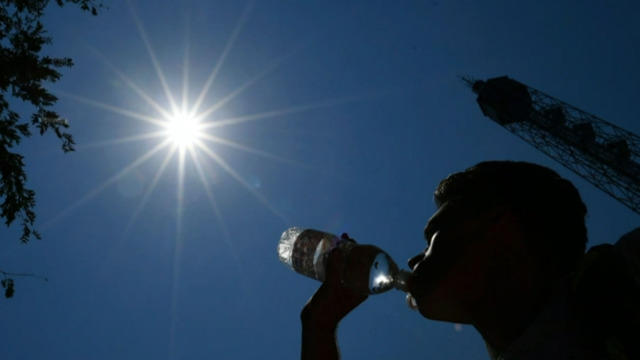
A new report reveals nearly one-third of U.S. adults will likely live in counties experiencing hazardous heat by 2053. CBS News MoneyWatch reporter Irina Ivanova joins CBS News' Tanya Rivero and Elaine Quijano to discuss the alarming analysis.
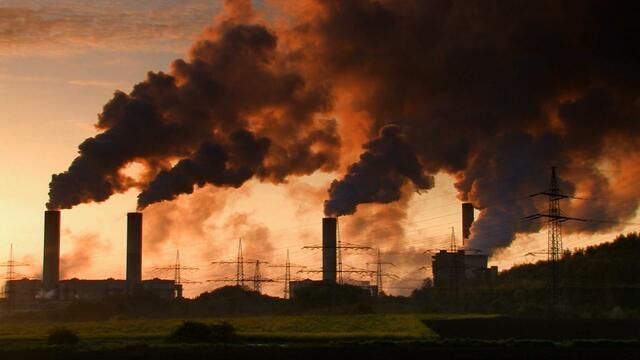
As companies and individuals attempt to shrink their carbon footprints by buying carbon offsets, wildfires in the U.S. West are threatening the land set aside for such efforts. Senior national and environmental correspondent Ben Tracy reports.

President Biden scored another victory with the passage of the Inflation Reduction Act Friday, a landmark climate, health care and tax bill. Scott MacFarlane has more.
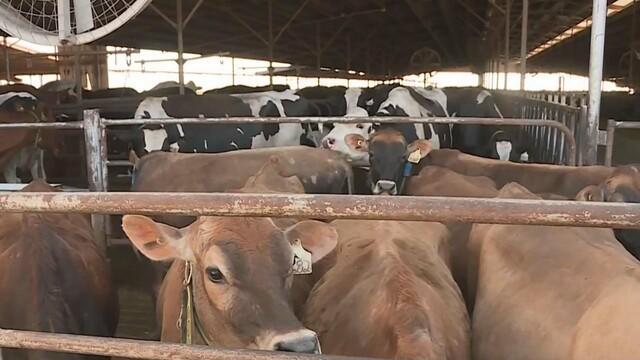
Beef, lamb, nuts, dried fruit and coffee were rated the worst in a study that looked at the environmental impact of 57,000 different foods. Scientists found squash, fizzy drinks like Colas and sports and energy drinks were least harmful to the environment.
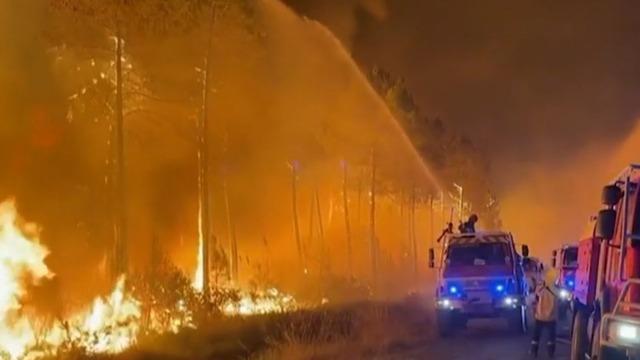
Europe is on track for one of the worst droughts in centuries as it combats raging wildfires. Roxana Saberi has more.