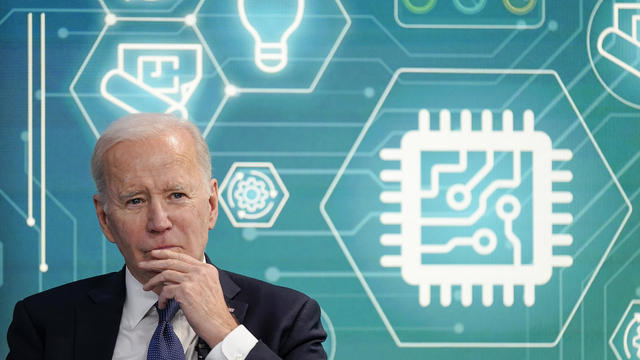
Computer chip ban signals new era as Biden, Xi meet
The U.S. and China have each identified the development and production of computer chips as vital for economic growth and their own security interests.
Watch CBS News
The U.S. and China have each identified the development and production of computer chips as vital for economic growth and their own security interests.

The moves are clearly aimed at luring some business back into the country, but they may not go far enough to entice many travelers.
The head of the World Health Organization says there's "cause for optimism."

“It’s almost like [Chinese company Bytedance] recognize[s] that technology’s influencing kids’ development, and they make their domestic version a spinach TikTok, while they ship the opium version to the rest of the world,” says Tristan Harris.

The U.S. and Japan are gearing up for large-scale military exercises starting this Thursday. Michael Penn, the president of Shingetsu News Agency, joined "CBS News Mornings" to discuss the biennial drills and the rising tensions between China and Taiwan and on the Korean peninsula.

Even as cases rise, deaths are blamed on lockdowns and iPhone production takes a hit, China insists Xi Jinping's signature policy is "completely correct."

Consumers in the U.S. could find it hard to find some iPhone models this holiday season, Wall Street analysts say.

Chris Krebs, the former director of the Cybersecurity and Infrastructure Security Agency and a CBS News cybersecurity expert and analyst, says, "We've seen reports lately of Russia, China and Iran back at their old tricks" since Elon Musk's acquisition of Twitter.

A lawyer for the pilot said he was no longer a U.S. citizen and would "vigorously" fight Washington's bid to have him extradited.

The U.S. military has been busy with direct and indirect involvement in several conflicts and military developments around the globe. CBS News anchors Lana Zak and Errol Barnett spoke with Michael O'Hanlon, a senior fellow and director of research for the Foreign Policy program at the Brookings Institution, about how the Department of Defense is managing its assets.
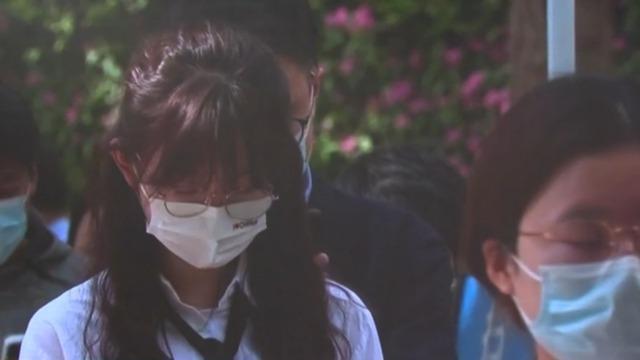
China's "zero-COVID" policy has triggered widespread lockdowns, fear, unrest, and major economic issues. Businesses across the country are facing significant setbacks and criticism over their responses. Lawrence Gostin is the director of the World Health Organization's collaborating center on national and global health law. He joins CBS News to discuss the growing issues.
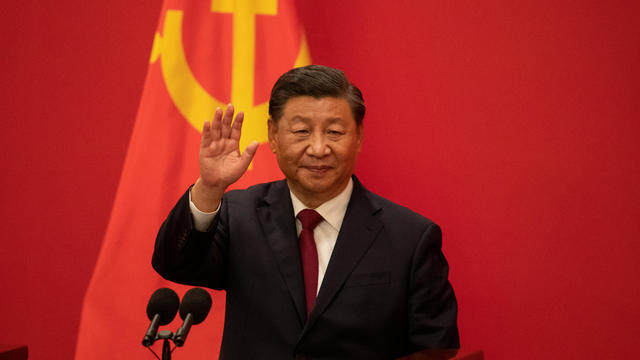
Morell and former CIA China analyst and president of the China Strategies Group Chris Johnson discuss Xi's move to consolidate his power this week and what it means for U.S.-China relations.

The White House says it is working with Chinese officials to set up a face-to-face meeting between President Biden and Chinese President Xi Jinping at the G20 summit later this month. Raymond Kuo, a political scientist at the RAND Corporation, joined John Dickerson to discuss.

The government didn't say whether the move was related to cases at the plant but did report dozens of COVID cases in the city where it's located.

China's draconian "zero-COVID" policy has kept infection rates relatively low, but at a high cost as businesses struggle with repeated shutdowns.
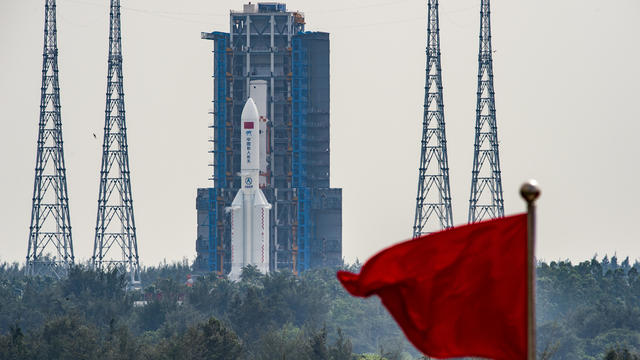
The Mengtian module is set to join a second one that's also connected to the core module where the crew lives and works.
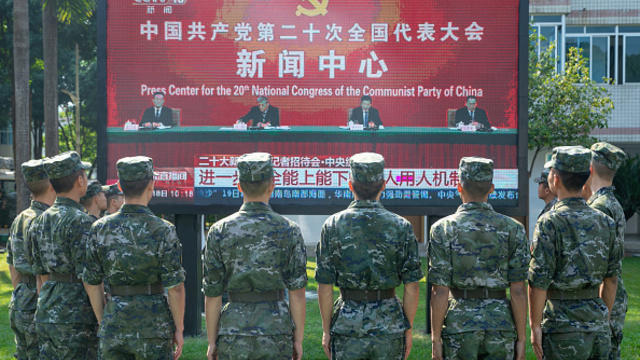
U.S. Secretary of State Antony Blinken warned Monday that Beijing is speeding up its plans to reunite with Taiwan, by force if necessary. Chinese President Xi Jinping also said Sunday that the "wheels of history are rolling on towards China's reunification." He added, "We reserve the option of taking all measures necessary." John Dickerson spoke with Amy Celico, a principal at the Albright Stonebridge Group who specializes in Chinese affairs.

"In the coming years, for the first time, we will have to deter two major nuclear armed competitors, both Russia and China," said one senior defense official.

Daniel Edmund Duggan ran a business called Top Gun Australia, which billed itself as the country's "premier adventure flight company."
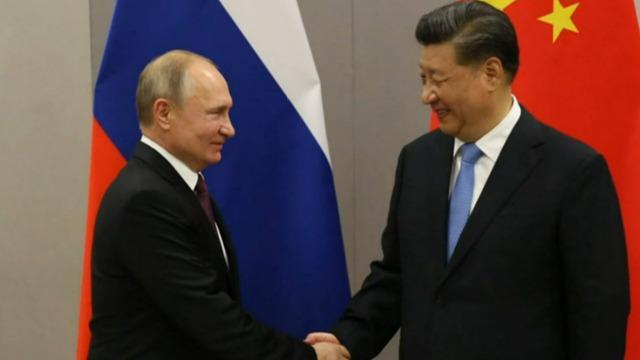
Chinese President Xi Jinping and Russian President Vladimir Putin are expected to meet this week in Uzbekistan. China has recently signaled stronger support for Russia in its war in Ukraine, but the two countries haven't always been aligned. Phelim Kine, China correspondent for Politico, joined CBS News' John Dickerson to discuss.

The Department of Justice has announced a series of charges against multiple alleged Chinese spies operating in the United States. CBS News' Tony Dokoupil and Lilia Luciano speak with CBS News senior investigative correspondent Catherine Herridge on the significance of the charges.

Former Chinese President Hu Jintao on Saturday was unexpectedly led out of the closing ceremony of China's Communist Party congress.
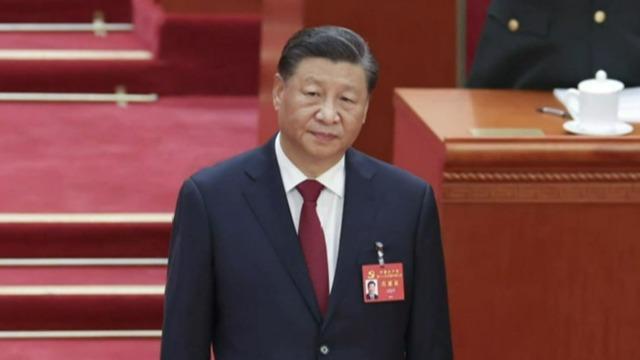
China's ruling Communist Party is holding its national congress, where President Xi Jinping is expected to secure another term in power. CBS News' Tony Dokoupil and Lilia Luciano speak with Christopher Johnson, president and CEO of China Strategies Group, on how Xi has shaped China and what he's planning for the future.
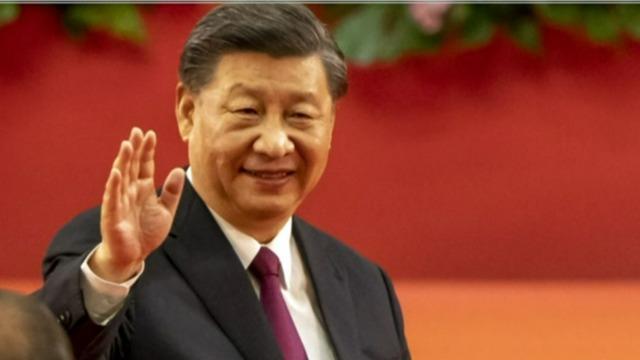
Chinese leader Xi Jinping has been granted an unprecedented third term. CBS News senior foreign correspondent Elizabeth Palmer reports. Then Chris Buckley, China correspondent for the New York Times, joins "CBS News Mornings" to discuss the significance of this move and the latest on China's economy.
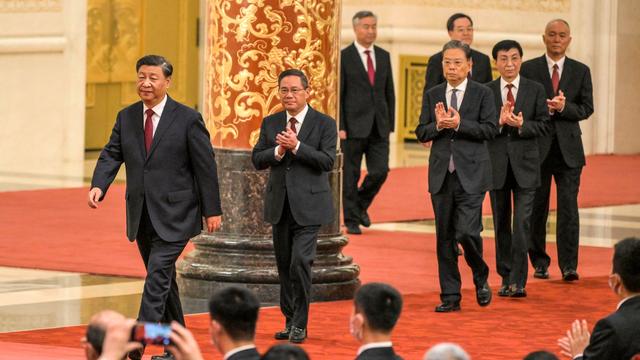
Most of the members are new to the Communist Party's powerful Politburo Standing Committee, and all of them are seen as loyalists to the president.