Climate change contributed to Canada's extreme wildfires, report says
A new study determined that Canada's fires were fueled by human-induced changes in temperature and humidity.
Watch CBS News
A new study determined that Canada's fires were fueled by human-induced changes in temperature and humidity.

New images from the James Webb Space Telescope have revealed intricate details of a dying star's final stages, NASA said.

As many as 1 in 3 lightning bug species in America could be under threat, scientists say.
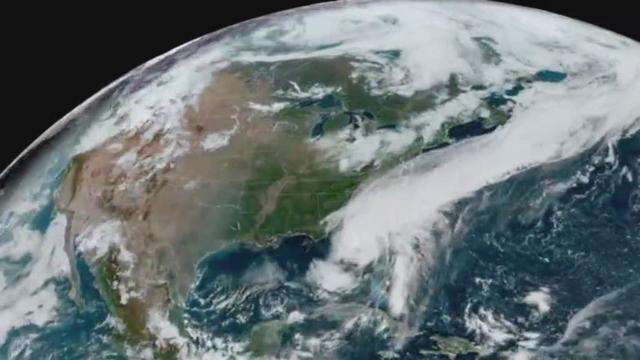
The Great Galveston Hurricane is known as the deadliest weather disaster in United States history, killing at least 8,000 people, with some estimates as high as 12,000 people.

This experiment marks the longest a genetically-engineered pig kidney has functioned after a transplant, according to NYU Langone Health.

Texas A&M physics professor and TikTok star Dr. Tatiana Erukhimova joins "CBS Mornings" in the studio to talk all things back-to-school. She explains why it's important for teachers to understand what students find most compelling. In the process, the seasoned physicist ropes the anchors into participating in a live science demonstration.

The website happywhale.com collects photos that whale watchers take of the tails of humpbacks, helping ID and track specific whales in their travels around the world.
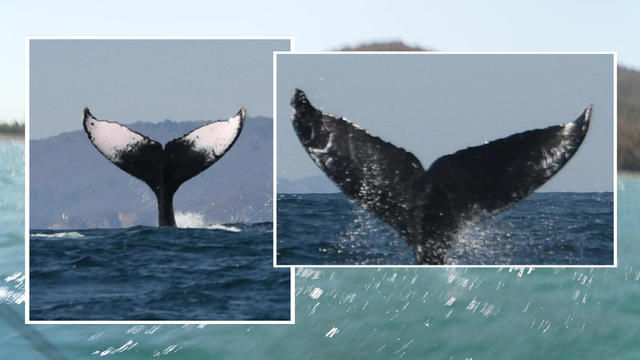
The website happywhale.com collects photos that whale-watchers take of the tails of humpbacks, helping ID and track specific whales in their travels around the world. Conor Knighton reports.

Scientists are now trying to solve the mystery of why it sheltered behind a fortress of defensive spikes.

Scientists identified a new species of whale from 41 million years ago. It's estimated to have been around 8 feet long and weighed about 412 pounds.