
Mystery of why world's largest ape went extinct finally solved, scientists say
Exactly why the great ape died off after flourishing for hundreds of thousands of years has been one of the lasting mysteries of paleontology.
Watch CBS News
Exactly why the great ape died off after flourishing for hundreds of thousands of years has been one of the lasting mysteries of paleontology.
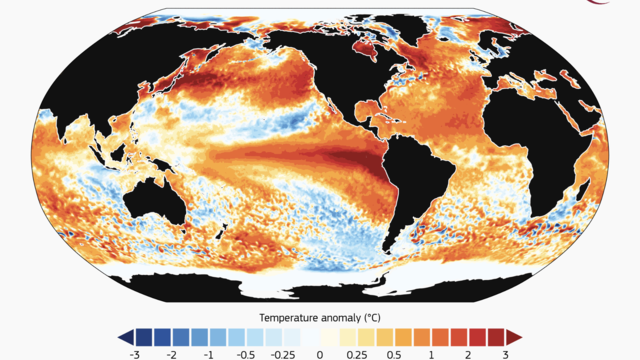
A breakdown of the numbers and elements that made 2023 the hottest year on record paints a picture of what's to come.

The findings come from a huge project to compare modern DNA with that culled from ancient humans' teeth and bones.

How can you avoid microplastics and nanoplastics lurking in plastic water bottles? Experts share tips and explain the potential health concerns.

Scientists at Columbia and Rutgers have found that bottled water contains high amounts of nanoplastics. There is concern among some scientists that nanoplastics could be small enough to enter the bloodstream and be transported to organs, including the brain. David Schechter reports.

Astronomy fans can enjoy celestial events throughout 2024, looking to the sky to see full moons, meteor showers and a total solar eclipse. Here are the key dates to mark on your calendar.

The expedition's lead archaeologist announced the find at the Archaeological Institute of America's annual meeting.

The increase in the planet's surface temperature nearly crossed the critical threshold of 1.5 degrees Celsius (2.66 degrees Fahrenheit) above pre-industrial times, European Union climate monitors say.
The aircraft, a collaboration with Lockheed Martin Skunk Works, is the centerpiece of NASA's Quesst mission, with an end goal of minimizing cross-country travel time by making supersonic flight over land possible.
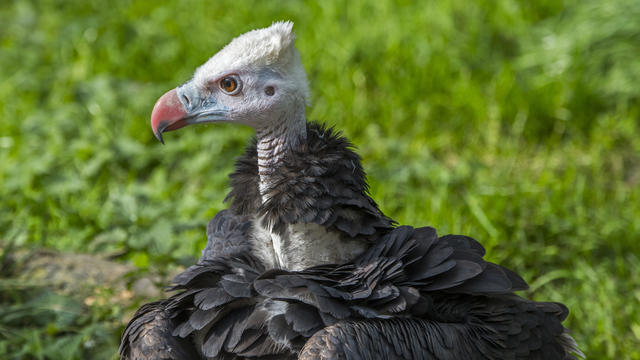
Dozens of species of raptors in Africa are seeing declining populations. Researchers warn the birds of prey are at risk of population collapse.