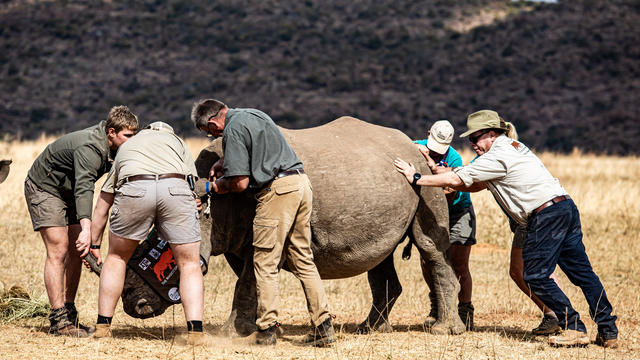
Rhino horns injected with radioactive material in bid to curb poaching
South Africa is home to a large majority of the world's rhinos and as such is a hot spot for poaching driven by demand from Asia.
Watch CBS News
South Africa is home to a large majority of the world's rhinos and as such is a hot spot for poaching driven by demand from Asia.
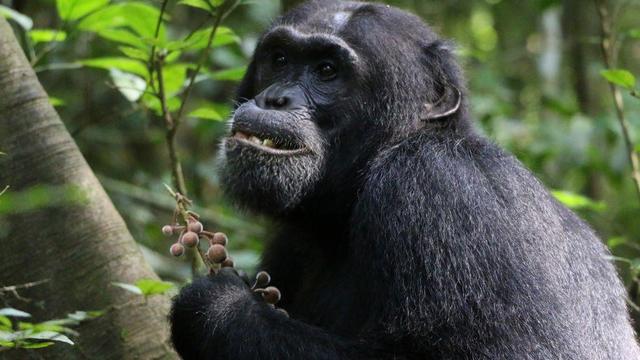
Scientists monitoring 51 chimpanzees saw sick or injured animals eating certain plant items that were not part of their normal diet.
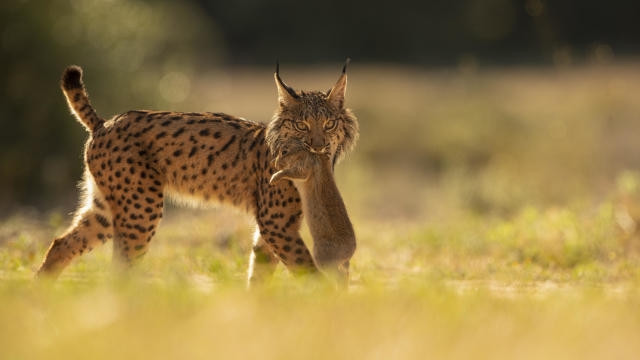
In 2001, there were only 62 mature Iberian lynx on the Iberian Peninsula.

Scientists studying a Colombian family plagued by early-in-life Alzheimer's have found a rare gene variant that seems to delay initial symptoms by about five years.

Climate change means there's a growing risk of spreading tropical diseases like dengue, which has seen a massive rise in cases in recent years. To limit the spread of such illnesses, scientists are using technological advancements like drones and artificial intelligence.

A dramatic cosmic explosion is expected this summer. NASA says the event will be visible to even the naked eye.

Photos of an Austrian Airlines flight went viral this week after a sudden hail storm ripped up the aircraft's nose and shattered its cockpit windows. One expert says it can happen in seconds.
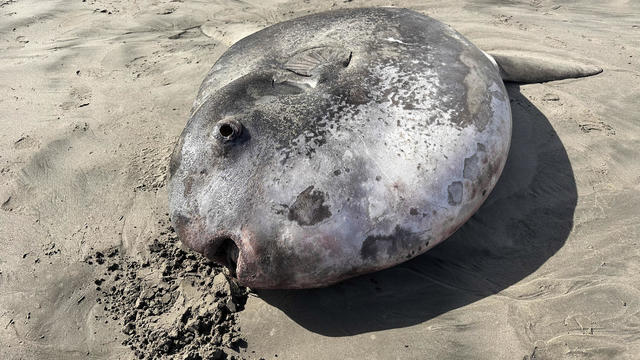
The massive bony fish turns out to be a species that was "hiding in plain sight" for more than a century.

As temperatures rise, new research shows critical limits for how heat affects the body may be lower than previously thought. Humidity is a big factor.
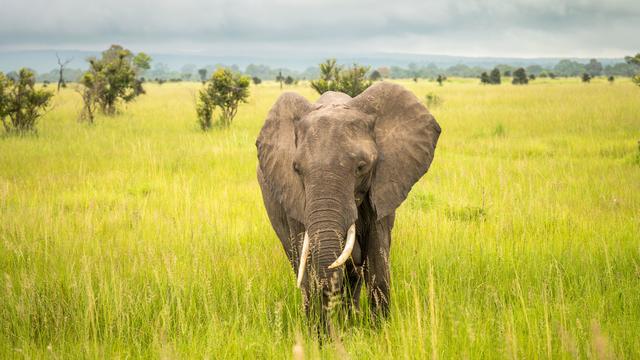
Videos show how African elephants may be the first nonhuman species to use vocal name-like identifiers for each other, suggesting "the capacity for some degree of symbolic thought," researchers said.