Study on breast cancer and birth control shows how science can be distorted
The study sought to answer questions about how breast cancer risk differs by type of hormonal contraceptive. Doctors say the results won't change how they counsel patients.
Watch CBS News
The study sought to answer questions about how breast cancer risk differs by type of hormonal contraceptive. Doctors say the results won't change how they counsel patients.
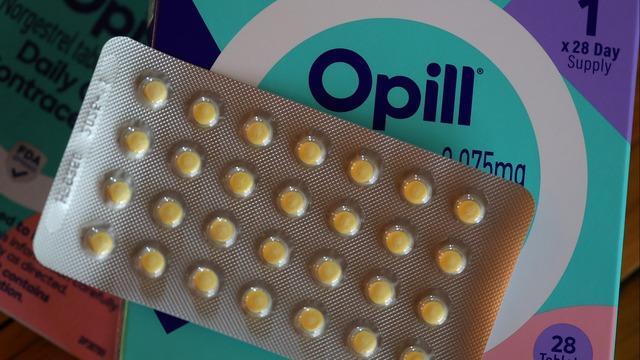
Two years ago, the first over-the-counter birth control pill was approved. Now, new research looks at who's switching to it and why.

Emergency birth control sales and appointments for IUDs spiked after Election Day over fears of what a Trump presidency could mean for women's reproductive rights.

People with private health insurance would be able to get OTC birth control methods like condoms, the "morning after" pill and birth control pills for free under a rule the White House is proposing.

More than 1 in 4 women who have had sex say they've used emergency contraception. The survey also found fewer teens are sexually active.
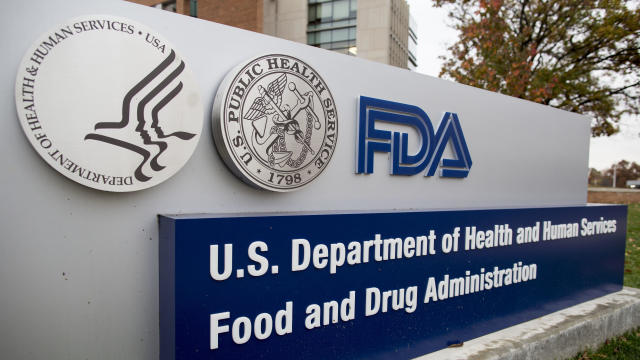
Testing revealed some lots of the Tydemy birth control tablets did not have enough of a key ingredient.

U.S. officials have approved the first over-the-counter birth control pill, a major change that will broaden access for women and teenagers.