San Francisco leaders explore options as pharmacies struggle to stay open

For people in San Francisco, access to a neighborhood pharmacy has become much harder in recent years, with major chains closing stores and independent pharmacies struggling to stay afloat. City leaders are exploring possible solutions, including the creation of co-ops.
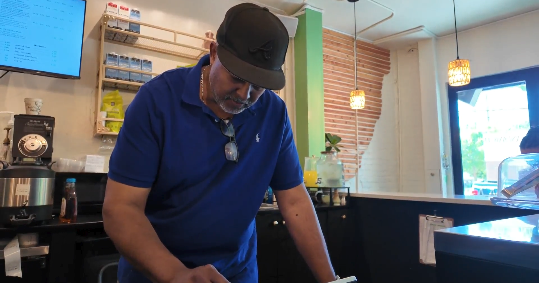
Iqbal Gill opened his first store last year after working for decades as a pharmacist, pouring his life savings into this small business.
But Reliable Rexall Sunset Pharmacy is struggling to keep its doors open.
"I feel like running away from here and locking the door and hiding somewhere," said Gill.
The pharmacy on Irving Street has been operating for more than 100 years. He's behind on rent, other bills, and more.
"Billing is still a mystery whether I get any reimbursement or not," said Gill.
Independent pharmacy owners say plunging reimbursement rates by PBMs - pharmacy benefit managers and big insurance plans, is a key factor leading to closures.
The National Community Pharmacists Association said more than half of surveyed owners say insurance plans are reimbursing pharmacies less than the cost to purchase the drug for at least three of every 20 prescriptions they fill.
"We cannot afford to get these reimbursements as compared to the major chains," said Gill.
As pharmacies, both independent and chains like Walgreens continue to shutter, those who rely on their services are left drifting in the wind.
Fred Cline said ordering online is beyond a challenge.
"All the print online and even on the bottles I can't read that anymore. I have two magnifying glasses," said Cline.
Others say insurance plans often require them to visit brick-and-mortar pharmacies for certain medications.
As closures abound, District 9 San Francisco Board of Supervisor Jackier Fielder is proposing the city explore ways to set up a co-owned and operated network of pharmacies.
"We're going to look at successful models from other cities that have addressed desert pharmacy deserts, evaluate strategies for the city to negotiate lower drug prices, to make medications more affordable, and identify alternative revenue streams to support pharmacy sustainability," Fielder told CBS News Bay Area.
Fielder's request for a budget and legislative analysis will take six to nine months.
Part of the report will outline legal and financial requirements of co-op pharmacies, including potential city funding.
But Gill isn't sure how long he can hold on. Recent break-ins have set him back even further.
"They broke open and took away the drugs," said Gill.
Gill's vision was to stock aisles with essentials to make it a more vibrant neighborhood pharmacy.
"People come to buy something from the pharmacy, they'll also buy something else," he said.
But reimbursement challenges and more are making it difficult to supply the rest of his store, leading to fewer sales each day.
"Maybe I made one dollar. Maybe I lost two dollars, who knows," said Gill.
He's hanging on, but understands the end may be near.
Fielder said findings and recommendations from the budget and legislative analysis of co-ops will be made public and discussed with city leaders, community stakeholders and remaining pharmacies.
Her office said 63 pharmacies have closed in San Francisco between 2015 and March 2025, including the 12 Walgreens locations that recently shut down in the city