Oakland facing years of structural budget deficits, forecast warns
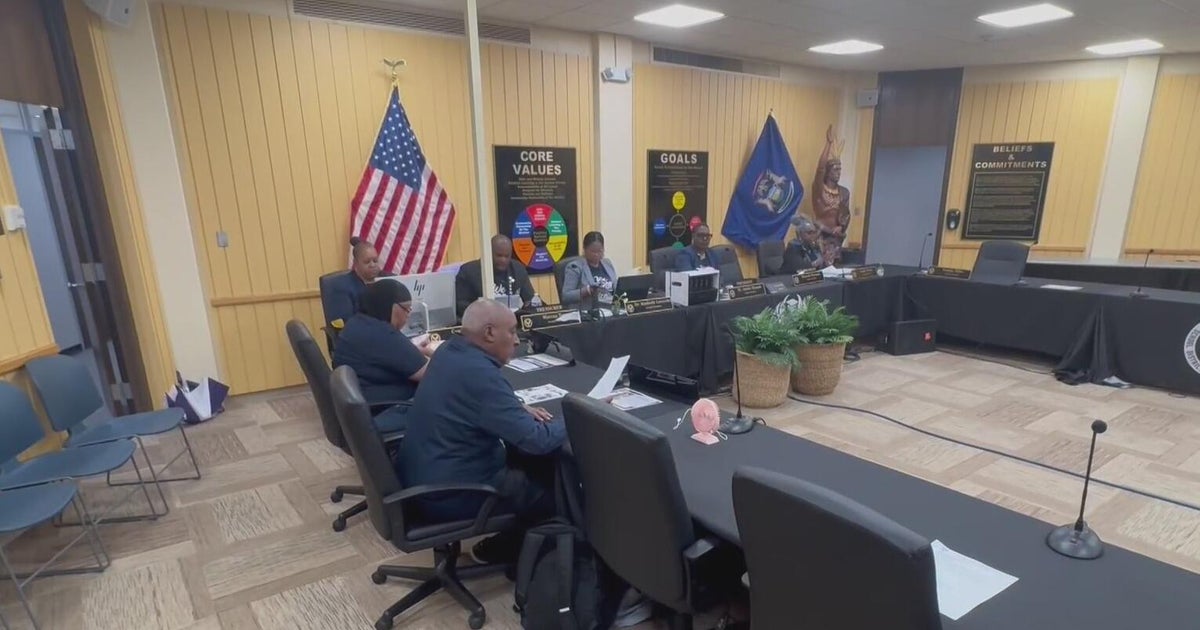
Oakland is on pace to continue spending more than it earns over the next five years if the city doesn't take steps to address its ongoing structural deficit, according to a report presented to members of the City Council on Tuesday.
In its annual "Five-Year Financial Forecast," Oakland's Finance Department predicts yearly budget deficits ranging from about $115 million to nearly $130 million until the end of fiscal year 2029-2030.
"Rising costs for insurance, medical benefits, and pension obligations will place increasing pressure on the (general purpose fund) and other funds in future budget cycles," according to the report, which was presented to the council's Finance and Management Committee.
The report will be heard by the full City Council at an upcoming meeting and is intended to help the city's leadership understand how macroeconomic trends impact the budget and to quantify the city's spending and revenue patterns.
Some key findings include the expectation that property tax revenue will grow at a modest 1.6 percent next fiscal year and will reach 3 percent by the following year, and that the general fund will be supplemented by about $30 million annually after voters approved a new sales tax in April.
Business tax revenue is projected to grow by 3.7 percent, hampered somewhat by the departure of Kaiser Permanente's headquarters, the Athletics baseball team and some high-profile restaurant and hotel closings, while real estate transfer tax revenue should rise by about 4 percent.
Still, without adjustments, the city's spending remains unsustainable, outpacing its overall 3 percent revenue growth over the next few years, said Director of Finance Erin Roseman.
"This is how you get to the definition of a structural imbalance, that the revenues are growing at a slower pace than the expenditures are," Roseman said.
She also noted that President Donald Trump's recent on-again, off-again tariff wars with multiple overseas trading partners is increasing the risk of a recession over the next two to five years, which would have additional negative impacts on the city's ability to balance its budget.
"As we've seen with the federal administration and its large effects on the macroeconomy, in the current few years we expect there to be downward pressure," she said.
The City Council on Wednesday will hold a budget workshop to review and discuss the roughly $4.4 billion, two-year budget proposal from Councilmember Kevin Jenkins, who drafted the document while serving as interim mayor prior to the inauguration of Barbara Lee.
That proposal seeks to balance the 2025-2026/2026-2027 budget by, in part, reducing the Oakland Police Department's overtime spending from a recent high of about $50 million per year to roughly $34 million next fiscal year and $38 million the year after that.
It also eliminates more than 400 mostly vacant city jobs, includes fewer than a dozen actual layoffs, while anticipating additional revenue streams, including a possible $40 million-a-year parcel tax for the June 2026 ballot and bond sales of $180 million for affordable housing and $30 million for street paving.
In a bit of positive financial news, the Finance and Management Committee also heard a third-quarter fiscal report Tuesday about how the city is on pace to end this fiscal year with a balanced budget, despite being "plagued with some challenges," Roseman said.
That feat was achieved by the City Council's mid-cycle budget adjustments in December of 2024, the implementation of a contingency budget, temporary closure of four fire stations on a rotating basis and the transfer of some money from other areas, including an emergency reserve fund, into the city's general fund in order to eliminate a roughly $120 million deficit.
"We believe that we can end this year with a marginally positive amount of $383,000, effectively balancing this fiscal year's budget," Roseman said.