Marin County proposes workforce housing project for school staff, county employees
The cost of housing in Marin County has pushed essential workers farther from the communities they serve, including teachers and school staff.
That means longer commutes for many, including Tania Morales, who lives in Point Richmond in the East Bay. Part of her commute includes a 10-minute walk to a bus stop.
"I get here at about 6:30 because if I catch the next bus, it'll get me here too late to start to work," said Morales.
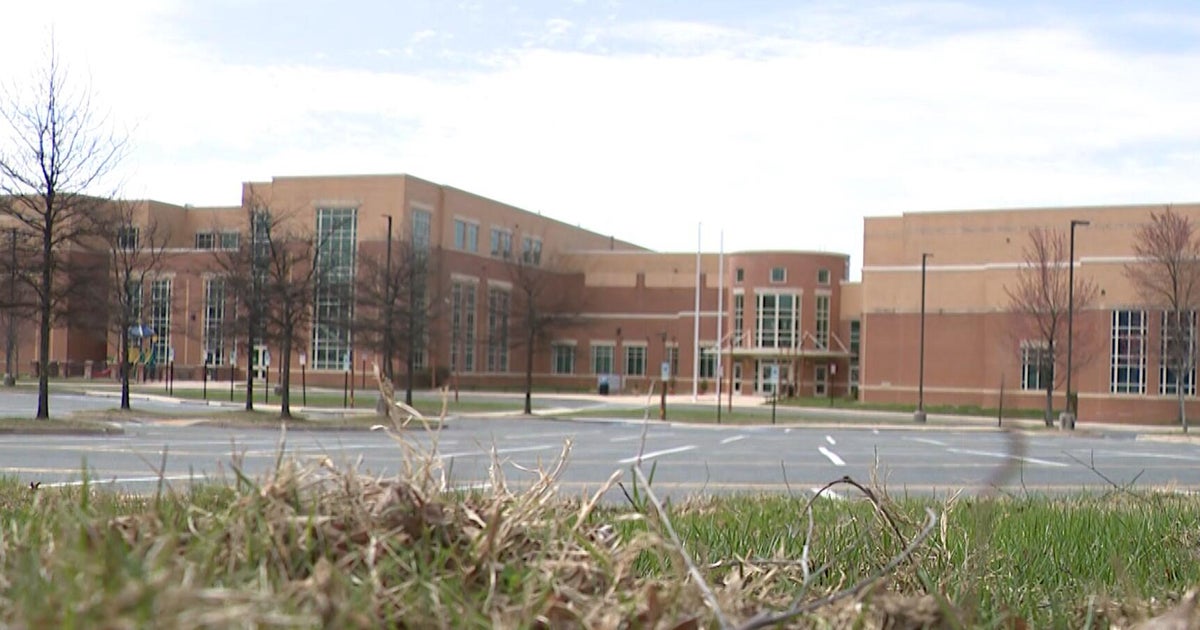
Morales has worked at the Madrone High School office in San Rafael for more than 10 years.
Finding a place to live in Marin County hasn't been easy.
"Finding a two-bedroom apartment here in Marin was really kind of difficult because it's so expensive over here," said Morales.
That struggle for school employees is why county leaders proposed the Oak Hill Workforce Housing Project.
Planned on state-owned land near the San Quentin Rehabilitation Center, the development includes 135 workforce apartments for educators, school staff, and county employees.
Marin County Office of Education Superintendent John Carroll says it is the largest county workforce housing project to date.
"For sure, our biggest issue was the cost of housing. So we'd hire people, and they'd say, 'Oh great, I get to work in Marin.' They'd find out how much it costs to live here, and then they'd go work somewhere else," said Carroll.
To help make the project financially feasible, the MCOE is taking on a bigger role as a rental-income guarantor, a move county officials say could lower borrowing costs and help keep rents affordable.
"For me, it would make a huge difference to be able to live in one of those apartments," said Morales.
But not everyone is convinced this is the best way to spend public funds. Some local critics argue that guaranteeing income for the project, which still faces financing and planning hurdles, could put county resources at risk.
"Is it really the best use of funds to be committing it to back what has already been deemed to be a very risky project?" said Mimi Willard of the Coalition of Sensible Taxpayers.
Still, for education workers like Morales, the idea of living near their community, and near the students they serve, would be life-changing.
"Having a place where we can stay in our community and be able to afford to live in our community where our students go is really important," said Morales.
Morales hopes workforce housing like this can help address the high cost of housing in Marin.
County officials say almost two-thirds of workers in Marin commute from outside of the county, contributing to more traffic in the community and the region.
The county says the Oak Hill project would be financed with a mix of bonds, state and local grants, and housing funds.