ICE's detainee population reaches new record high of 73,000, as crackdown widens

The number of detainees in U.S. Immigration and Customs Enforcement custody has reached a new record high, surpassing 70,000 for the first time in the deportation agency's 23-year history, according to internal Department of Homeland Security data obtained by CBS News.
As of Thursday, ICE was holding about 73,000 individuals facing deportation in its custody across the country, the highest level recorded by the agency and an 84% increase from the same time in 2025, when its detention population hovered below 40,000, the internal statistics show.
The Trump administration has said it is aiming to be able to detain upwards of 100,000 immigration detainees at any given time, as part of its government-wide effort to carry out a deportation crackdown of unprecedented proportions.
Former senior U.S. immigration officials said they were not aware of any other period in American history when the U.S. government had held more people in immigration detention.
"It is absolutely a record, certainly in modern times," said Doris Meissner, a Clinton administration official who led the now-defunct Immigration and Naturalization Service, or INS, a predecessor of ICE and other federal immigration agencies.
The DHS figures obtained by CBS News show nearly 67,000 of the individuals in ICE custody on Thursday were single adult detainees facing deportation because of alleged violations of U.S. immigration law. Another 6,000 detainees were classified as family units, or parents and underage children taken into custody as families for alleged immigration violations.
ICE detains foreigners placed in deportation proceedings because of immigration violations, such as entering the U.S. illegally or overstaying a visa, as well as legal immigrants whose status lapses or is revoked because of criminal offenses. Some of those held by the agency have criminal charges or convictions, in addition to being accused of civil immigration violations.
The internal DHS data indicates roughly 47% — or about 34,000 — of ICE's detainees had criminal charges or convictions in the U.S. The numbers do not include details on the severity of the criminal records, which can range from felonies and other serious crimes, to misdemeanors and immigration-related offenses.
The rest of the detainees are classified by ICE as "immigration violators," meaning they are neither convicted of crimes or facing charges in the U.S. and were being held solely due to civil immigration violations.
While all three categories of ICE detainees — immigration violators, those with criminal charges and those with criminal convictions — have grown since the start of the second Trump administration, figures posted by the agency every two weeks show the non-criminal group has seen the most acute and rapid rise.
When focusing solely on ICE detainees initially arrested by the agency — and not Border Patrol — there has been a 2,500% surge in non-criminal detainees from Jan. 26, 2025 (945) to Jan. 7, 2026 (24,644), according to the latest publicly available government data. During that time, the number of detainees arrested by ICE who have criminal convictions or charges has grown by 80% and 243%, respectively.
In a statement to CBS News, DHS assistant secretary for public affairs Tricia McLaughlin said 70% of those arrested by ICE under the second Trump administration — not those currently in the agency's custody — have criminal charges or convictions in the U.S. She said those listed as "immigration violators" could have criminal histories abroad or terrorism ties.
In regards to the growing detainee population, McLaughlin said, "As we arrest and remove criminal illegal aliens and public safety threats from the U.S., ICE has worked diligently to obtain greater necessary detention space while avoiding overcrowding."
"Thanks to the One Big Beautiful Bill, ICE now has historic funding to secure enough detention capacity to maintain an average daily population of 100,000 illegal aliens and 80,000 new ICE beds," she added.
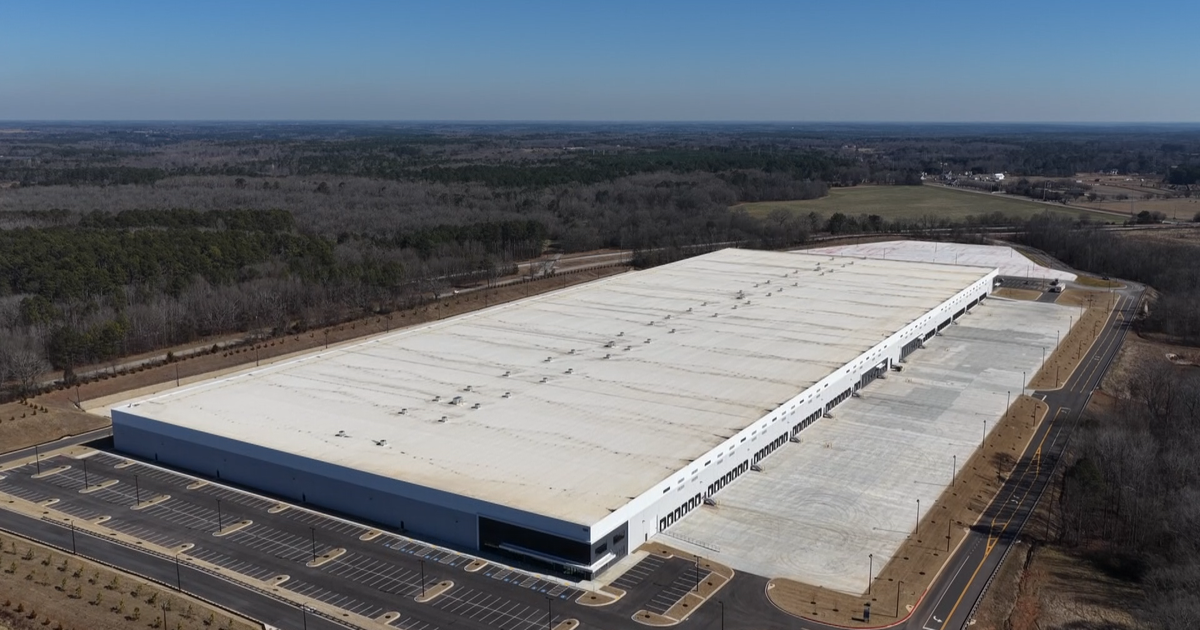
The steady growth in ICE's detainee population over the past months comes after the agency received an unprecedented infusion of funding through the One Big Beautiful Act last year, including $45 billion alone to expand detention space. In addition to its traditional use of county jails and for-profit prisons, ICE has expanded its detention capacity by using other facilities, including military sites like Fort Bliss in Texas.
Republican officials in places like Florida and Louisiana have offered state facilities, like the so-called "Alligator Alcatraz" detention center in the Everglades, to hold those facing deportation. ICE has also used field offices in major U.S. cities to hold detainees, often for days, even though such facilities are not designed for long-term detention.
"We are talking about a system that already, prior to the Big Beautiful Bill, constituted the largest detention and removal infrastructure of any country in the world — and now it's being put on steroids," said Meissner, now a senior fellow at the Migration Policy Institute, a non-partisan think tank.
Under President Trump, ICE has been given a broad mandate to turbocharge immigration arrests and deportations, with the agency rescinding Biden-era rules that required officers to largely focus on arresting serious offenders, national security threats and recent arrivals in the U.S. illegally.
The administration has dispatched thousands of ICE officers and Border Patrol agents to stage highly-visible raids in major American cities like Los Angeles and Chicago, where their tactics and use of force have been decried as overly harsh and indiscriminate by local leaders and some residents.
Most recently, the administration has deployed roughly 3,000 ICE and Border Patrol agents to the streets of Minneapolis and surrounding communities, an operation DHS has called the largest in its history. Clashes and protests there have intensified since the killing of Minnesota resident Renee Good by an ICE officer last week.