Coronavirus Update: Empty Bay Area Emergency Rooms Advise People To Seek Treatment Despite Pandemic
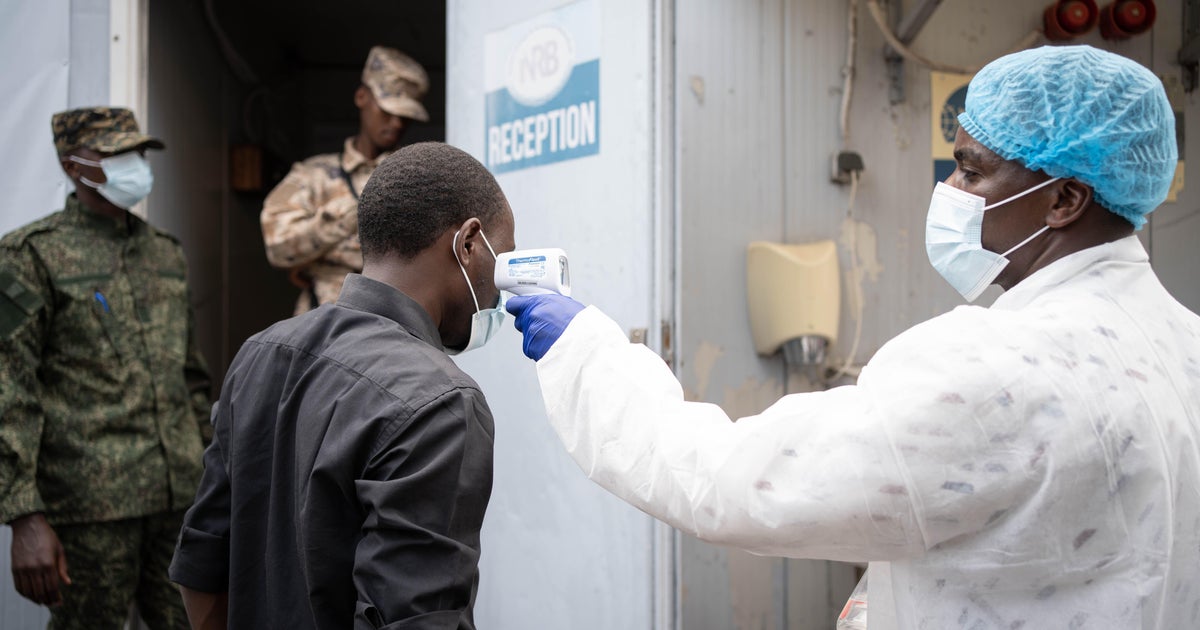
SAN FRANCISCO (KPIX 5) -- A quick survey of Bay Area emergency rooms tell the story: patients, even those with life-threatening conditions, are staying far away. It's not just the virus that's spreading; it's the fear.
From John Muir Medical Center in Walnut Creek to Stanford Health Care on the peninsula, emergency rooms around the Bay Area appear to be unusually empty.
"We've seen a 40 percent drop in emergency room visits," said Stanford Health Care CEO and President David Entwhistle.
"It's a phenomenon that we're seeing throughout the East Bay," concurred Dr. Ronn Berrol, medical director of the emergency department at Sutter's Alta Bates Summit Medical Center in Oakland.
UCSF's Chief of Emergency Care Dr. Maria Raven says the same thing. "Our volumes are significantly down from normal, and that's what is being seen across the entire Bay Area in emergency departments," she said.
KPIX 5 surveyed local medical centers and found visits to Bay Area emergency rooms have dropped anywhere from 30 jto 50 percent. Some patients who really need emergency care are not showing up, health officials said.
What we found was a 50 percent reduction in patients coming in with acute heart attacks," said Dr. Junaid Khan, director of cardiovascular services at Sutter's Alta Bates Summit Medical Center. "In our community, a couple of patients who had symptoms of appendicitis, unfortunately, they did not come in. And unfortunately, they had ruptured by the time they arrived."
Asthma patient Vanessa Johnson said the coronavirus pandemic is keeping people like her home. "The fear of going where other people definitely had the virus," she said .
Johnson, who also has a history of pulmonary blood clots, said her mother also has multiple health issues. A few weeks ago, they decided to stay away from the emergency room during this COVID-19 emergency.
"We were very afraid of going to the hospital and decided to stay home," said Johnson. "Kind of at all costs, really, to stay here."
The consequences for some patients, especially those with heart attacks and strokes, can be deadly. "By the time they came in, we were not able to help them," said Khan.
"There's a certain window in which we know we can give the best treatment to people for those sorts of disorders," said Raven.
On Wednesday, Gov. Gavin Newsom announced the first shift in reopening the state. Hospitals can soon begin to schedule certain essential surgeries. Now Bay Area ERs want to remind people they are open 24/7.
With the flattening of the curve and strict medical policies in place, Johnson, who volunteers at Stanford, has now shifted her position. "I would go now, and [my mother] would go now, too."
One reason emergency departments are less full is because the number of car crashes has dropped significantly. According to data from San Francisco, the city has seen a drop of about 50 percent from the months of April 2019 to April 2020 so far.