Skyrocketing diesel prices strain California's small trucking companies

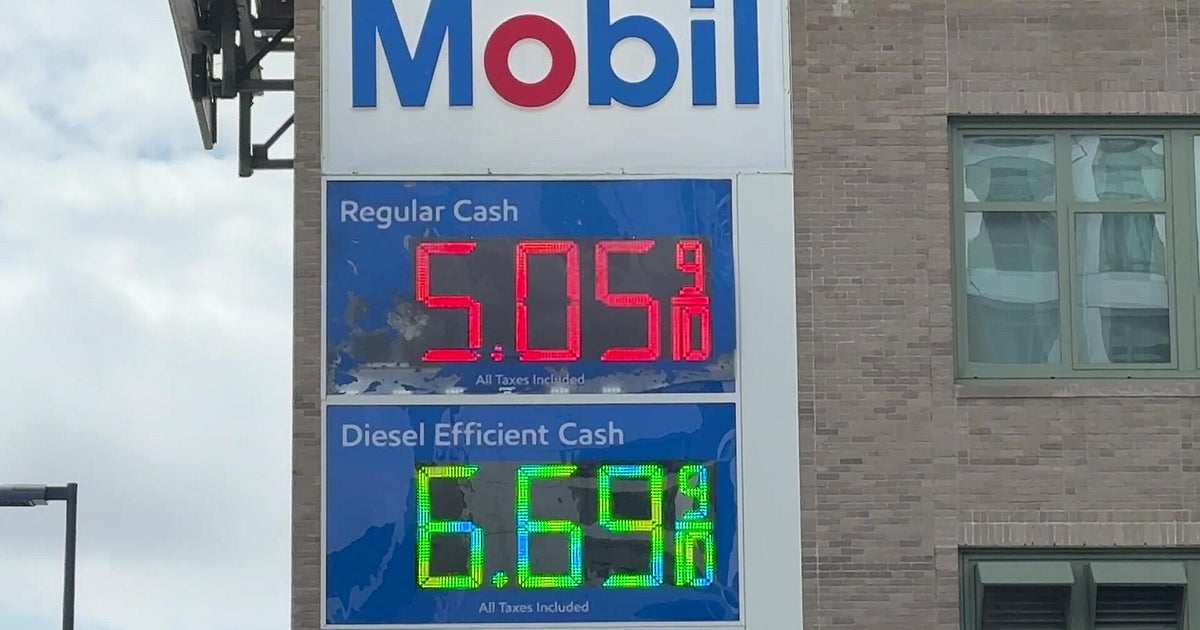
The cost of diesel fuel is nearing $8 per gallon in parts of California, creating significant pressure on small trucking companies already struggling. Industry experts warn that if prices continue to climb, many smaller trucking companies may struggle to stay in business.
At Time-X Incorporated Trucking, the impact is already being felt. Owner Harpreet Zepra says the current fuel market is unlike anything he has seen in more than 15 years in the industry.
"The uncertainty is too much. Nobody knows what's going on. Some days it gets better... some days it gets worse," Zepra said.
Global tensions, including the ongoing war in Iran, are contributing to rising fuel costs with ripple effects reaching California businesses that rely on diesel.
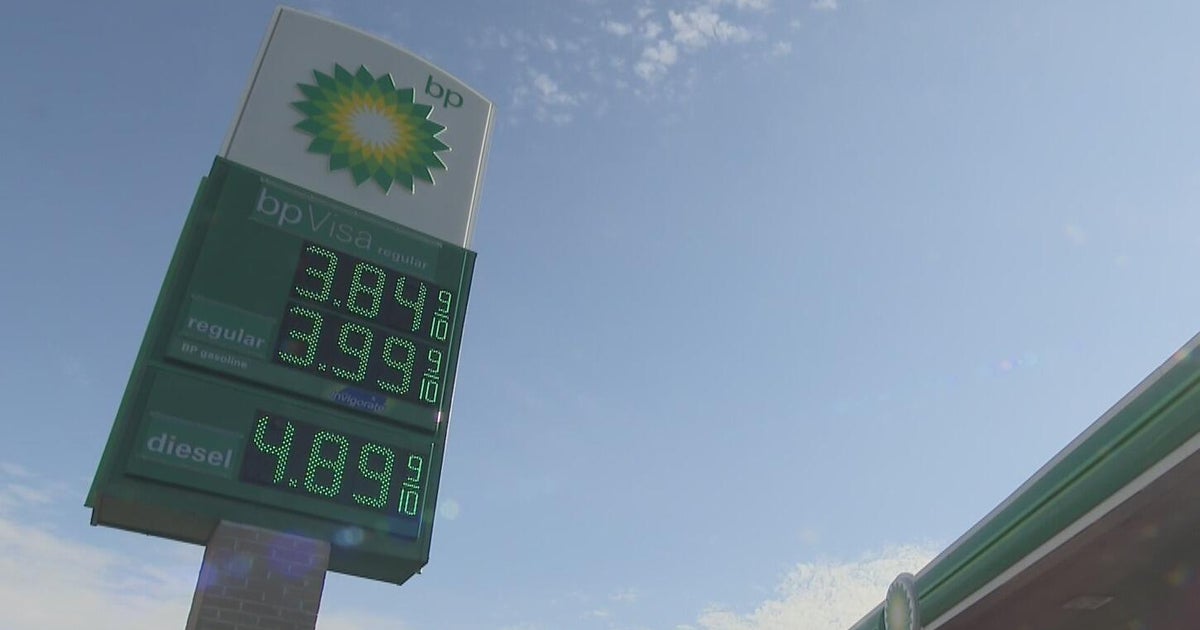
According to AAA, the statewide average price for diesel is now about $7.72 per gallon, with some stations charging more than $8 per gallon.
For small trucking companies, the increases are forcing difficult decisions. Zepra says higher fuel costs are adding to already high overhead expenses.
"We are hardly surviving. Trying to work with the banks... overhead costs are already high... so fuel prices are a nail in the coffin," Zepra said.
Drivers report it now costs between $1,400 and $1,600 to fill a single truck tank, and some drivers are refueling as often as three times per week.
Raman Dhillon, CEO of the North American Punjabi Trucking Association, says fuel costs have risen dramatically in a short period of time.
"We've almost doubled the cost in about a month and a half," Dhillon said.
Larger companies such as Amazon, UPS, and FedEx often offset higher fuel costs by adding surcharges to deliveries. However, smaller trucking companies do not always have the ability to pass those costs on to customers without risking losing business.
"I think the smaller trucking companies are carrying it out on their own expense and I don't know how long they can keep doing that," Dhillon said.
Industry leaders warn consumers could eventually feel the effects of higher fuel prices through increased costs on goods ranging from groceries to everyday household items.