How California advocacy groups help shield farmworker women from violence
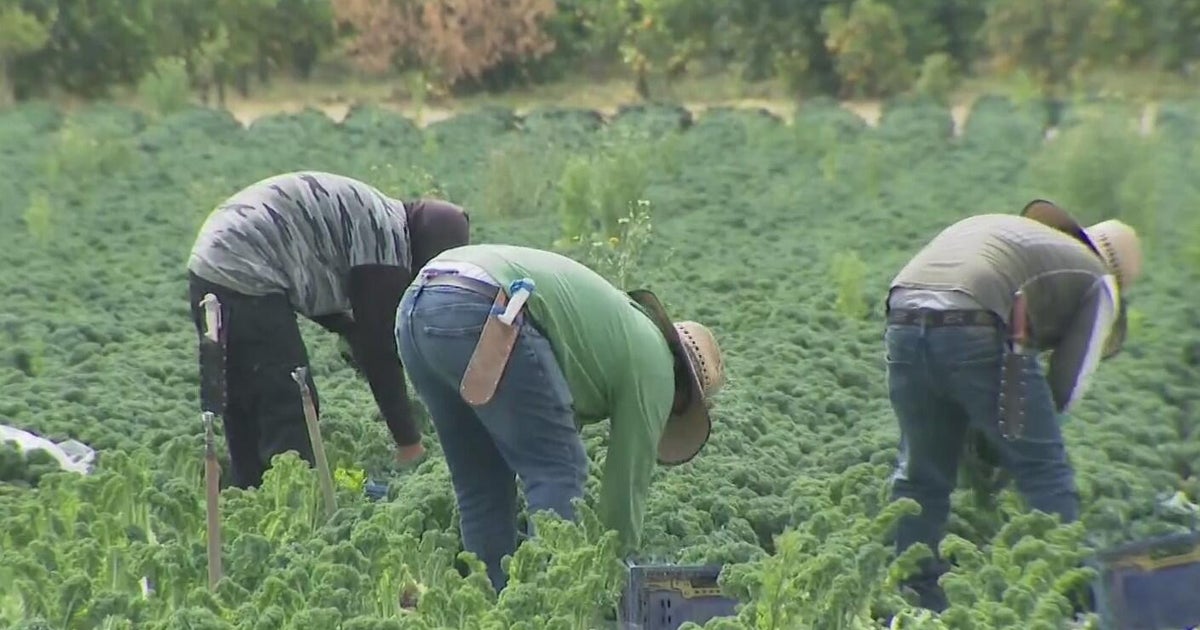
Roughly one-third of California's farmworkers are women, and as many as 80% say they've faced harassment, assault, or threats while working in the fields, according to the Center for Farmworker Families.
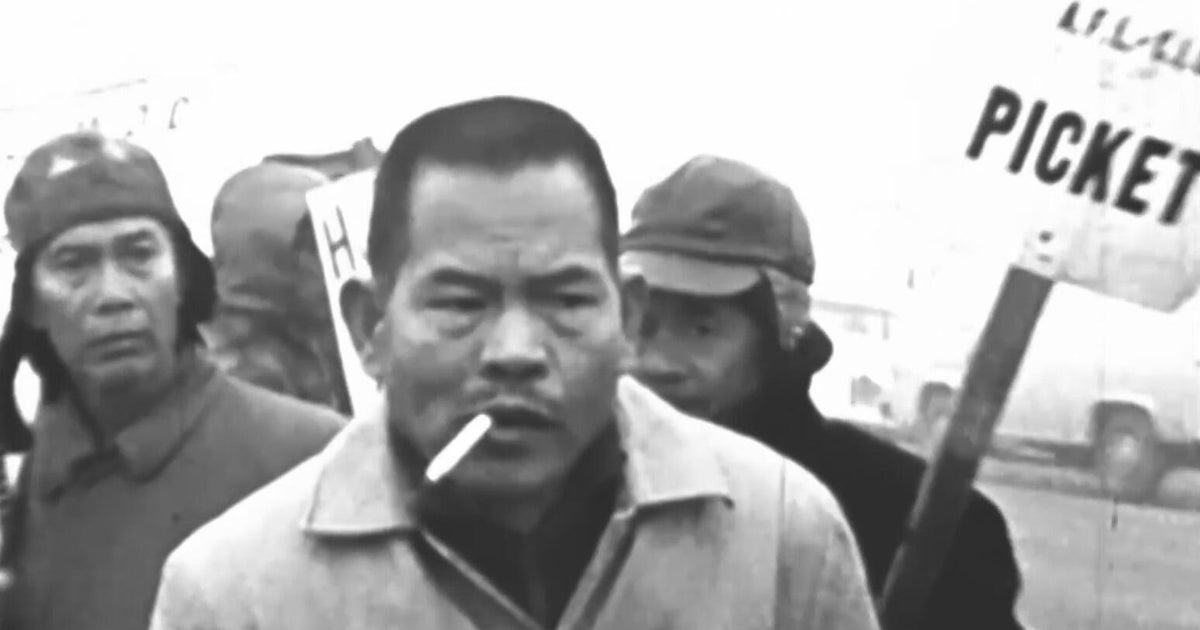
The issue of abuse and silence in farmworker communities has taken on new urgency in recent weeks. Labor leader Dolores Huerta, who co-founded the United Farm Workers (UFW) union with Cesar Chavez in the 1960s, disclosed that she was sexually assaulted twice by the late labor leader. Chavez was the center of an investigation by The New York Times, which detailed allegations of sexual abuse against Chavez involving women and minors.
Huerta said she kept the assaults secret because she feared exposing the truth would harm the farmworker movement she had devoted her life to.
Often, those experiences go unreported, but now, women farmworkers are sharing their stories and finding help through organizations like Líderes Campesinas.
In a video produced by the organization, a woman named Zaida shares her own experiences. Zaida has worked for more than seven years in a grape vineyard and says women in the fields experience harassment from coworkers or bosses but often stay silent out of fear of retaliation or even threats to their lives.
Women-run organizations, like Líderes Campesinas, created by women, for women, help farmworkers feel protected when speaking up and getting support. The organization provides everything from medical care after assaults to legal guidance, reporting assistance, and protection from retaliation. They also hold community meetings to teach women about sexual harassment, sexual abuse, and their rights.
It's knowledge that many have never had before.
"One [farmworker woman] disclosed to me that the foreman did tell her, 'Don't forget, I have all your personal information. I know where you live. I know where your children go to school. I will call immigration on you.' So, again, it's something that they have to think about," said Elvira Herrera, the coordinator for the Violence Against Women program within Líderes Campesinas.
Herrera has worked with farmworkers for more than 25 years. She explains that women stay quiet because of fear, and the reasons they don't report can be "endless."
"They are more informed now on the rights. At times, a lot of women don't know that was a sexual harassment. I'll give this example of a case that I had. The foreman touched her breast every time he'll grab a box from her. And after a while, she's like, that feels uncomfortable... so we ended up connecting her with the Equal Employment Opportunity Commission, and they opened a case," said Herrera.
She said the organization helped the woman keep her job even after threats of retaliation by the foreman.
Advocates say hearing other women speak out gives survivors the courage to come forward themselves. Herrera says that when women see others speaking up in their community, they realize that if someone else can do it, they can too.
In response to the broader Chavez allegations, the UFW announced it would distance itself from Chavez and abstain from Cesar Chavez Day activities, calling the allegations "crushing."
California has also officially recognized the March 31 holiday, once devoted to Chavez, as Farmworkers Day.