Bay Area weather calms before the next storm; rain expected through New Year's Eve
SAN FRANCISCO -- The Bay Area woke up Wednesday to patchy fog - with denser fog in California's Central Valley - as one winter storm left the state and another lined up to enter.
The new storm was expected to move through Northern California late Wednesday and overnight, followed by multiple rounds of precipitation through the rest of the week and into next week, the National Weather Service said.
This latest storm system could bring another one to six inches of rain across the region following the atmospheric river that blew through the Bay Area beginning late Monday with howling winds, drenching rains, and driving snow in the Sierra as it spread south.
Light rain was expected to begin again in the North Bay starting Wednesday night, spreading across the Bay Area and continuing through the end of the year. The Bay Area will see the heaviest rain from early to late Saturday morning. Then the heavier rain will move to Santa Cruz southward to the Big Sur coast late Saturday morning through afternoon.
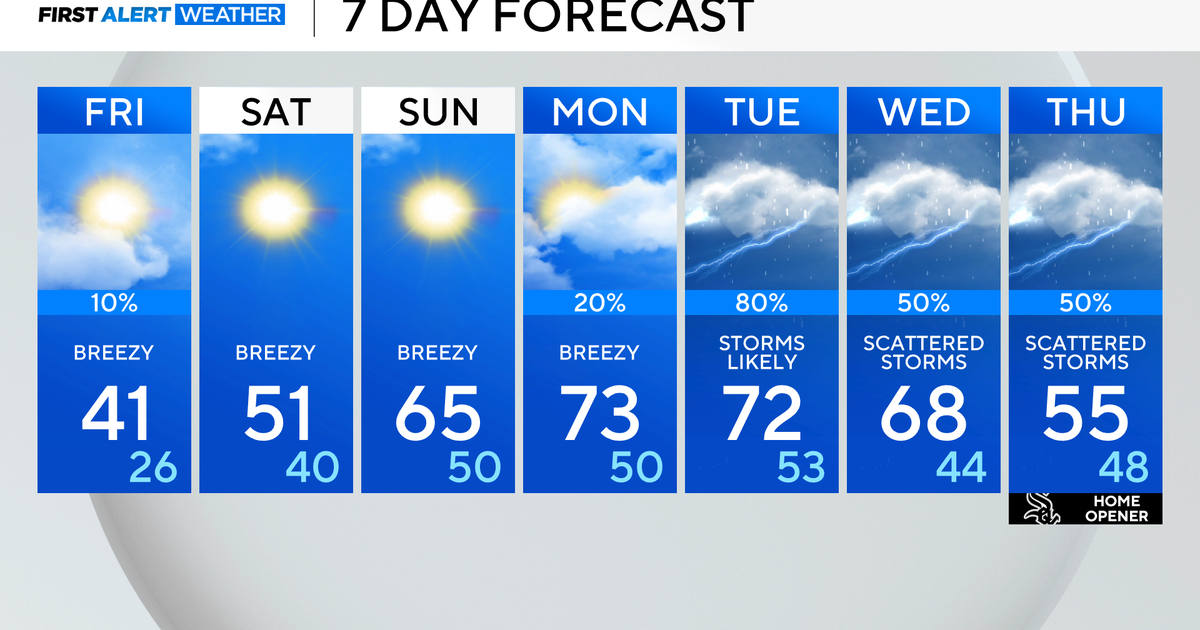
KPIX 5 First Alert Weather: Current Conditions, Forecasts, Alerts For Your Area
The weather service said that Saturday evening, roads will still be wet for New Year's Eve celebrations, but the rain intensity should be lighter.
The forecast for January 1 was dry, but another storm was forecast for January 2-4.
The rest of Wednesday was expected to be mostly dry with seasonable daytime highs in the 50s. Light rain will begin impacting the North Bay late Wednesday spreading southward around midnight and overnight into Thursday.
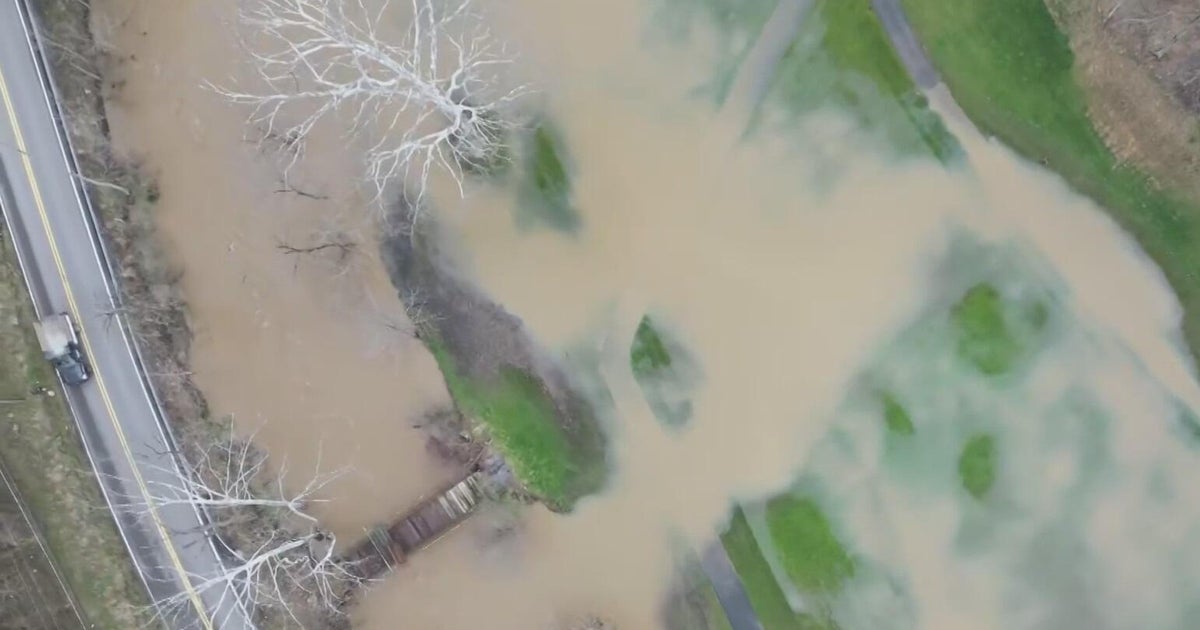
The weather service said these upcoming wet periods will increase the potential for localized flooding, small rock slides along roads, downed branches and trees, and will bring a return of hazardous road conditions.
State Department of Water Resources data show that drought-stricken California's mountain snowpack, a third of the state's water supply, is off to a good start. But experts remain cautious. Last winter had a similar start and then turned extraordinarily dry from January through March.