Talks on landmark plastic pollution treaty end without an agreement
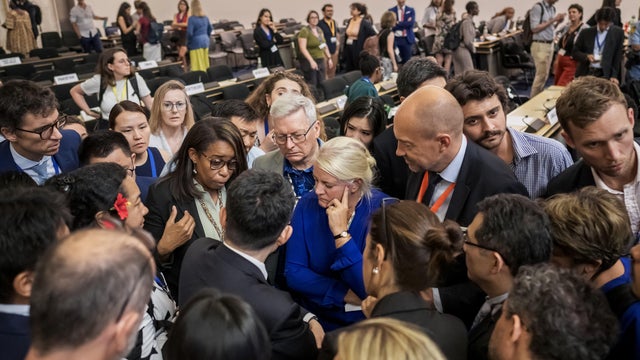
Negotiators working on a landmark treaty to address the global crisis of plastic pollution failed to reach an agreement during talks that extended into Friday in Geneva.
Watch CBS News
Negotiators working on a landmark treaty to address the global crisis of plastic pollution failed to reach an agreement during talks that extended into Friday in Geneva.
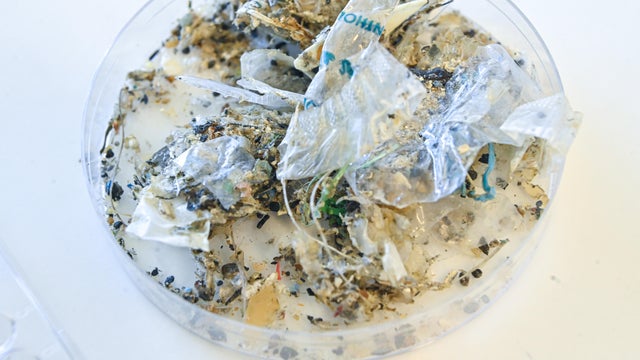
Plastic pollution is a "grave, growing and under-recognized danger" to health that is costing the world at least $1.5 trillion a year, a report in the Lancet medical journals warns
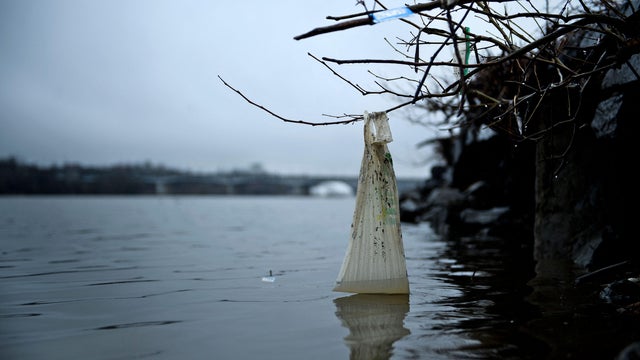
Researchers conducted the first systematic review of policies around the U.S. to limit plastic bag use.
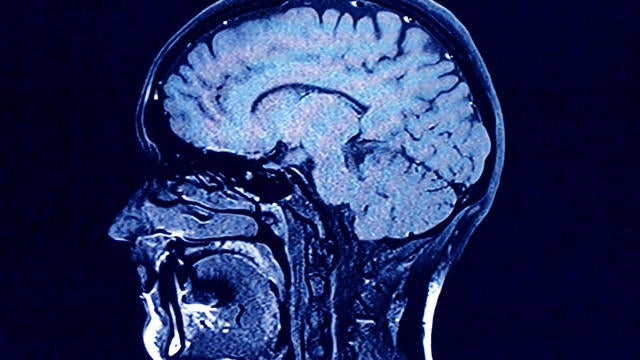
Human brains contain higher concentrations of microplastics than other organs, according to a new study, and the amount appears to be increasing over time.

While the Halloween holiday brings excitement, creativity, and happy delirium for many kids, it also generates an unsettling amount of plastic waste.
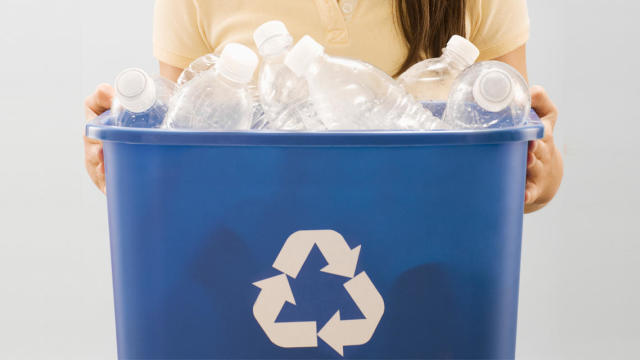
Less than 10% of plastics in the U.S. are recycled.
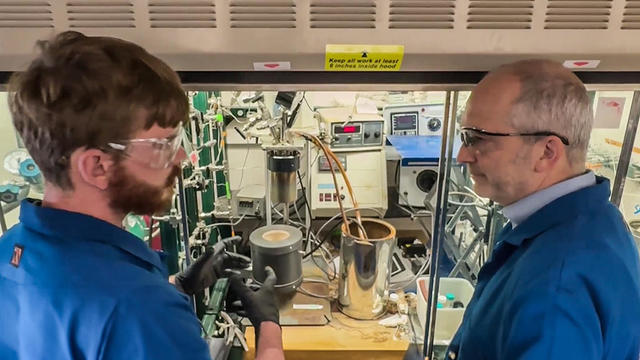
A new process to recycle existing plastics indefinitely and reduce the flood of plastics into landfills is being developed by scientists at the University of California, Berkeley.
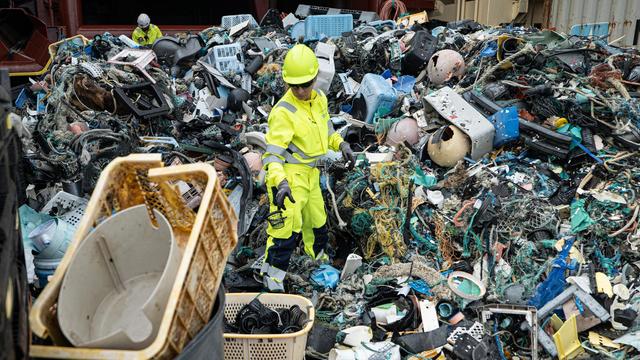
Removing the plastic now helps to stop it from degrading and shedding additional microplastics into the ocean, which can enter the food chain and eventually end up in the human body.
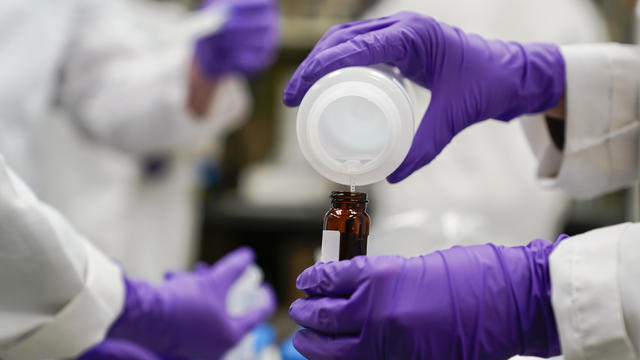
Study finds cancer-linked PFAS chemicals prevalent in drinking water sources across the globe, including many far over regulatory limits.
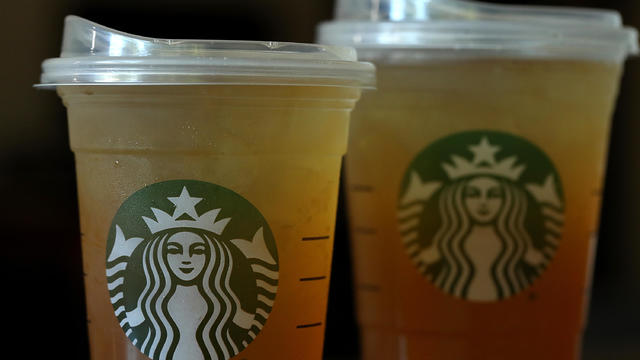
Starbucks unveiled the new cups ahead of Earth Day and as a new report warns plastic production emissions are even greater than those from aviation.
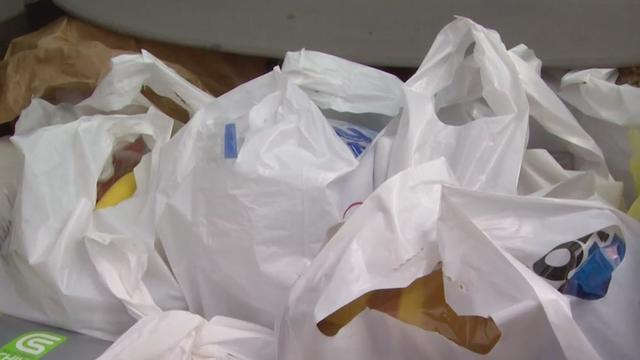
A new bill was introduced to the legislature to ban plastic grocery bags altogether across California, closing a loophole that has allowed them to remain in stores.
California would ban all plastic shopping bags in 2026 under a new bill in the state Legislature.
How can you avoid microplastics and nanoplastics lurking in plastic water bottles? Experts share tips and explain the potential health concerns.
A new study by researchers at Columbia and Rutgers shows that the average liter of bottled water contains nearly a quarter million pieces of nanoplastic.
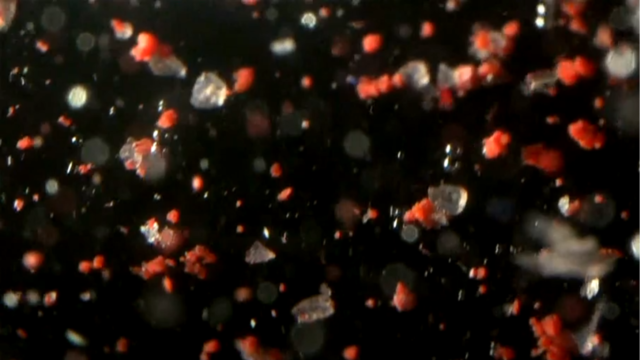
A recent study estimates there are now 170 trillion pieces of plastic in the ocean.
Danish toy giant Lego said 2 years of experimentation with blocks made from recycled plastic bottles showed they "didn't reduce carbon emissions."
It's universally recognized as a sign to recycle. But the EPA is now saying it's also universally confusing, since many plastics can't easily be recycled.
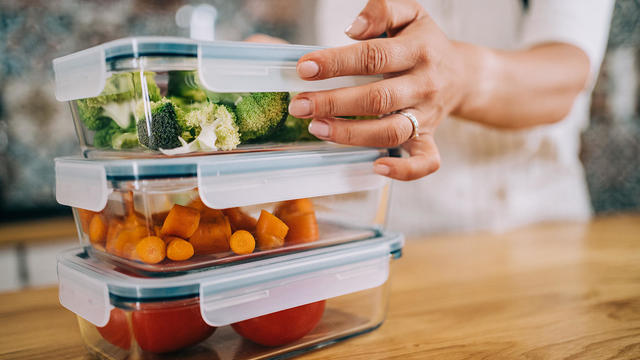
Since Tupperware, the iconic kitchen brand that's been a household name for decades, signaled recently that it might be going out of business, you might be wondering how long your stash of its food storage containers is safe to use — especially if it's vintage.
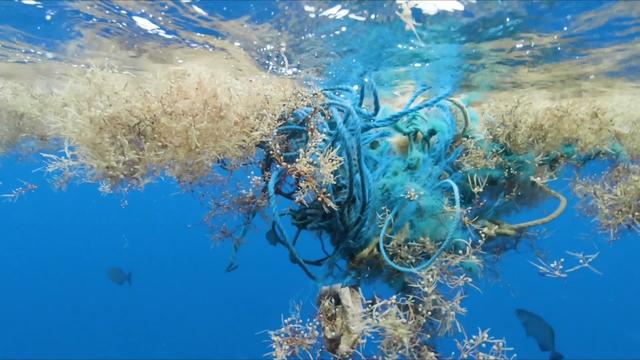
The organization behind the study said it highlights "the need for legally binding agreements" to hold companies to account "for the entire life of the things they make."
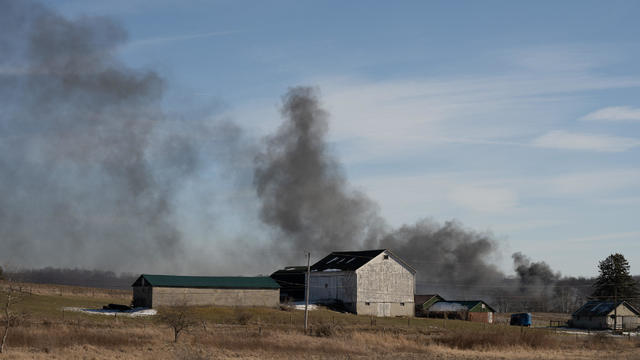
The Ohio train derailment is a "wake-up call" for the reality of vinyl chloride's role in human and environmental health, experts say.
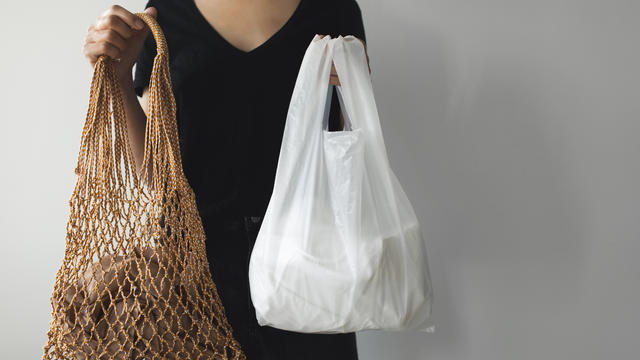
Since California adopted the nation's first ban on single-use plastic shopping bags tin 2014, most grocery stores have turned to thicker, reusable plastic bags that are supposed to be recyclable.
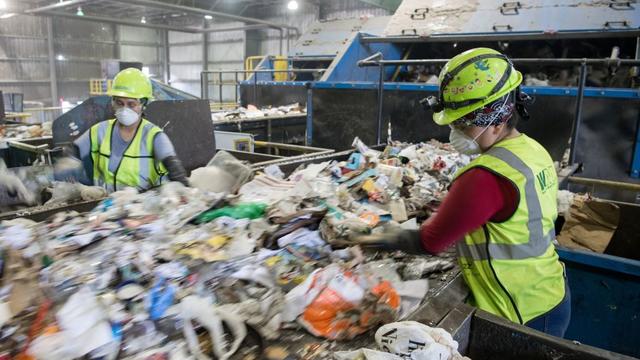
Greenpeace USA blasted industry claims of creating an efficient, circular economy as "fiction."

Under California law — specifically Proposition 65, enacted in 1986 — the maximum allowable dose level for BPA via skin exposure is 3 micrograms per day.