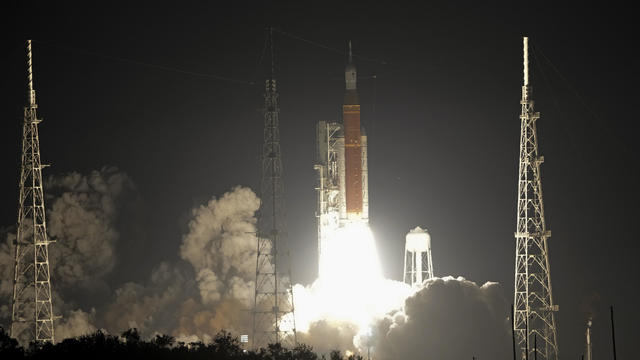
NASA launches Artemis rocket on a mission to the moon
After a series of delays, the 322-foot-tall Artemis moon rocket finally blasted off with an eruption of white-hot fire and an earth-shaking roar
Watch CBS News
After a series of delays, the 322-foot-tall Artemis moon rocket finally blasted off with an eruption of white-hot fire and an earth-shaking roar
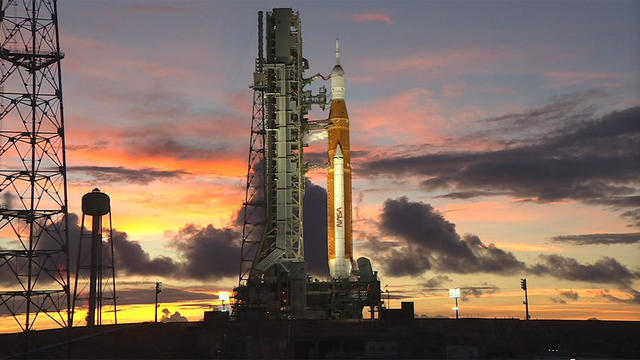
If all goes well, the SLS rocket will send an unpiloted Orion capsule on a nearly monthlong journey to circle the moon and return to Earth.
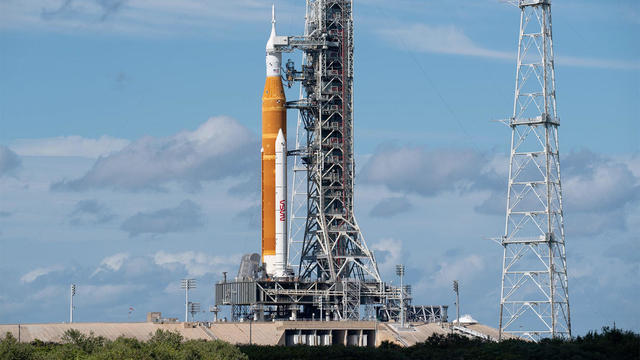
Engineers concluded hurricane-damaged insulation poses no credible threat to the $4.1 billion rocket.

The space shuttle exploded just 73 seconds after launching from Cape Canaveral in Jan. 1986.
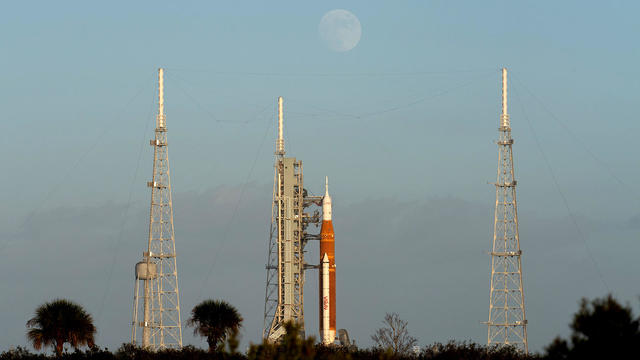
The SLS moon rocket will be exposed to the elements at its seaside launch pad, but NASA says it's tough enough to take it.
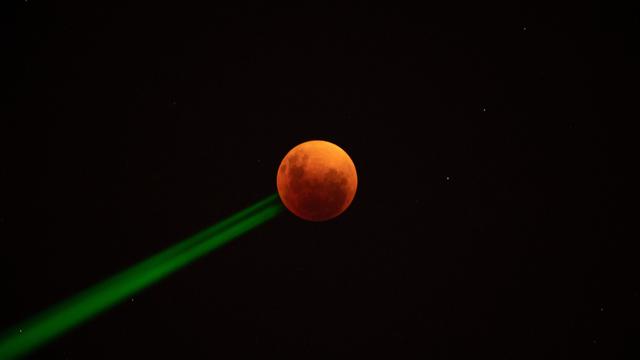
NASA said the eclipse will provide a little "celestial magic" during the so-called Beaver Moon.
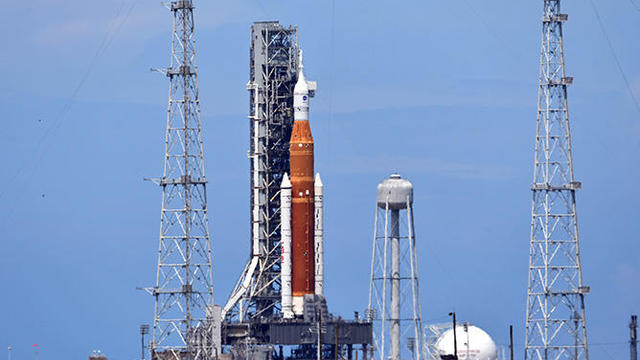
An overnight roll out to pad 39B sets the stage for launch Nov. 14 to kick off a long-delayed unpiloted test flight.
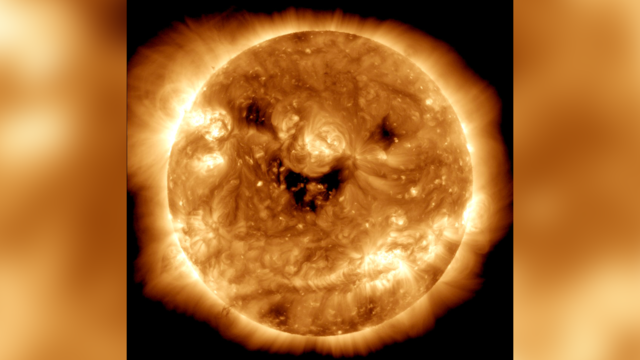
The sun appeared to be "smiling" down on Earth ahead of Halloween weekend. But what does it mean?
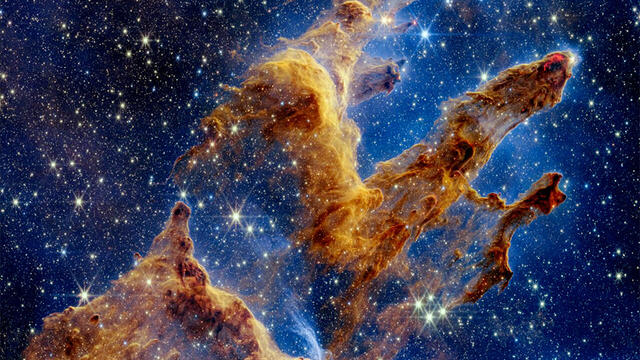
The $10 billion James Webb Space Telescope takes one of Hubble's most famous images to new heights.
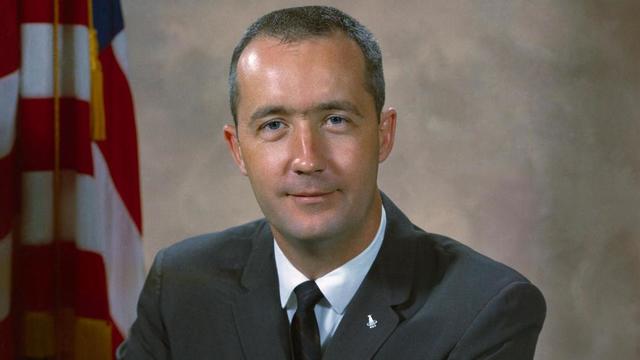
Former NASA astronaut James A. McDivitt, who commanded the Apollo 9 mission, died on Thursday, NASA said.
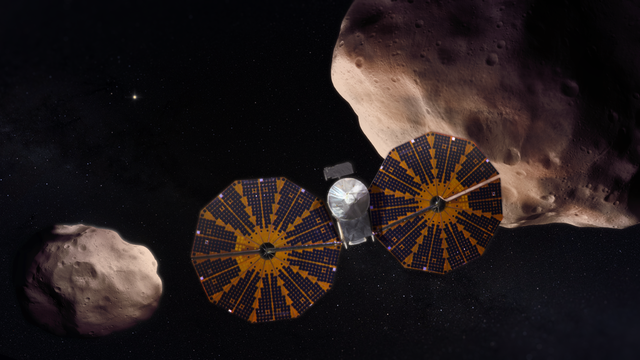
NASA's Lucy spacecraft will skirt Earth, coming within just a few hundred miles of us on its journey to the far-off Jupiter Trojan asteroids.
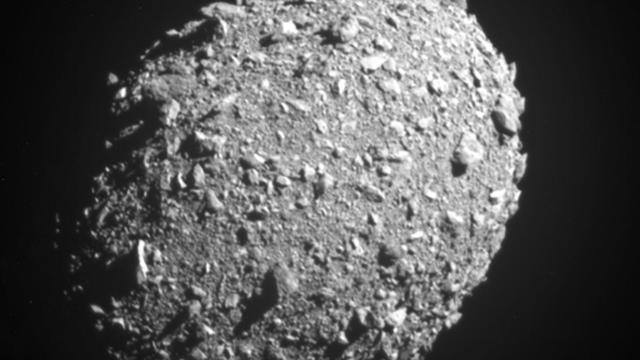
The Double Asteroid Redirection Test successfully changed the trajectory of the asteroid Dimorphos when the NASA spacecraft intentionally slammed into the space rock on September 26, according to the agency.

Tom Cruise's next mission is looking all the more possible — a studio executive says he's going to be "taking the world to space" in his upcoming film.
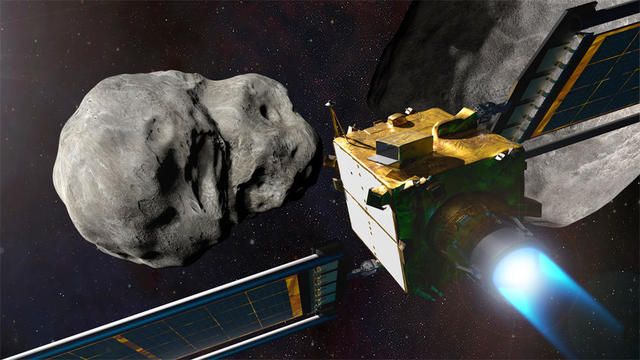
The 14,000-mph impact is designed to test whether a future threatening asteroid can be nudged off course.
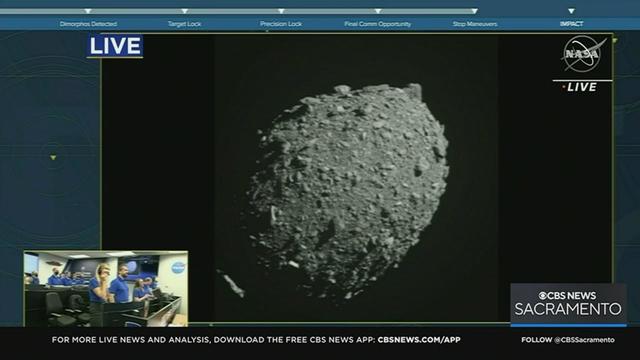
The goal of the mission was to send the asteroid off its path -- all in the name of planetary defense.
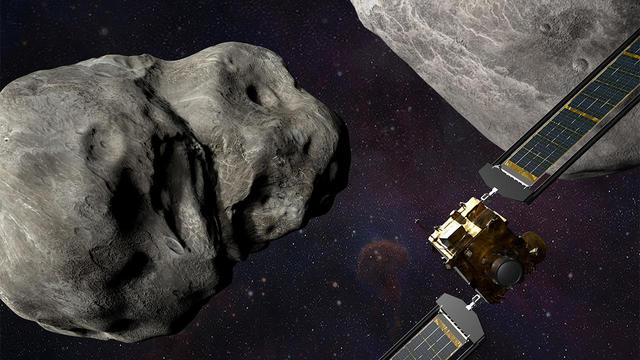
The DART spacecraft is set to purposely crash into an asteroid — a test for a potential real threat far in the future.
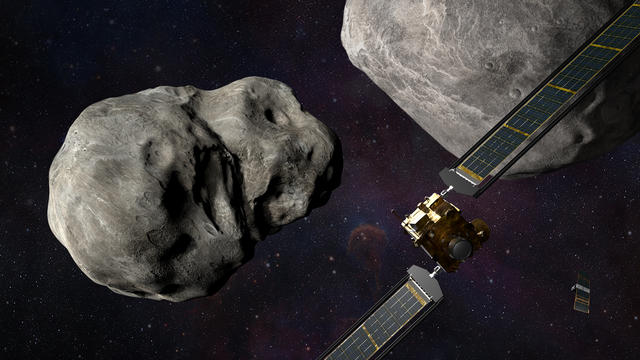
Monday will be a monumental day for the "history of humankind" as a high-speed spacecraft smashes into an asteroid at nearly 15,000 mph.
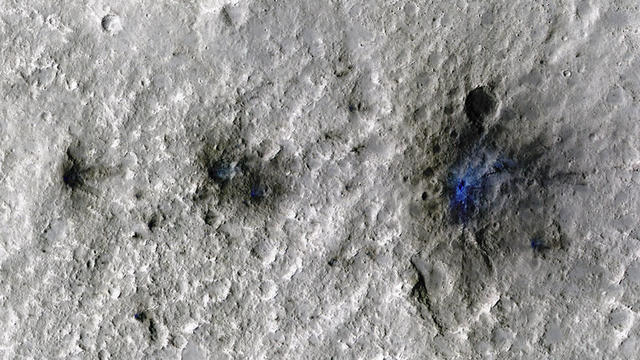
It turns out it's more of a "bloop" than a "boom."
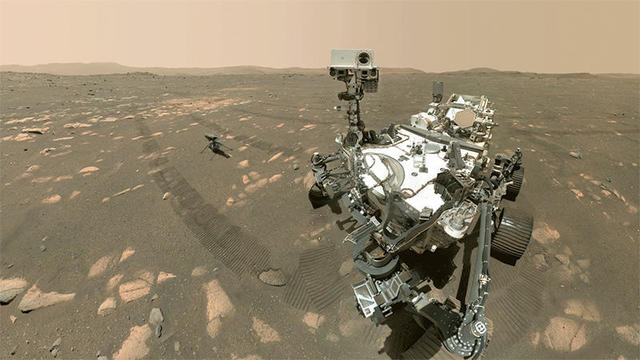
The rover is collecting samples rich in the raw materials of life, but laboratory analysis on Earth will be needed to draw conclusions.
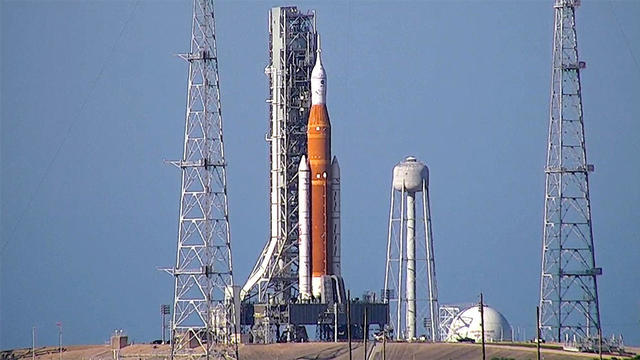
The Space Force Eastern Range is evaluating a waiver request from NASA to enable a third launch attempt by the end of the month.
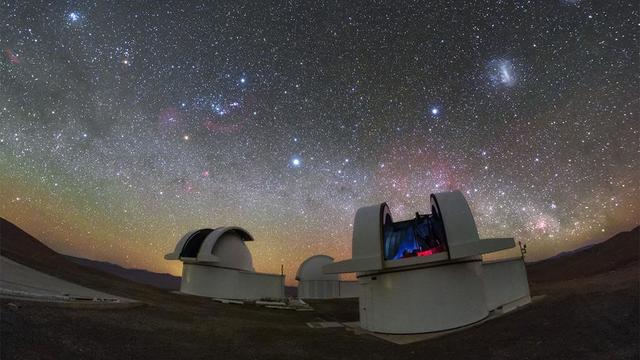
The "smallest and coolest stars in our solar neighborhood" could provide remarkable new information about the ability of a nearby exoplanet to sustain life.
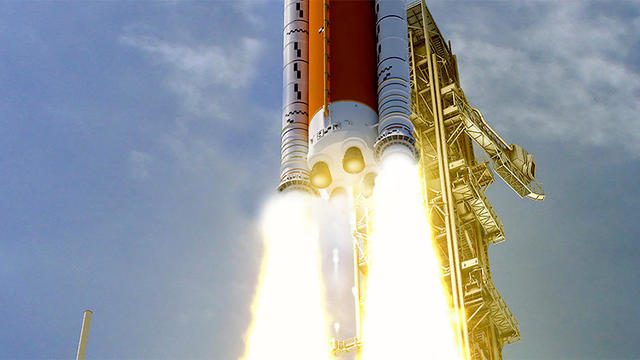
Engineers developed a work around to avoid a repeat of the engine cooling problem that derailed Monday's launch try.
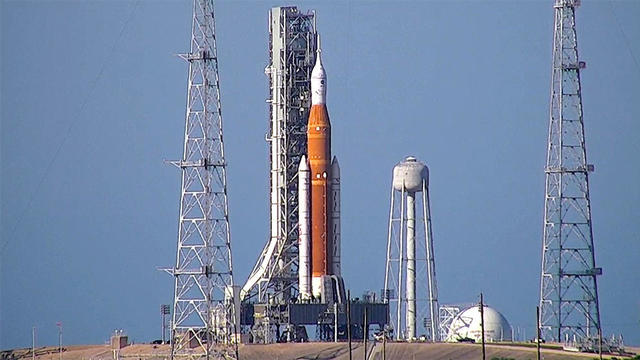
NASA managers will conduct a final review Thursday before giving engineers clearance to proceed with launch.
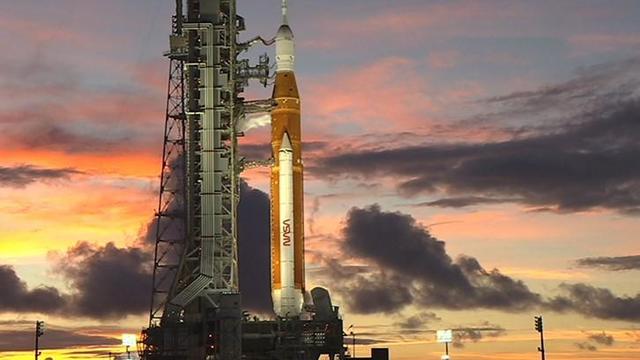
Trouble cooling one of the giant rocket's engines and a balky valve needed for troubleshooting triggered a launch scrub.
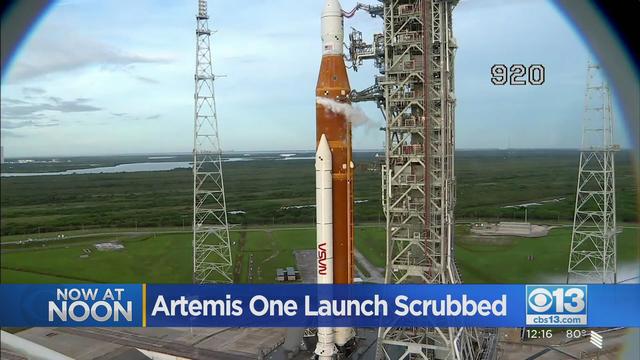
It was a "no go" for NASA's new moon rocket that was scheduled to blast off on Monday morning.